
If I could keep only one grain in my pantry, this would be it. Hard white wheat is the berry I reach for almost every day — it goes into my sandwich bread, my rolls, my bagels, even Saturday-morning cinnamon rolls. I buy my hard white wheat berries from Grand Teton Ancient Grains, mill them fresh at home, and the flour that comes out is light, golden, and sweet-smelling — nothing like the heavy, bitter whole wheat flour I grew up thinking all whole grain had to taste like.
If you’re new to milling your own flour, hard white wheat is the friendliest place to start. Let me introduce you to it properly.
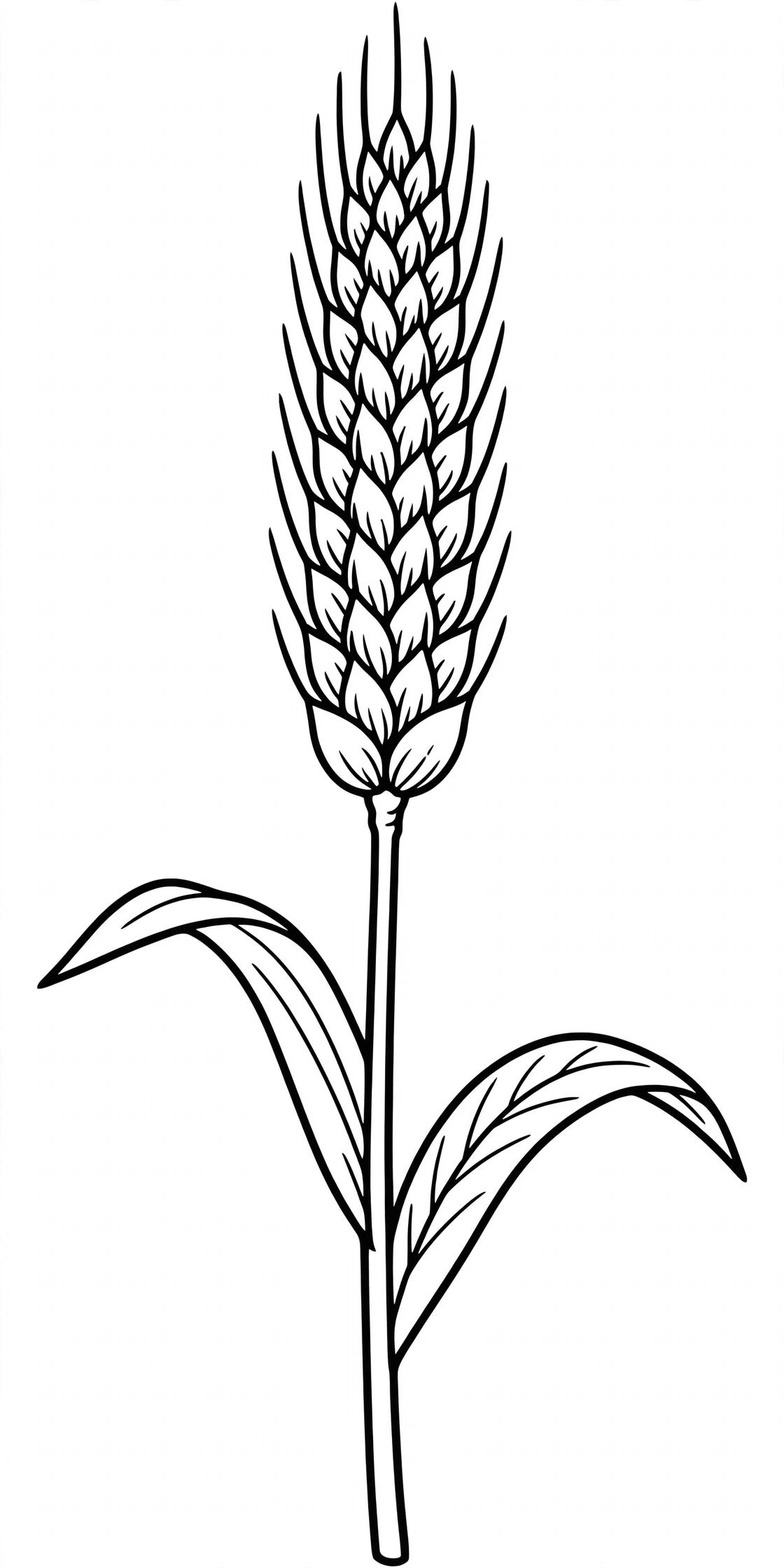
What Is Hard White Wheat?
Hard white wheat is one of the six classes of wheat grown in the United States, and it’s the youngest of the family — it was only recognized as its own wheat class in 1990.
Two words in its name tell you almost everything:
- “Hard” describes the kernel’s protein. Hard wheats are higher in protein, and protein is what builds gluten — the stretchy net that traps air and makes bread rise. Hard white wheat typically runs about 11–14% protein, so its flour has the strength for yeast breads, bagels, and pizza dough.
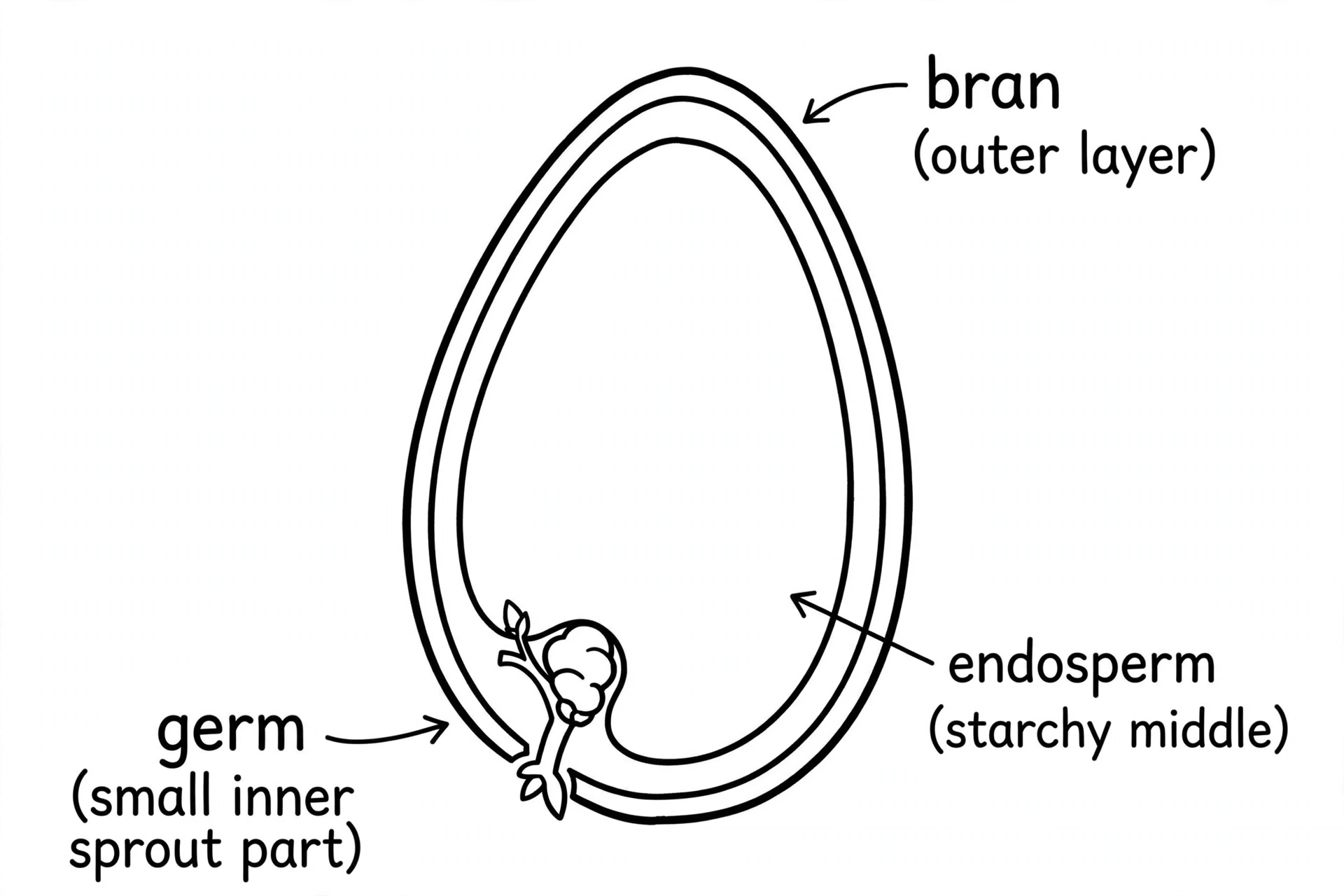
- “White” describes the color of the bran — the outer coat of the berry. Instead of the reddish-brown bran of regular whole wheat, hard white wheat’s bran is a pale, sandy gold. That pale bran is the whole secret of this grain, and I’ll come back to it in a minute.
Like other wheats, it comes in winter types (planted in the fall, sleeping under the snow, harvested in early summer) and spring types (planted in spring, harvested in late summer). Both mill and bake beautifully.
Where Does Hard White Wheat Grow?
Hard white wheat loves the dry, sunny country of the American West and Plains. It’s grown in Kansas, Nebraska, and Colorado and across the Southern Plains, and also in Idaho, Montana, the Pacific Northwest (Washington and Oregon), and California.
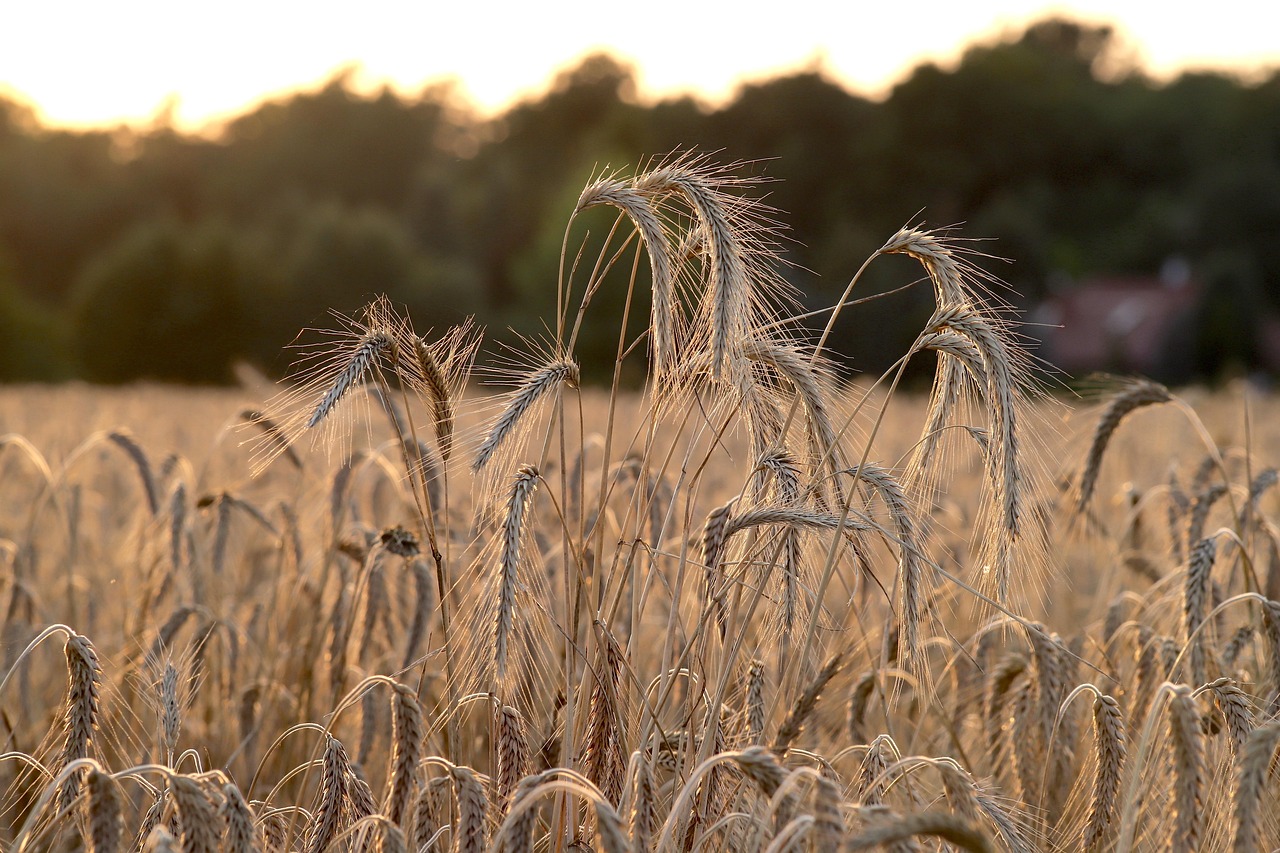
It’s still one of the smallest wheat classes in the country — a specialty grain rather than a commodity giant — which is part of why home millers like me tend to know it by name while many supermarket shoppers have never heard of it. Breeders developed it because bakers wanted the full nutrition of whole wheat with a lighter color and a milder flavor, and farmers in those dry western states answered.
The Nutrition: Small Berry, Big Payload
Here’s what I love most: when you mill hard white wheat at home, nothing is removed. The whole berry — bran, germ, and endosperm — goes into your flour, so you keep everything the grain grew with.
Per 100 grams of whole hard white wheat berries (about ½ cup plus a spoonful), USDA figures give roughly:
- 342 calories
- 11–12 g protein
- 12 g fiber — that’s about half of what most of us need in a day, from one ingredient
- 1.7 g fat (the good natural oils live in the germ)
- Iron (about 4.6 mg), potassium (432 mg), magnesium, phosphorus, zinc, and manganese
- B vitamins — thiamin, niacin, B6, and folate, concentrated in the bran and germ
In kitchen terms: a quarter cup of dry berries (43 g) gives you about 140 calories, 6 grams of protein, and 6 grams of fiber. That fiber is why a slice of freshly milled bread keeps you full in a way a slice of white sandwich bread just doesn’t.
What Is Hard White Wheat Best For?
Because of that mild flavor and strong gluten, hard white wheat is the most versatile grain in my kitchen:
- Sandwich bread — soft, tall, golden loaves that slice beautifully
- Rolls and hamburger buns — tender, with just a gentle wheat taste
- Bagels and pizza dough — enough protein for a good chew
- Tortillas and flatbreads — a classic use for this grain
- Cinnamon rolls and sweet breads — its natural sweetness shines here
- Noodles — much of the world’s noodle wheat is white wheat for exactly this mildness
It’s also my favorite grain for blending. Half hard white, half Kamut gives you buttery flavor with great structure. Half hard white, half hard red gives you hearty flavor without heaviness.
And here’s my honest favorite thing about it: it’s the gateway grain. If someone in your family thinks they don’t like whole wheat, bake them a loaf with hard white wheat. The bread is 100% whole grain, but it looks and tastes closer to the bread they’re used to. It wins people over quietly.
Hard White vs. Hard Red Wheat
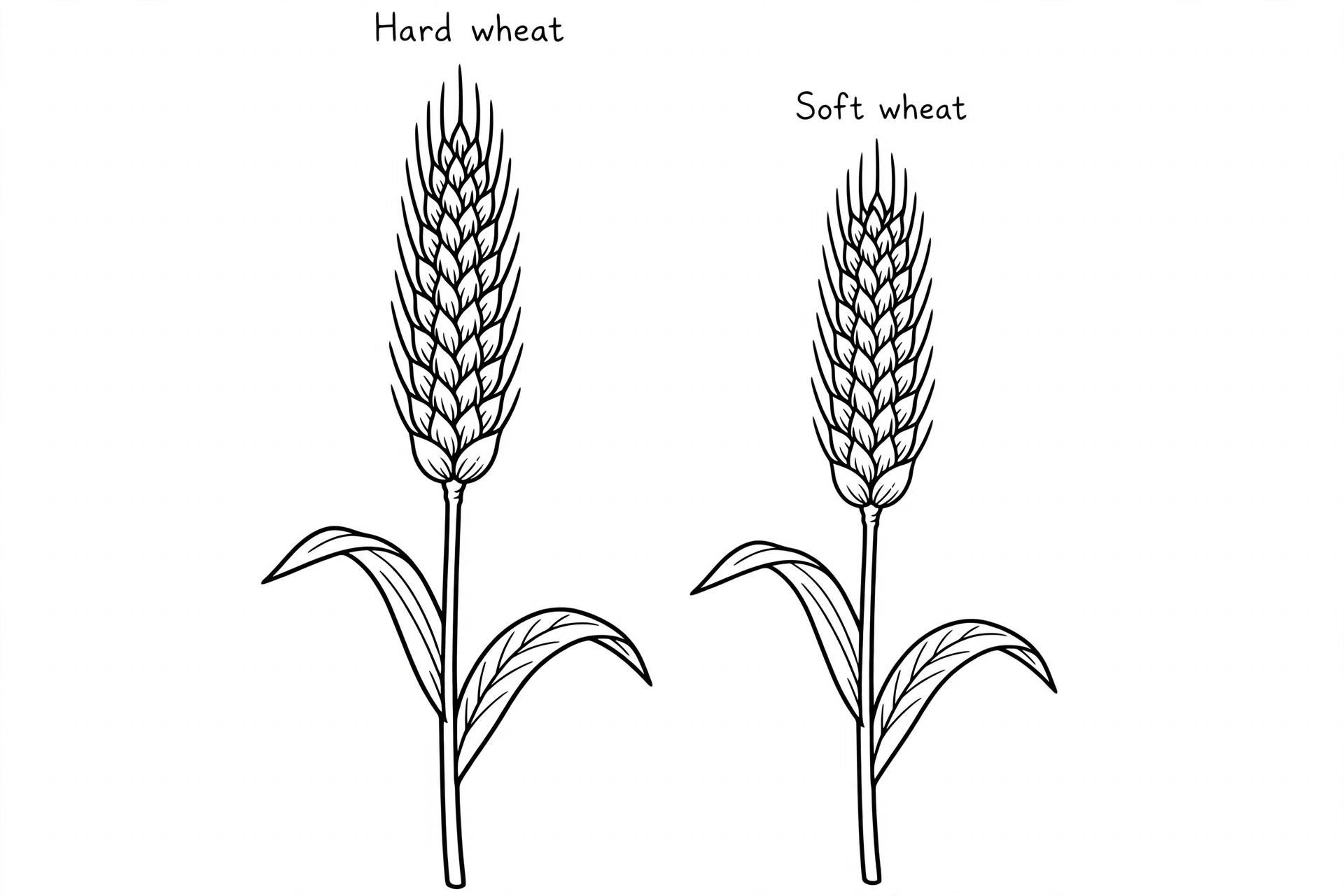
These two are cousins — same wheat family, similar protein (hard red averages about 12.5%, hard white about 12%), both wonderful for bread. The difference is almost entirely in the bran:
- Hard red wheat has reddish bran full of pigments and phenolic compounds. That gives it its classic look and a robust, nutty, slightly bitter “wheaty” flavor. Breads bake up darker and heartier.
- Hard white wheat has pale bran with far fewer of those bitter compounds. The flavor is mild, clean, and a little sweet, and the crumb stays light gold.
Neither one is “better” — they’re different tools. I reach for hard red when I want a bold, rustic loaf, and hard white for everyday sandwich bread, buns, and anything for kids or picky eaters. If you’re buying your very first bag of wheat berries, start with hard white. You can explore from there.
My Recipes That Use Hard White Wheat
Ready to taste it? These are the recipes on my blog where hard white wheat does the heavy lifting:
- Freshly Milled Flour Bread (Zojirushi Bread Machine Recipe) — my easy bread-machine loaf, a blend of Kamut and hard white wheat. The mill and the machine do the work!
- Homemade Yeast Bread with Freshly Milled Flour — my classic oven loaf, built on freshly milled hard white wheat flour.
- Hamburger Buns with Freshly Milled Flour — soft, fluffy buns in about 40 minutes, made with hard white wheat berries.
- Easy Cottage Cheese Bagels with Freshly Milled Flour — quick no-boil bagels; I mill about 1⅓–1½ cups of hard white wheat berries for the flour.
Hard White Wheat FAQ
Is hard white wheat whole grain?
Yes — completely. “White” is just the bran’s color, not a sign of refining. Milled whole, it’s 100% whole grain, which is very different from white flour (that’s refined flour with the bran and germ removed).
Is hard white wheat gluten-free?
No. It’s wheat, with strong gluten — that’s exactly why it makes such good bread. It is not suitable for anyone with celiac disease or a wheat allergy.
Can I swap hard white wheat for hard red wheat in a recipe?
Almost always, yes, cup for cup. Expect a lighter color and milder flavor, and the dough may drink up water just a touch differently, so add your flour gradually like I always suggest with freshly milled flour.
Fresh vs Store -Bought Flour?
You can — look for “white whole wheat flour” in stores. That’s this same wheat, commercially milled, with the bran and germ still in. But here is what most people don’t realize, and it is the whole reason I mill at home: the moment a wheat berry is milled, oxidation begins.
The germ’s natural oils are exposed to air, and the vitamins and antioxidants they carry — especially vitamin E — start breaking down, while the flour slowly loses flavor and can turn rancid. Store-bought flour was milled weeks, often months, before you ever bake with it. In a University of Copenhagen study published in Cereal Chemistry, whole wheat flour had lost about 32% of its vitamin E after long storage.
Whole berries, by contrast, keep their nutrition safely locked inside until the day you mill them. So milling at home is not about being fancy — it is how you preserve the nutritional value the grain started with. Try the berries freshly milled at home once. The aroma alone will tell you why I do it this way.
Do I need a grain mill to use it?
For freshly milled flour, yes — a home grain mill is the tool. It’s the one appliance that changed my baking the most. You can find the mill I recommend here: NutriMill Harvest Stone Grain Mill on Amazon.
As an Amazon Associate I earn from qualifying purchases.
Keep Learning With Me
If this world of grains is new to you and you’d love someone to walk you through it step by step — choosing grains, milling, and baking your first loaves — that’s exactly why I made my Freshly Milled Flour Basics mini-course. It’s everything I wish someone had told me at the beginning, in short, friendly lessons.
And a little secret about the drawings in this post: they’re coloring pages from my book The Bread of Life — 80 grain, harvest, and baking illustrations with uplifting quotes. Print a page, pour some tea, and color while your dough rises. That’s my kind of multitasking.
Tell me in the comments: have you ever baked with hard white wheat — or would this be your first berry? And come back tomorrow, because we’re doing this all week: next up is hard white wheat’s bolder cousin, hard red wheat.
Happy baking, friends! 🌾
Leave a Reply