
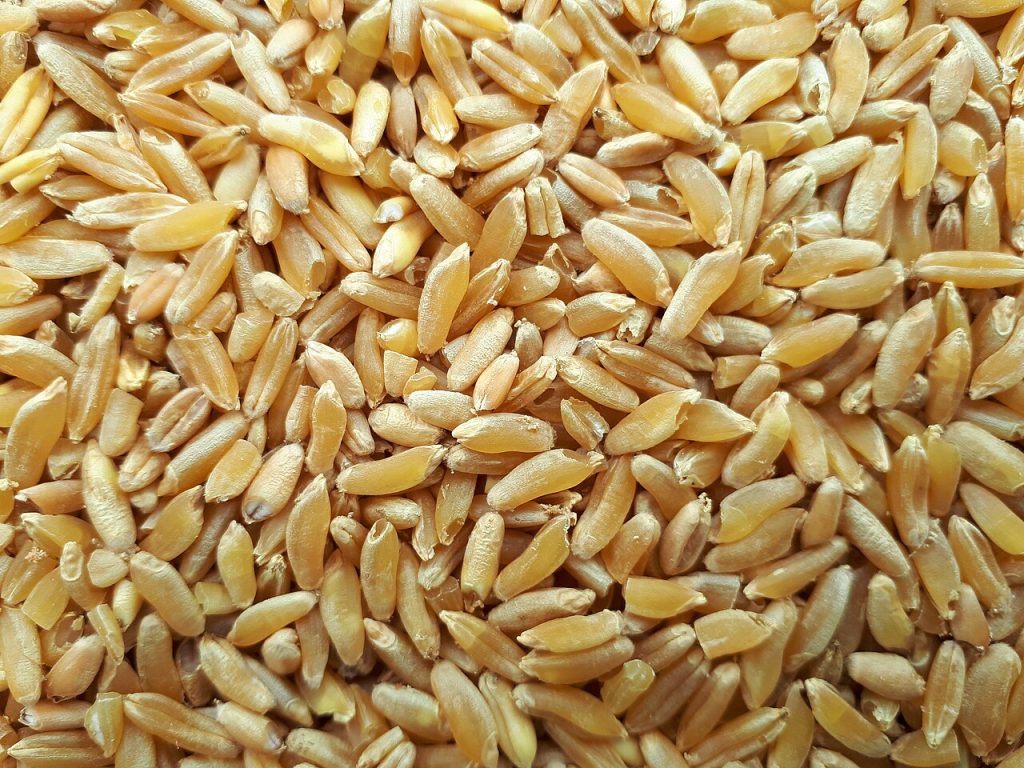
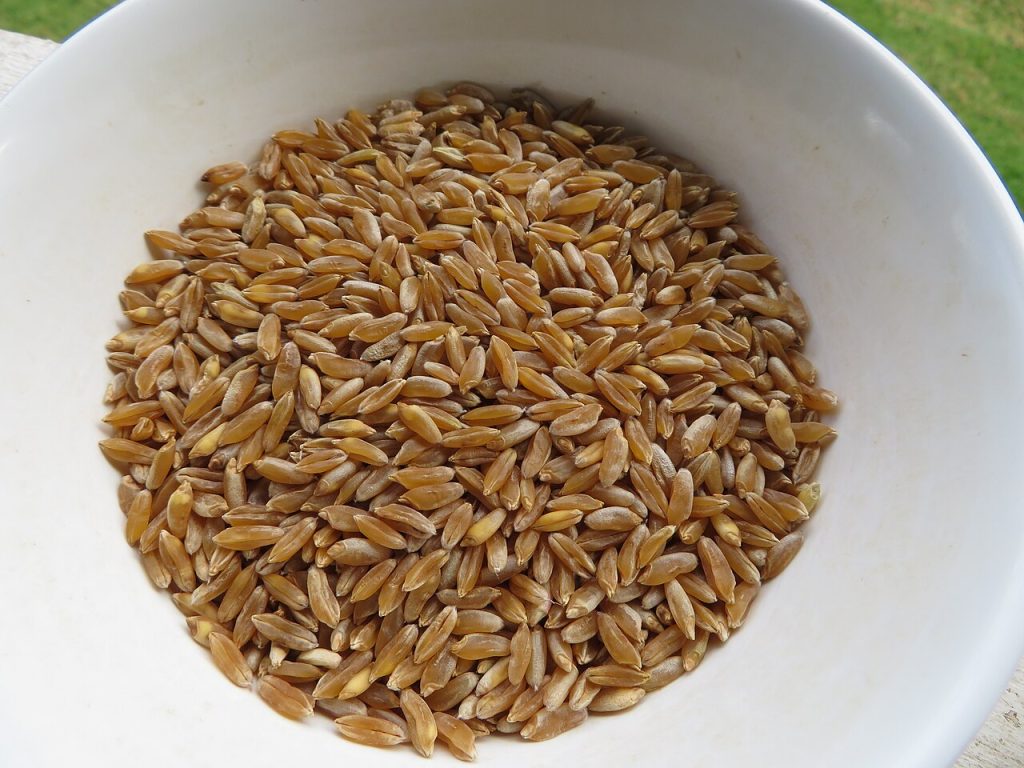
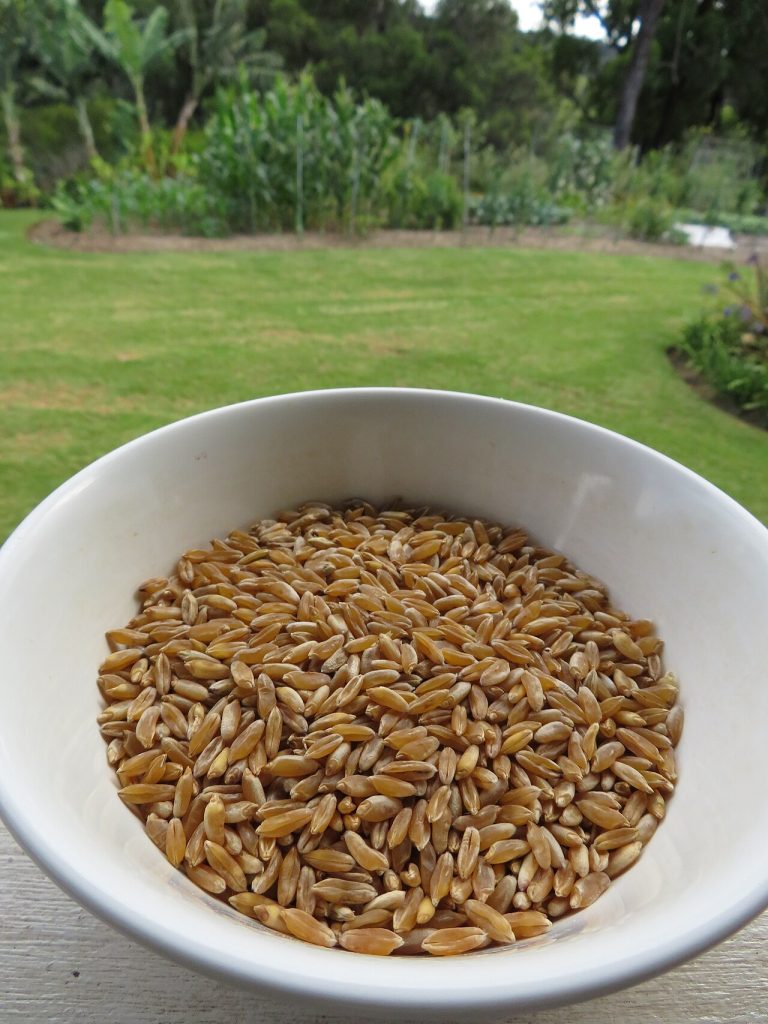
The first time I held Kamut berries in my hand, I laughed a little. After weeks of milling regular wheat, these looked like wheat berries that had been to the gym — long, golden, almost twice the size of the wheat berries I was used to.
Then I baked with them, and I stopped laughing and started paying attention. Kamut gives bread a rich, buttery, slightly sweet flavor that no other grain in my pantry quite matches. Kamut is a grain that gives flavor. Let me introduce you to it properly.
What is Kamut, exactly?
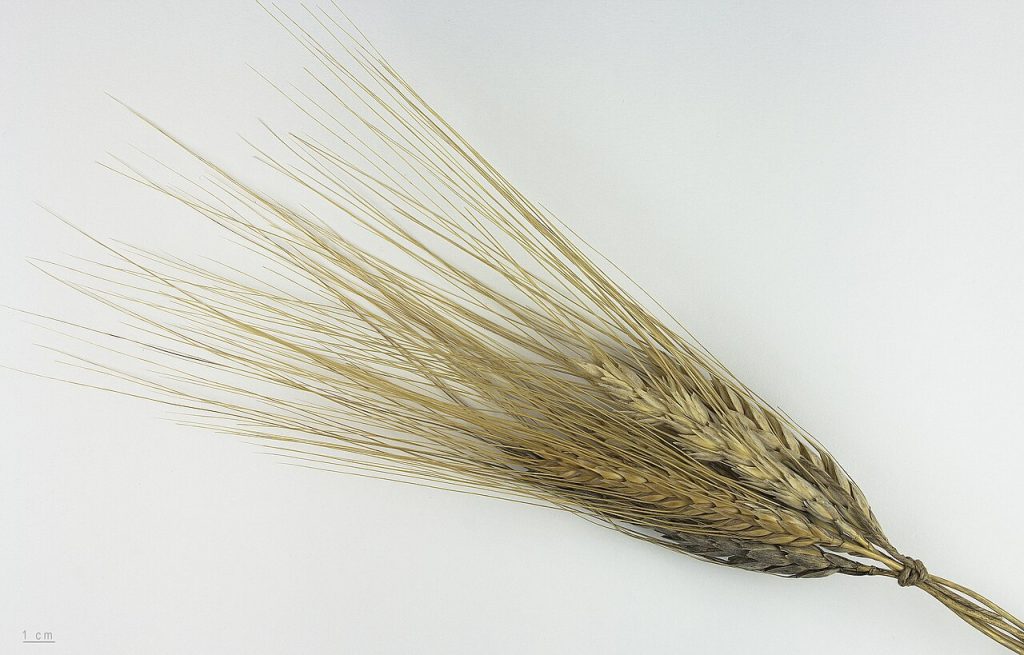
Kamut is an ancient kind of wheat — a relative of durum wheat, the pasta wheat. Its real, older name is Khorasan wheat (Triticum turgidum ssp. turanicum), after the Khorasan region of the Fertile Crescent, in what is now Iran, Iraq, and Turkey, where this grain has been grown for thousands of years.
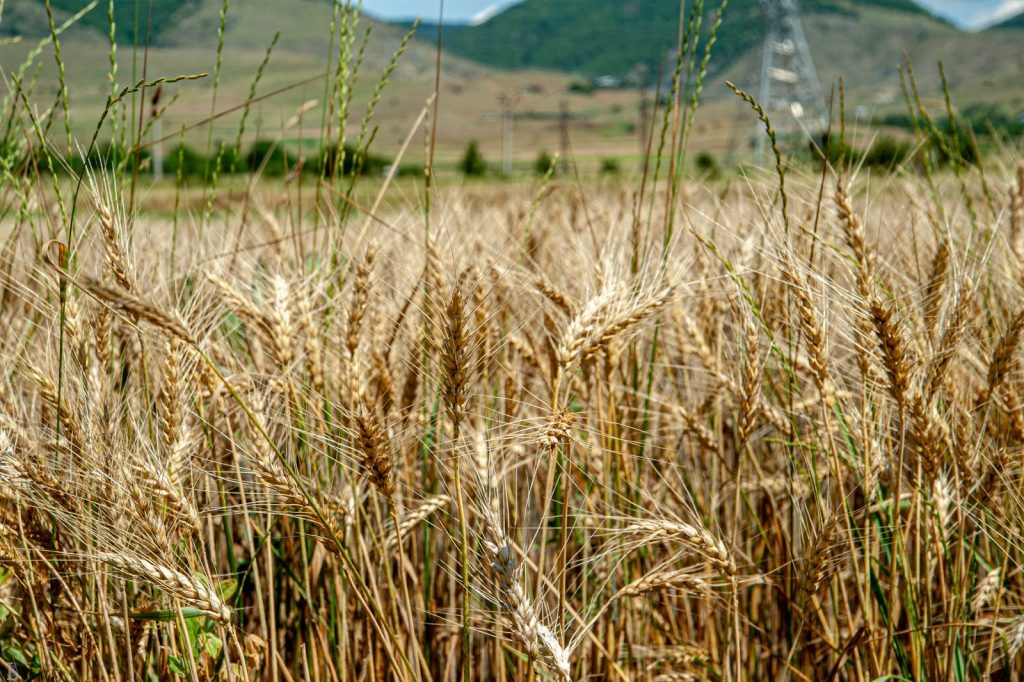
Unlike the wheats in my earlier posts, Kamut is not one of the six modern wheat classes. It is an heirloom grain that was never crossed and bred the way modern wheat was — and that is exactly why people get excited about it. What you mill today is, as far as anyone can tell, the same grain families were milling long before bread came in a plastic bag.
You may hear a story that its seeds were found in an Egyptian tomb and brought back to life. It is a fun story — even the Kamut company tells it as a legend — but treat it as a legend, not history.
Wait — is “Kamut” the grain’s name, or a brand?
Both, and this part confuses everyone, so let’s clear it up. KAMUT® is a registered trademark — a brand name created in 1990 for Khorasan wheat that meets strict standards. Grain sold under the Kamut name is guaranteed to be the original, unmodified Khorasan variety, and it is always grown organically. The family company behind it, Kamut International, is based in Montana.
So: all Kamut is Khorasan wheat, but Khorasan wheat sold under another name isn’t held to the Kamut brand’s rules. When you see “Kamut” on a bag, you’re buying the trademarked, certified-organic version of this ancient grain. Today it is grown commercially mainly in Montana and the Canadian prairies, where the dry climate suits it.
What does Kamut taste like?
Buttery. That’s the word everyone lands on, and it’s true. Kamut flour is naturally a little sweet, rich, and smooth, without the slight bitterness that red wheat bran can bring. Bakers describe it as nutty and golden, and bread made with it comes out a warm, sunny color.
King Arthur Baking says Kamut flour lends a light, tender effect to both quick breads and yeast breads — and that’s been my experience too. It doesn’t taste “health-food hearty.” It tastes like someone buttered your bread before you did.
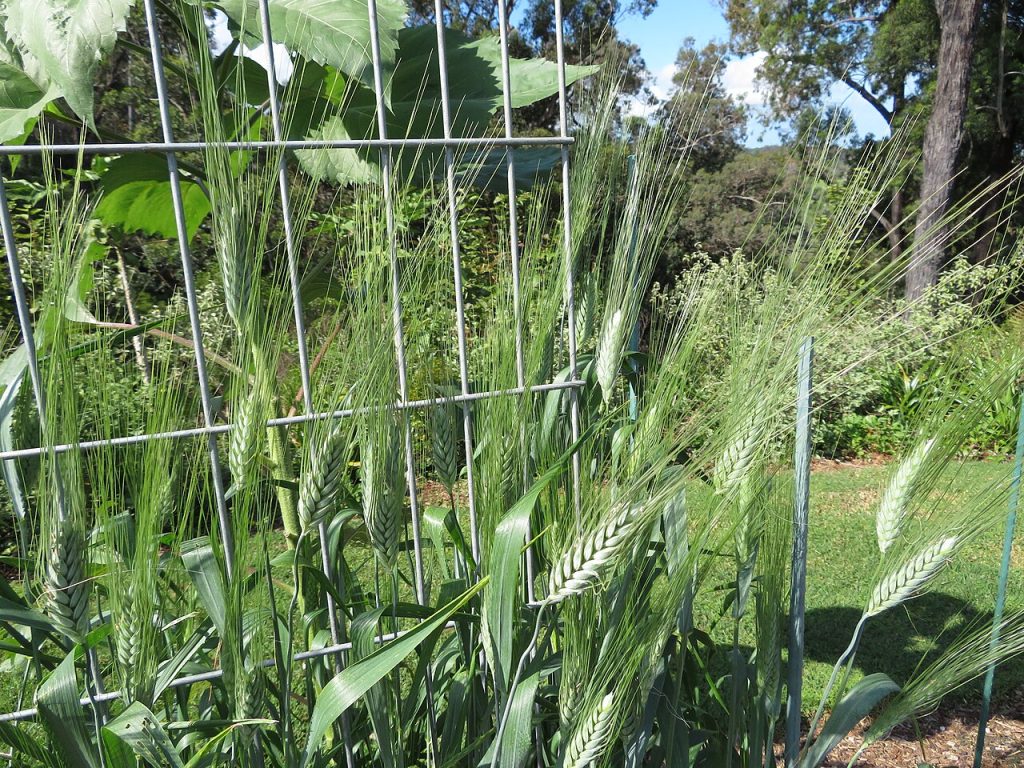
Kamut nutrition: why it’s a powerhouse
Ancient doesn’t automatically mean better — but in Kamut’s case, the numbers are genuinely impressive. Per 100 grams of uncooked Kamut (Khorasan) wheat, you get roughly:
- 337 calories
- 14.7 g protein — noticeably more than modern bread wheat, which is why you’ll often see it described as having up to 40% more protein than common wheat
- 70 g carbohydrates
- About 9–11 g fiber
- Very little fat (about 2 g)
- Real amounts of selenium, zinc, magnesium, iron, and B vitamins (niacin and thiamine)
Kamut does contain gluten. It is wheat. Some people who feel sensitive to modern wheat say they tolerate Kamut more easily, and researchers are curious about why — but it is not safe for anyone with celiac disease or a wheat allergy.
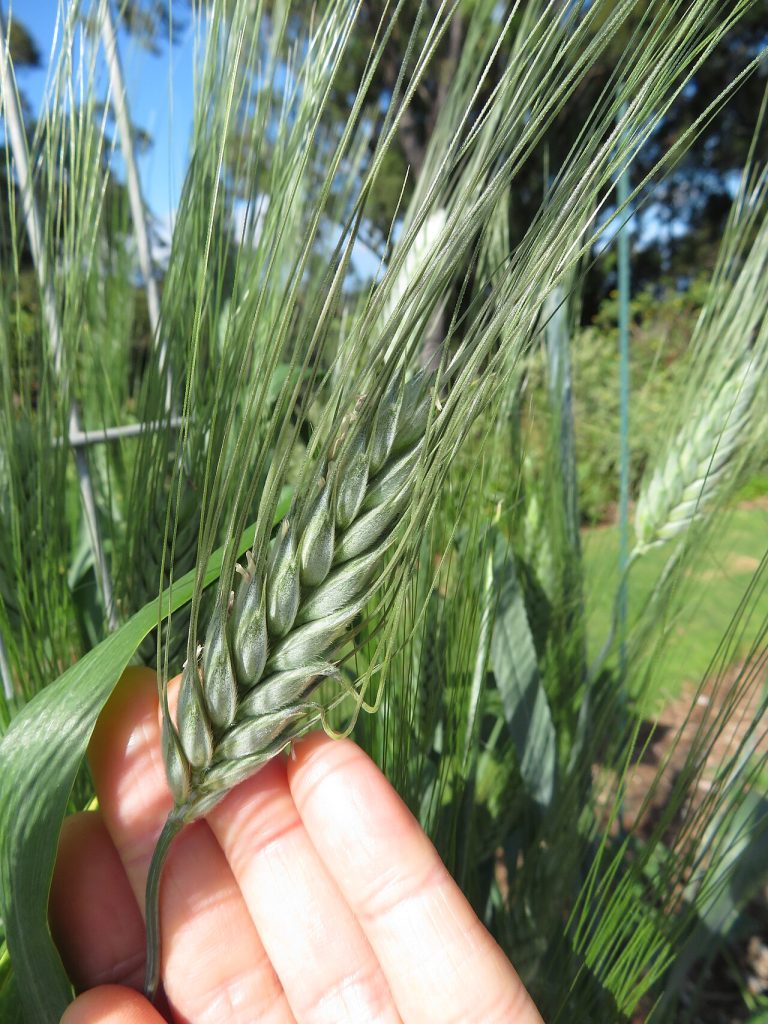
How Kamut behaves in dough
Kamut’s protein is high, but its gluten behaves differently from bread wheat’s. Kamut gluten is stretchy more than it is strong — the dough extends and relaxes instead of snapping back and holding a tight shape.
What that means in a real kitchen:
- Pan loaves love Kamut. It rises beautifully in a loaf pan, where the pan does the shape-holding.
- Free-standing loaves can spread. A free-standing loaf made with only Kamut can spread out instead of holding its shape. It still tastes wonderful.
- Blending is Kamut’s superpower. For bread, a blend of Kamut — about one third — and hard white wheat is a great combination. The Kamut brings the buttery flavor, and the hard white gives the loaf its structure.
- Watch the rise. Kamut dough can go from nicely risen to over-proofed faster than you’re used to. Check it a little earlier than the recipe says.
- Give it the rest. Like all freshly milled flour, let the mixed dough rest 20–30 minutes, then adjust — a little more flour if it’s too wet, a little more water if it’s too dry. Judge it after the rest, not in the first minute.
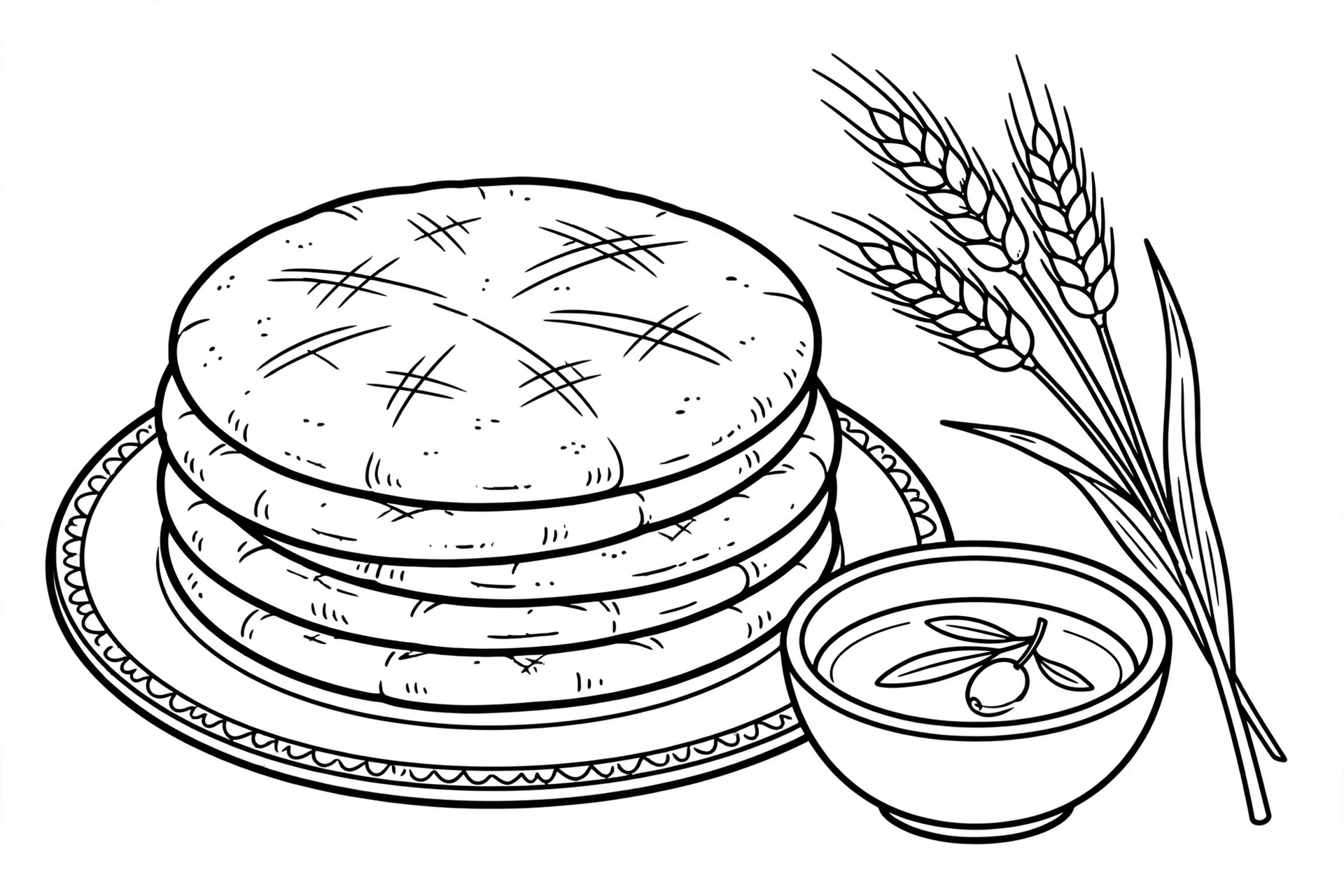
Try Kamut in this bake
Kamut is also lovely milled into pancakes, muffins, and flatbreads — that stretchy dough is a gift for anything rolled or patted flat — and the whole cooked berries are chewy and delicious in salads and soups, almost like a wheat version of farro.
Kamut vs. hard white wheat, in one breath
Hard white is an everyday grain: mild, dependable, strong enough for any bread. Kamut is a grain that gives flavor: bigger berries, more protein, buttery-sweet taste, gentler gluten. Hard white holds the shape; Kamut brings the richness. Together — about one third Kamut, the rest hard white — they make a great combination.
Use it fresh. Same rule as every grain in this series: mill what you need, when you need it. Those big berries store beautifully whole; the flour is at its best the day it’s ground.
Baking with freshly milled flour?
If you’d love to go deeper, I have my Freshly Milled Flour Basics mini-course — 8 lessons where I cover the basics, step by step: how to choose a mill, where to buy berries, getting to know the grains, the difference between hard and soft wheat, and which grain to use for which baking, how hydration differs between store-bought flour and freshly milled flour, and a step-by-step video guide to making waffles.
👉 Kamut (Khorasan) wheat berries — https://www.amazon.com/dp/B0GRJRRDM7?tag=tastyhomema0e-20
Zojirushi Virtuoso Plus bread maker — https://www.amazon.com/dp/B07BQ28TQ6?tag=tastyhomema0e-20
👉 NutriMill Harvest grain mill — https://www.amazon.com/dp/B00OGIXL6M?tag=tastyhomema0e-20
NutriMill Artiste mixer — https://www.amazon.com/dp/B077GDYGRJ?tag=tastyhomema0e-20
As an Amazon Associate I earn from qualifying purchases.
Frequently asked questions
Is Kamut gluten-free?
No. Kamut is wheat and contains gluten. Some people with mild sensitivity to modern wheat report tolerating it better, but it is not safe for celiac disease or wheat allergy.
Is Kamut the same as Khorasan wheat?
Yes — Khorasan is the grain’s name; Kamut is the registered trademark for Khorasan wheat grown to strict standards and always certified organic.
Why are Kamut berries so much bigger than wheat berries?
Because that’s simply how this ancient variety grows — the kernels are roughly twice the size of modern wheat berries, long and golden. Big berries, same bran-germ-endosperm structure inside.
Can I bake a 100% Kamut loaf?
Yes, especially in a loaf pan. Just know its gluten stretches more than it holds, so free-form loaves may spread, and watch the proof — it can over-rise quickly. For a first try, a blend of about one third Kamut with hard white is the forgiving place to start.
Where do I buy Kamut berries?
Look wherever you buy wheat berries for milling — grain suppliers, co-ops, and health-food stores carry Kamut brand Khorasan wheat berries, in bags big and small. Two places to find them: Grand Teton Ancient Grains and Clear Creek Khorasan wheat berries on Amazon. Start with a small bag, mill a test loaf, and taste before you stock up.
Do Kamut berries mill like regular wheat?
Yes — same mill, same settings you use for hard wheat. The berries are bigger, so a full hopper mills a touch faster, but nothing about your routine changes.
Tell me in the comments: have you ever baked with Kamut — or would you try the Kamut and hard white blend first?
Happy baking! 🌾
Leave a Reply