
“A land of wheat, and barley, and vines, and fig trees, and pomegranates; a land of oil olive, and honey.” — Deuteronomy 8:8
Some of the grains in this series get called ancient grains — einkorn, spelt, Kamut. Barley belongs in that company, near the very front of the line. It is one of the first grains people ever learned to farm, and it fed the world for thousands of years before wheat took the spotlight.
Barley never really left. It stayed in our soups and stews, quiet and familiar. But the whole berry can also be milled at home, just like the wheats in this series, and its flour is mild, a little sweet, and gently nutty. Let me introduce you to it properly — starting with where it has been.
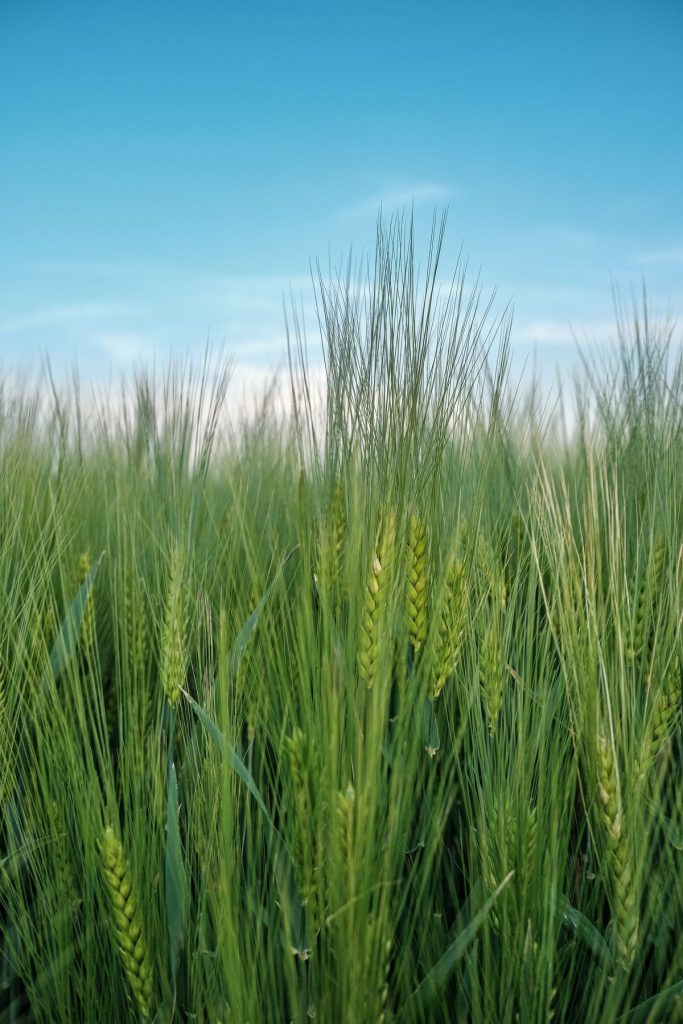
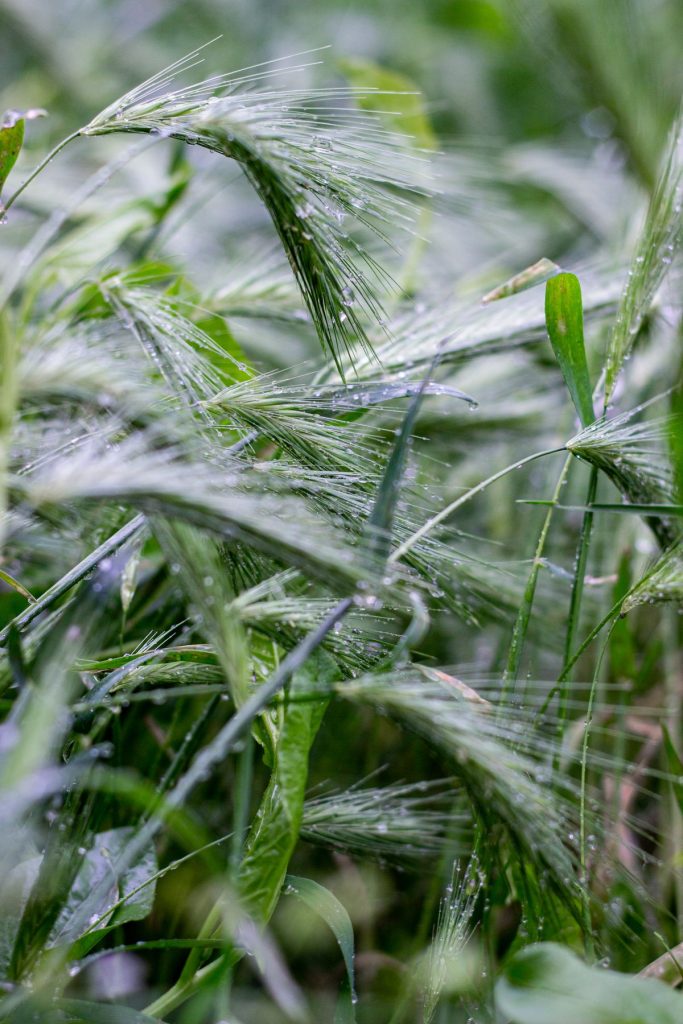

Photos: Orhan Badur, Natalia Sevruk, and Valentina Bondarenko, via Pexels
What is barley, exactly?
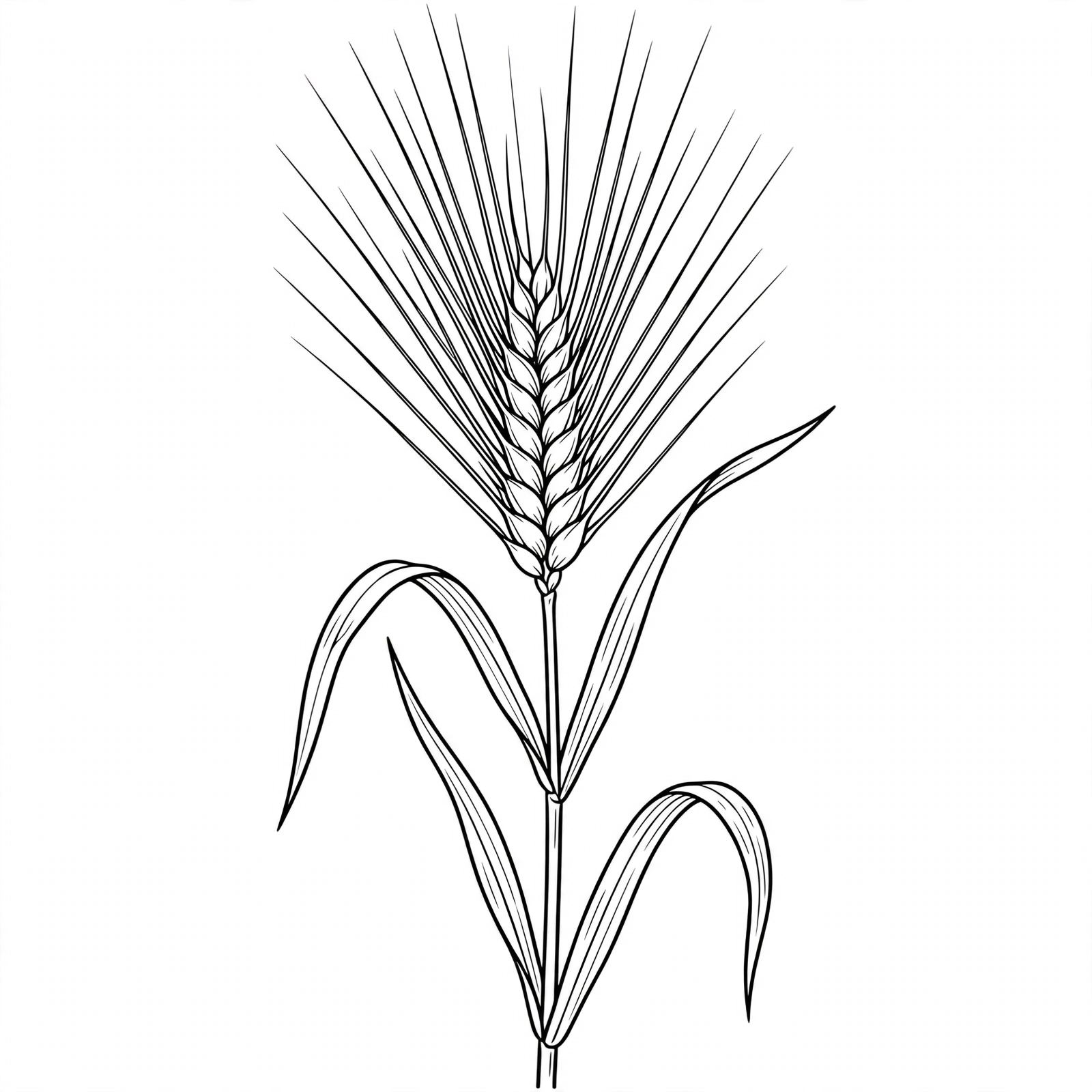
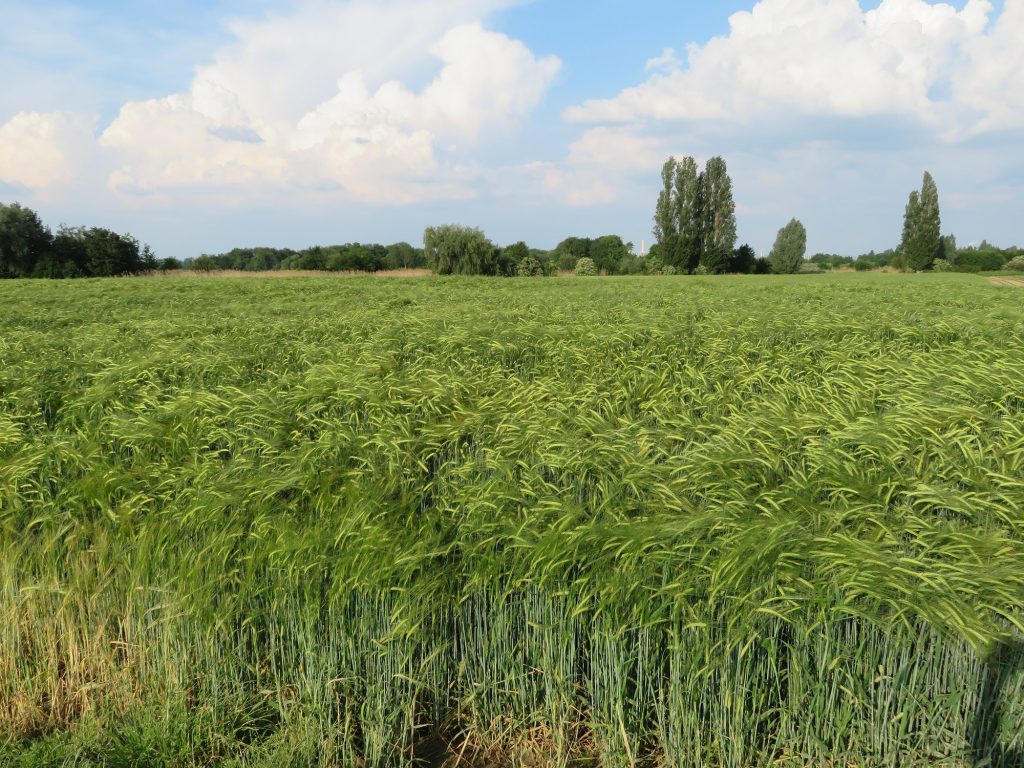
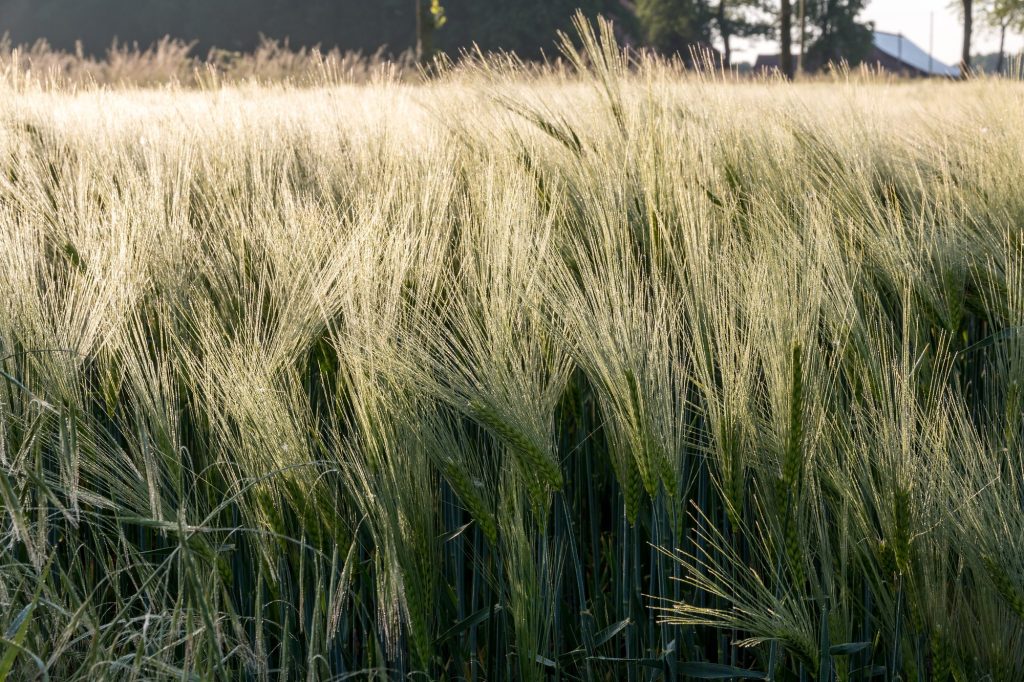
Barley (Hordeum vulgare) is a cereal grain in the same grass family as wheat and rye, and a close relative of both. The berries are oval and plump, golden-brown, with a crease running down one side. A ripe barley head is easy to spot in a field: it carries some of the longest awns — the bristly whiskers — of any grain.

Today, most of the world’s barley goes to animal feed and to brewing, and the barley most of us meet is the pearled kind, stirred into soup. But barley is a baking grain too. Milled fresh, it makes a soft flour with a mild flavor all its own — and a history longer than almost anything else in the pantry.
A grain with a very long history
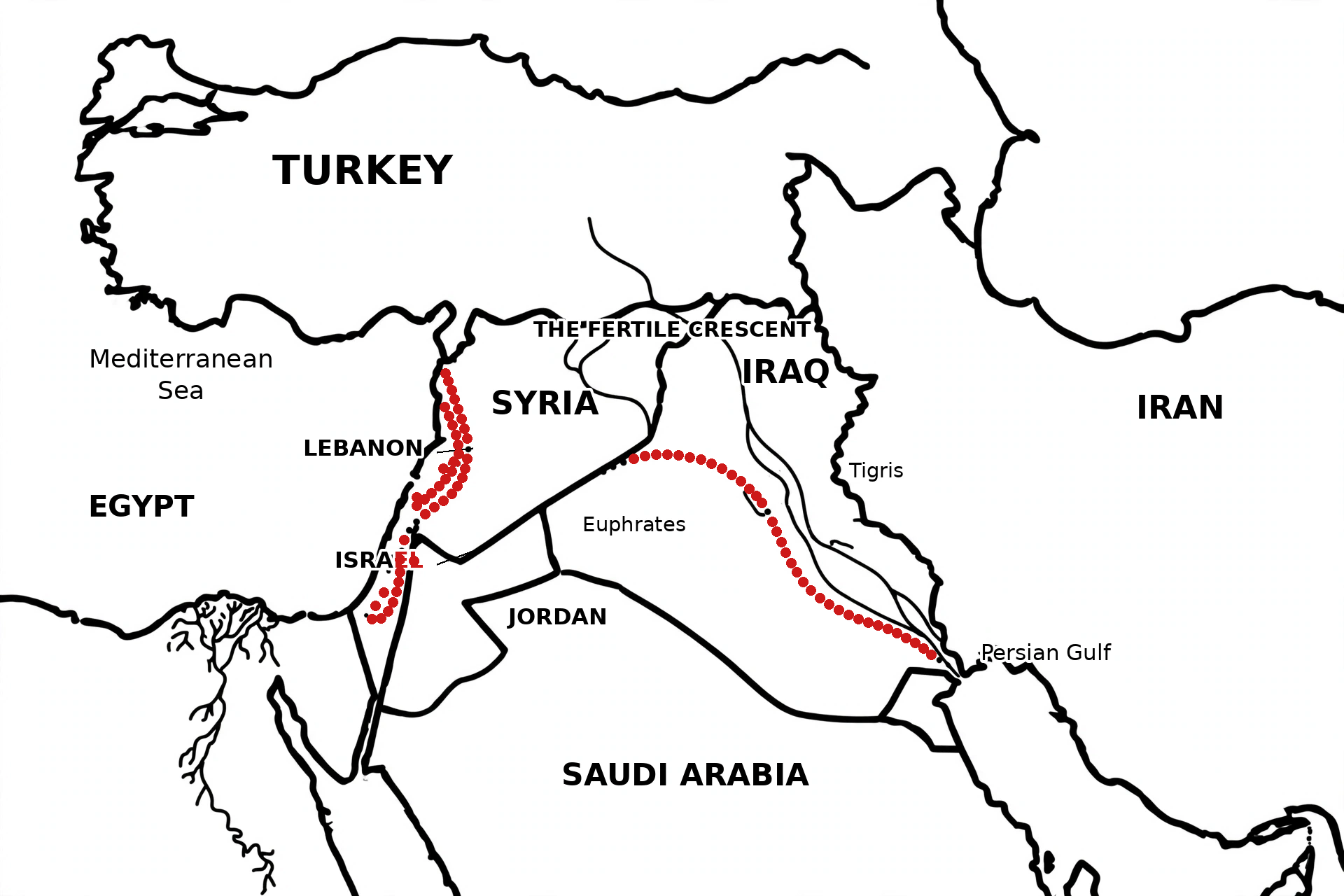
Barley was farmed in the Fertile Crescent — the crescent of land in the Middle East where farming itself began — roughly 10,000 years ago. It was one of the very first grains people planted on purpose, growing alongside early wheats like einkorn and emmer. From there it traveled with farmers across Europe, Asia, and North Africa.
In ancient Egypt, barley was everyday food and drink at the same time: it was baked into bread and brewed into beer, and both were staples of the table. In Greece and Rome it was just as central. Barley porridge and barley bread fed ordinary people, soldiers, and athletes — Roman gladiators were even called hordearii, “barley men,” because barley was the food they ate to build strength.
As the centuries passed, wheat slowly took over the breadbasket. Wheat dough was easier to raise into tall, soft loaves, and barley settled into the roles it still holds today: soups and stews, animal feed, and brewing. It never disappeared, though. And now that so many of us are milling grain at home again, barley is finding its way back into the flour jar — which is where this story gets practical.
Hulled, hulless, or pearled? (This part matters)
Barley is sold in three forms, and only two of them are whole grains:
- Hulled barley — the tough outer hull, which nobody can eat, has been removed. Everything under it stays: bran, germ, and endosperm. This is a whole grain, and it mills beautifully.
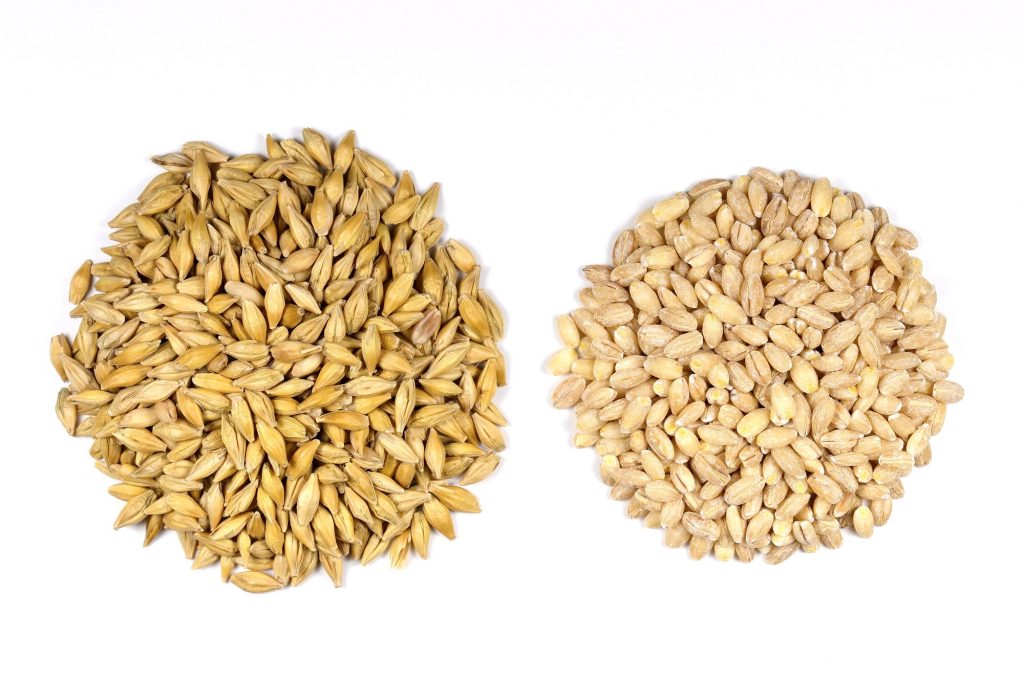
- Hulless barley — also called naked barley. Its hull comes loose at harvest, the way wheat’s does, so the berry reaches you whole and ready. Also a whole grain, and the easiest form to mill.
- Pearled barley — the berries have been polished, and the polishing rubs away the bran and much of the germ.
- Pearled barley cooks faster in a soup pot, but it is not a whole grain anymore — the most nutritious parts are gone.
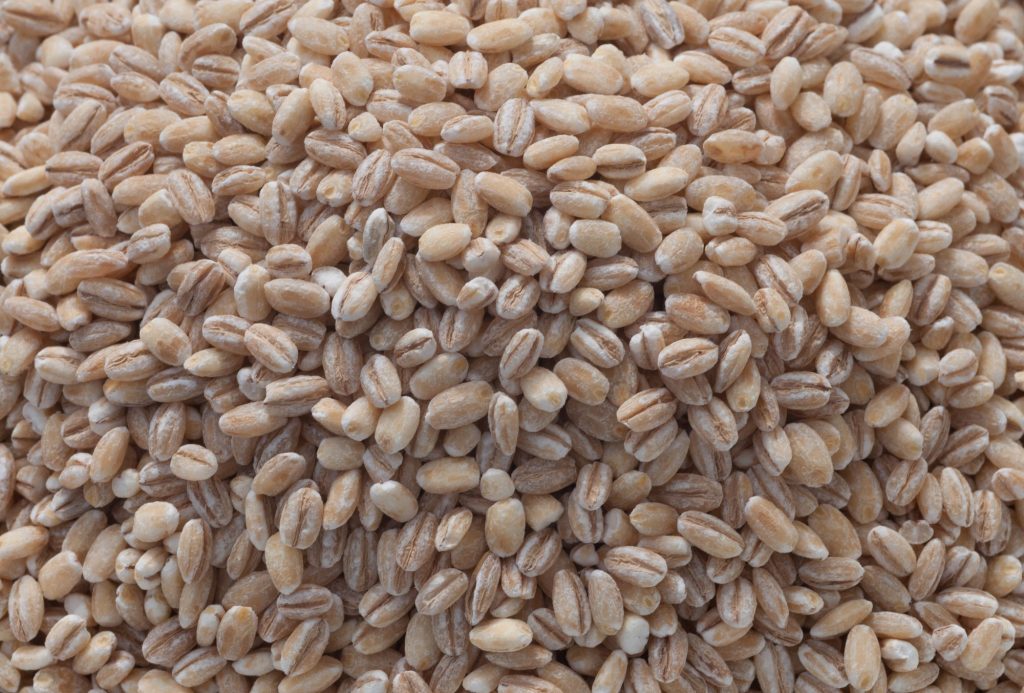
So for milling at home, I buy hulled or hulless berries. Pearled barley still has its place in the soup pot. It just isn’t the berry I want going through the mill.
Barley nutrition: the fiber grain
Barley’s headline is fiber — it stands with rye at the top of this series for it. Much of that fiber is a kind called beta-glucan, the soluble fiber barley is best known for, the one that gives barley its filling, hearty quality in a bowl of soup. Per 100 grams of whole barley berries, you get roughly:
- About 350 calories
- About 9–12 g protein — in the same range as soft wheat
- Plenty of fiber, much of it beta-glucan
- Very little fat
- Real amounts of B vitamins, selenium, magnesium, and phosphorus
One thing that matters here: barley does contain gluten — a kind called hordein. It is not wheat, but it is a gluten grain, closely related to wheat and rye. Barley is not safe for anyone with celiac disease or a wheat allergy.
And because you are milling the whole berry at home — hulled or hulless — all of that fiber, bran, and germ goes into your flour. Nothing is polished away.
Milling barley at home
Barley berries mill just like the other grains in this series, on the settings you use for wheat. A few simple notes from my own milling routine:
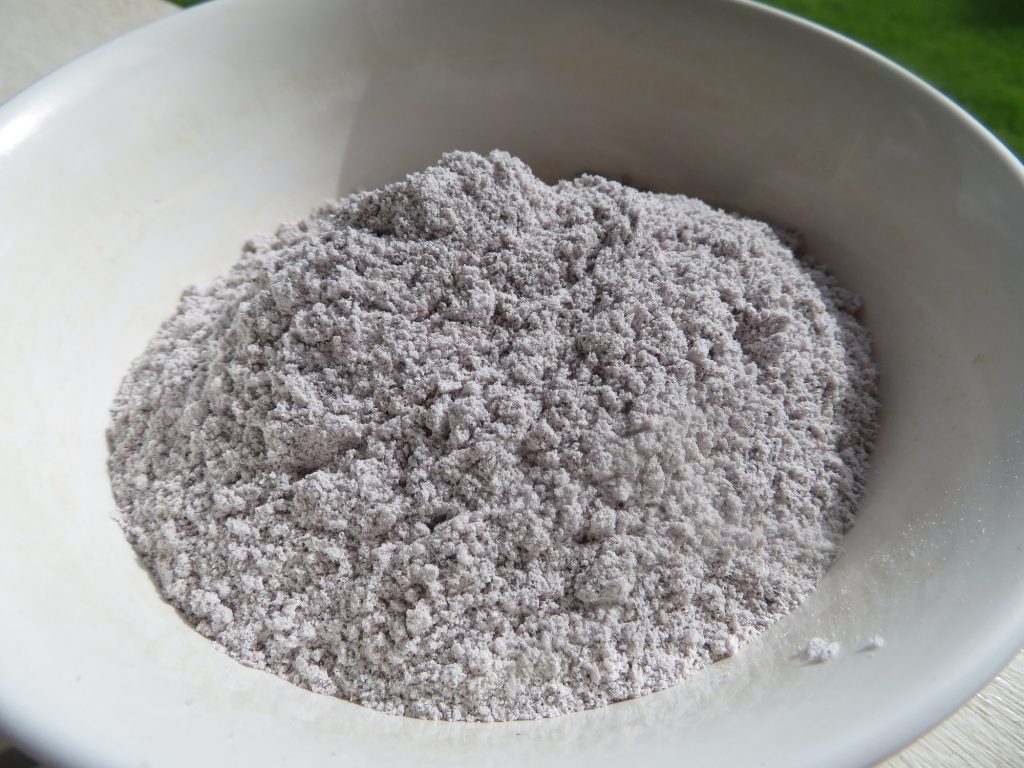
- Mill it on its own, or blend it. Barley flour is lovely by itself for tender bakes. For bread, I mill the berries right along with hard wheat — blending the berries before milling is the simplest way to get a mixed flour.
- If you use an impact mill, turn the mill on before you pour the grain in. The mill should be running first, every time — that goes for barley just like wheat.
- Use it fresh. Same rule as every grain here: mill what you need, when you need it. The whole berries store well; the flour is at its best the day it is milled, and fresh milling is where barley’s mild, nutty flavor shows up most.
Baking with barley flour
Barley flour behaves differently from wheat flour, and the reason is gluten. Barley has some, but it does not build the strong, stretchy network that wheat gluten does. So barley flour on its own will not raise a tall loaf — and it isn’t supposed to. What it does beautifully is tender bakes:
- Pancakes — soft, with a gentle, almost malty sweetness
- Muffins — tender crumb, mild nutty flavor
- Flatbreads — one of barley’s oldest jobs; no rise needed
- Cookies and quick breads — soft and delicate. My Healthy Chocolate Chip Barley Cookies are made with barley flour.

For a yeast bread, blend it: start with about a quarter to a third barley flour and let hard white or hard red wheat do the lifting. The loaf keeps its rise, and the barley brings its flavor and fiber along. That first blended loaf is the easy way to get to know this grain.
Baking with freshly milled flour?
If you’d love to go deeper, I have my Freshly Milled Flour Basics mini-course — 8 lessons where I cover the basics, step by step: how to choose a mill, where to buy berries, getting to know the grains, the difference between hard and soft wheat, and which grain to use for which baking, how hydration differs between store-bought flour and freshly milled flour, and a step-by-step video guide to making waffles.
👉 Learn more about the mini-course here: https://eva-riazati-food-photography.myshopify.com/products/freshly-milled-flour-basics-mini-course
Freshly Milled Flour Basics — Mini-Course
Where to buy barley berries, and how to store them
Look wherever you buy wheat berries for milling — grain suppliers, co-ops, and health-food stores carry hulled and hulless barley berries, and farms sell them online. Check the label and buy hulled or hulless, not pearled, when the berries are headed for the mill. I do not bake with barley that often myself, so I usually get mine from Amazon or our local store.
Berries store the way all whole berries do: sealed in an airtight container, somewhere cool and dry. Whole berries keep well for a long time just like that — it’s the flour that wants to be fresh.
👉 Hulled barley berries (Grain Place Foods): https://www.amazon.com/dp/B00CP8MCS8?tag=tastyhomema0e-20
Zojirushi bread machine: https://www.amazon.com/dp/B07BQ28TQ6?tag=tastyhomema0e-20
👉 NutriMill Harvest grain mill: https://www.amazon.com/dp/B00OGIXL6M?tag=tastyhomema0e-20
NutriMill Artiste mixer: https://www.amazon.com/dp/B077GDYGRJ?tag=tastyhomema0e-20
As an Amazon Associate I earn from qualifying purchases.
Frequently asked questions
Is barley gluten-free?
No. Barley contains gluten (hordein), and it is closely related to wheat and rye. It is not safe for anyone with celiac disease or a wheat allergy.
Is pearled barley a whole grain?
No. Pearled barley has been polished, and the bran and much of the germ were rubbed away in the process. Hulled and hulless barley are the whole-grain forms — those are the ones to mill.
Can I mill barley berries in my regular home mill?
Yes — hulled or hulless berries mill on the settings you use for wheat. If your mill is an impact mill, switch it on before adding the grain, the same as with any grain.
Can I bake a loaf with only barley flour?
Expect a low, dense loaf — barley’s gluten can’t trap air the way wheat’s does. For a risen bread, blend barley flour with hard wheat and let the wheat do the lifting. On its own, barley flour shines in flatbreads, pancakes, and muffins.
What does barley flour taste like?
Mild, a little sweet, and gently nutty. It’s one of the softer-spoken flours in this series — it adds flavor and fiber without taking over the bake.
Tell me in the comments: have you only met barley in soup — or have you baked with barley flour too?
Happy baking! 🌾
Leave a Reply