
Emmer is one of the oldest wheats in the world — and for a long time, it was one of the most important. It was the wheat of ancient Egypt, the grain that fed the builders and bakers along the Nile. Later, it was the wheat that marched with Roman soldiers. In Italy it never really left the table, where it is still known and loved as farro.
Emmer is a true wheat, a close relative of the spelt and einkorn in this series, and a grandparent of the modern bread wheats we bake with today. Its flavor is rich and nutty, its flour is golden, and milled fresh it makes a loaf with real character. Let me introduce you to it properly — starting with where it has been.
What is emmer, exactly?
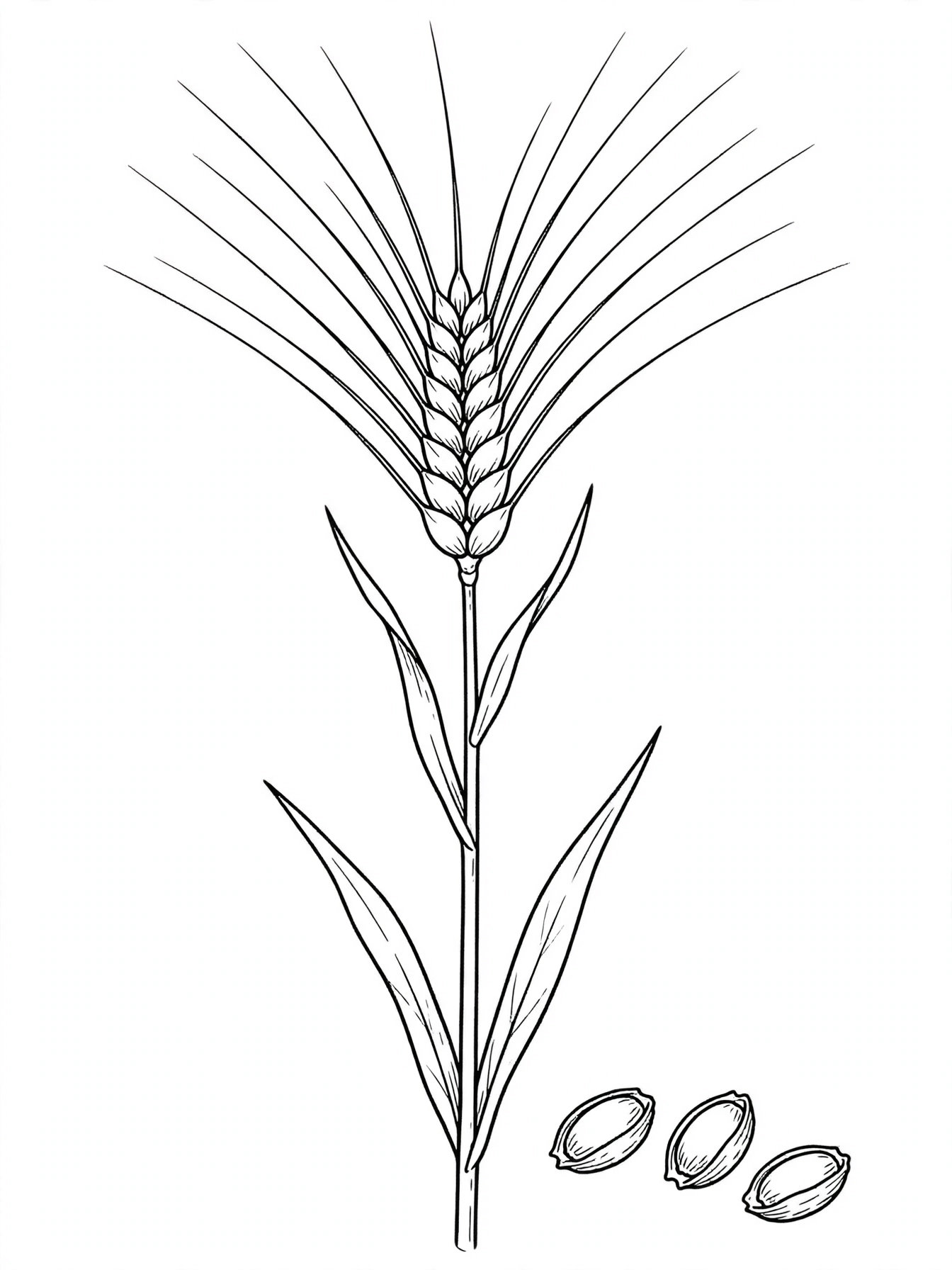
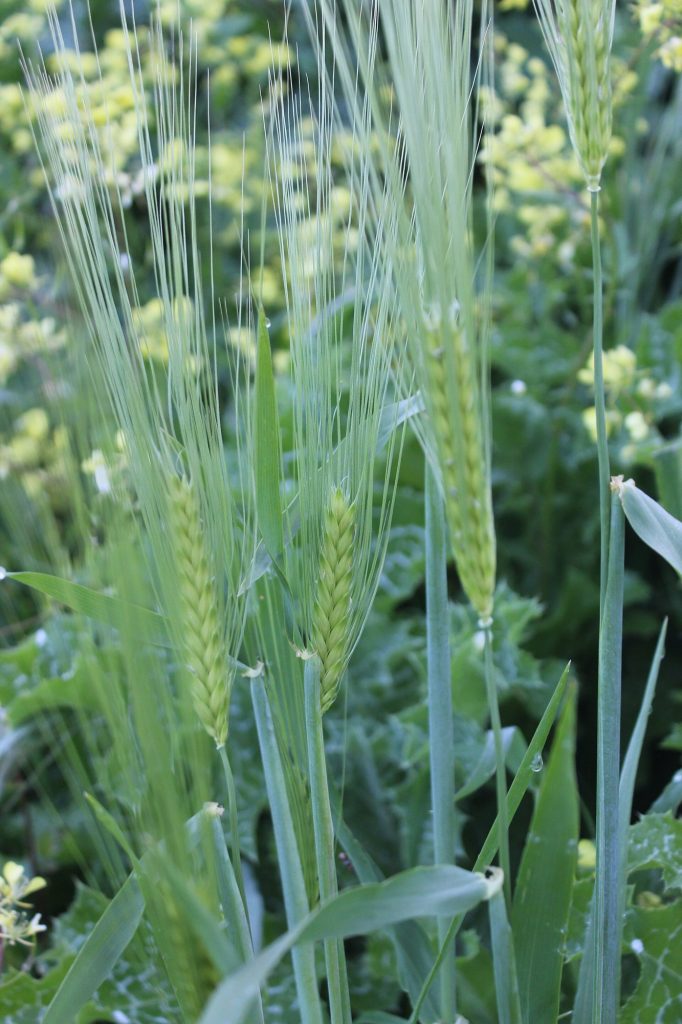
Emmer (Triticum dicoccum) is an ancient wheat in the grass family — a relative of spelt, einkorn, and modern wheat, and one of the first wheats farmers ever grew on purpose. The plant is tall, with long awns — the bristles that fan out from the head — and a compact head that carries its grains in pairs.
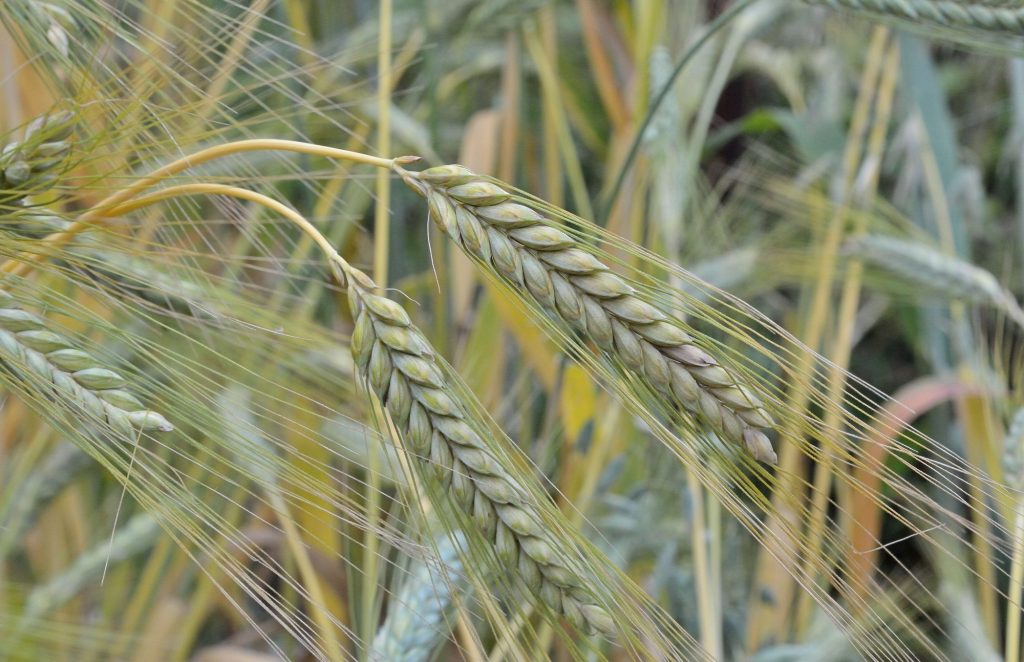
The name most of us meet first is not emmer at all. It is farro. In Italy, three ancient wheats are sold under that one name:
- Farro piccolo — einkorn, the smallest
- Farro medio — emmer, the middle one, and the farro most commonly sold
- Farro grande — spelt, the largest
So when a bag says farro, it is usually emmer — but it is worth a quick look at the label, because the three grains do not behave exactly the same in dough.
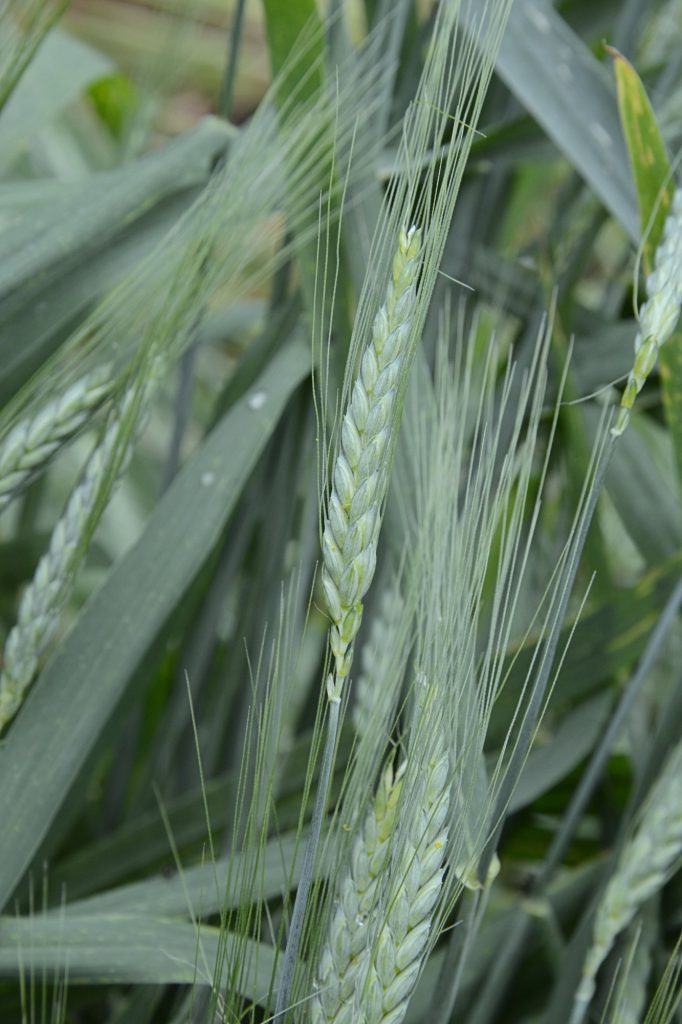
One more thing sets emmer apart from modern wheat: it is a hulled wheat. Each grain stays wrapped in a tight hull that does not fall off in threshing the way modern wheat’s does. That hull kept the grain safe in the field and in storage for thousands of years. It is also why there is one thing to check before you buy emmer — I will come to it below.
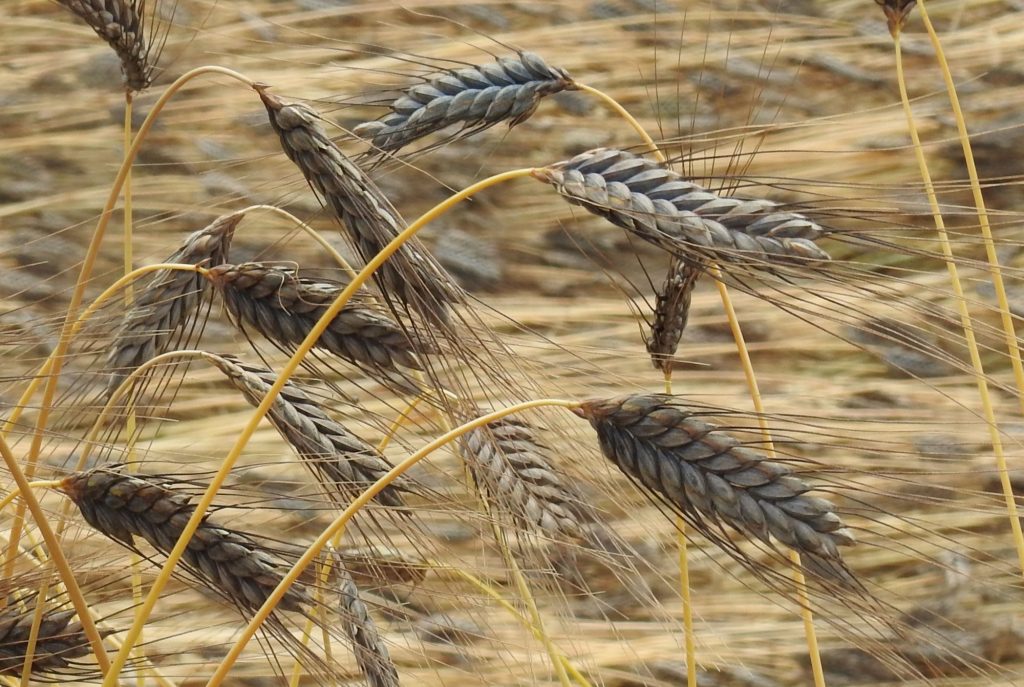
A grain with a very long history
Emmer was first farmed in the Fertile Crescent — the arc of land in the Middle East where farming itself began — around 10,000 years ago. It is one of the founder crops of agriculture, grown alongside einkorn, barley, lentils, and flax by some of the first farmers on earth.
From there, emmer traveled to Egypt, and Egypt made it famous. For thousands of years, emmer was Egypt’s main wheat — the grain of the pharaohs. It grew in the rich soil along the Nile, it was baked into the bread found in ancient tombs, and it was brewed and cooked across the country. When we picture bread in the ancient world, emmer is very often the wheat in the picture.
Emmer traveled on to Greece and then to Rome, where it became the wheat of the Roman world. Roman soldiers carried it on the march — it was a ration grain, sturdy and filling — and Roman bakers and cooks built meals around it. In Italy, emmer held its place long after newer wheats arrived, especially in the hill country of Tuscany and Umbria, where whole farro still goes into soups and salads today.
In most other places, emmer slowly stepped aside. Modern wheats are easier to harvest — their grains fall free of the hull — and they give bigger harvests, so farms moved on. Emmer kept growing in smaller pockets, in Italy, Ethiopia, India, and a few other places, until interest in ancient grains brought it back to our shelves.
Whole emmer: the part to check before you buy
Because emmer is a hulled wheat, the form on the bag matters more than the name. Emmer and farro are sold a few ways:
- Whole farro / whole emmer berries — the dehulled whole grain, with bran and germ still in it. This is the form for cooking whole and for milling at home.
- Semi-pearled farro — part of the bran has been rubbed away. It cooks faster, and gives up a little of the whole grain to do it.
- Pearled farro — the bran is mostly removed. Quick in a soup, but it is not the whole grain, and it is not the bag to buy for milling.
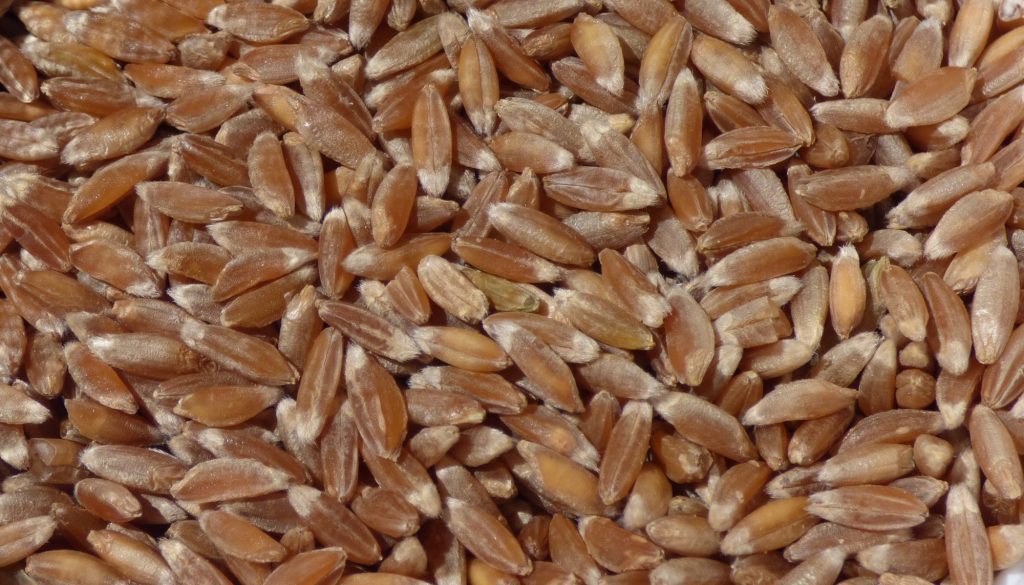
One caution belongs here: the whole berries you buy for milling have already had their tight hull removed by the grower or miller — that step takes special equipment and is not a home job. If a bag of emmer still has its hulls on, it is meant for planting or for a mill that dehulls, not for a home mill. For your kitchen, look for clean, dehulled whole berries: even, golden-brown grains that pour freely.
Emmer nutrition: a sturdy, filling wheat
Emmer is a steady, filling grain, close in numbers to the other whole wheats in this series — with a little more protein than modern wheat in many samples. Per 100 grams of whole emmer grain, you get roughly:
- About 340–360 calories
- About 14–15 g protein
- Good fiber
- Very little fat
- Real amounts of magnesium, phosphorus, zinc, iron, and B vitamins
And one point to keep straight, because emmer sits near so many gluten-free grains in this series: emmer is a wheat. It does contain gluten — a gentler, less strong gluten than modern bread wheat, as the next sections explain, but gluten all the same. It is not a grain for a gluten-free table.
And the usual rule of this series still applies: milling the whole berry at home keeps everything the grain has — bran, germ, and all — in your flour.
Milling emmer at home
Emmer mills into a soft, golden flour with a rich, nutty flavor — a little deeper than hard white wheat, a little like spelt’s cousin, which it is. A few simple notes:
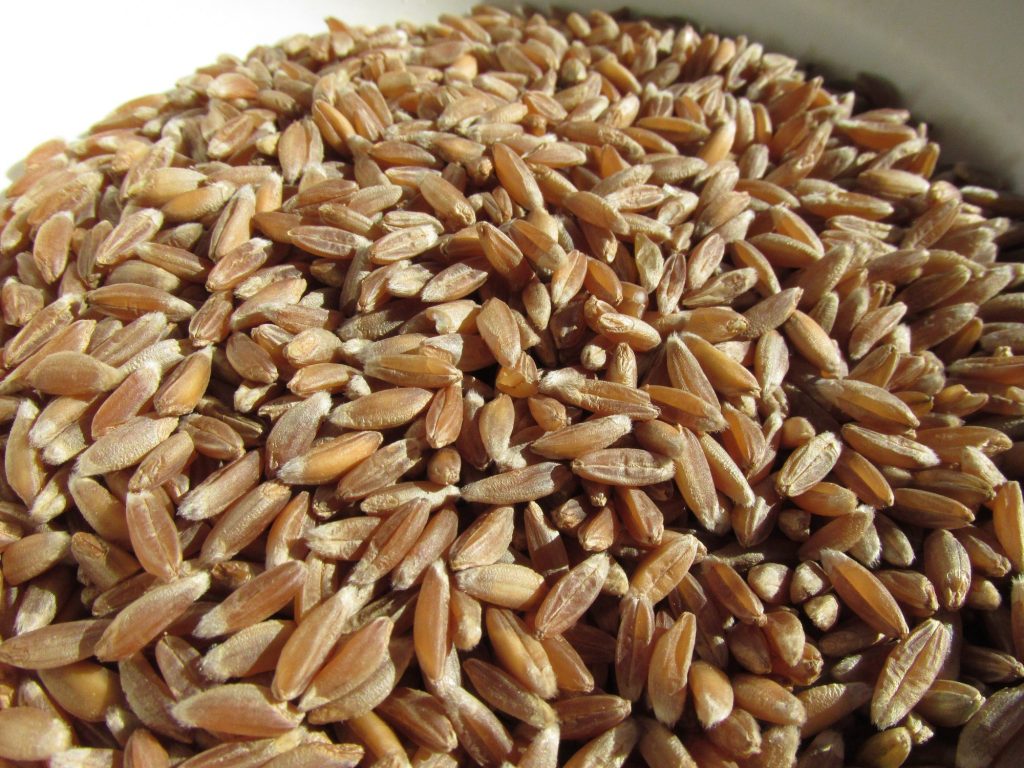
- Dehulled berries only. The berries for your mill are the clean, dehulled whole berries from the buying section above. The hull is not flour, and it does not belong in a home mill.
- If you use an impact mill, turn the mill on before you pour the grain in. The mill should be running first, every time — that goes for emmer just like wheat, spelt, and einkorn.
- Use it fresh. Same rule as every grain here: mill what you need, when you need it. Whole emmer keeps well in a sealed container; the flour is at its best fresh, when its nutty flavor is still full.
- You do not have to mill it. Like barley in this series, emmer is a grain many people meet cooked whole first — in a soup or a salad — and that is a good place to start.
How emmer behaves in dough
Emmer’s gluten is real, but it is gentler and less elastic than the gluten in modern bread wheat. That one fact shapes everything about baking with it:
- The dough feels softer. Emmer dough is a little less stretchy and can feel slack next to a hard wheat dough. It is a dough to handle gently, and it does best in a pan that holds its shape.
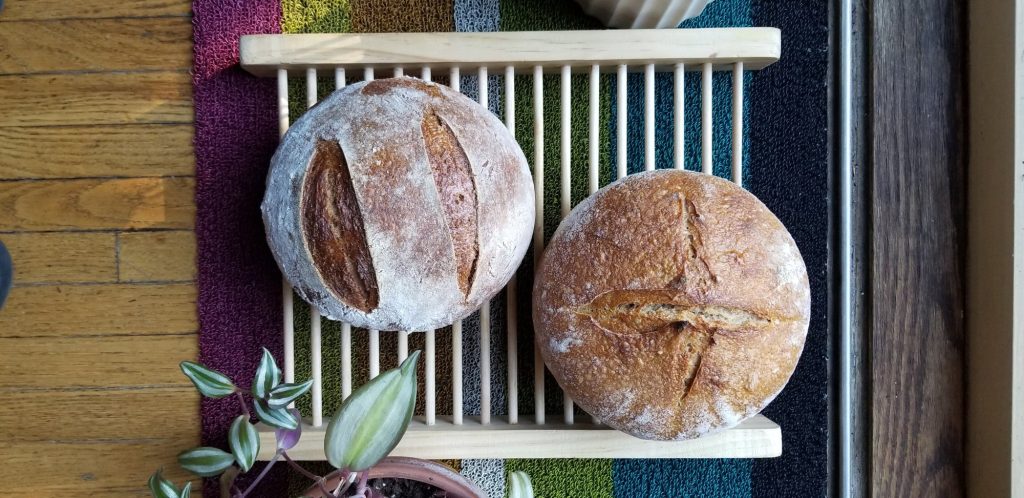
- A pan loaf is its happy place. Baked in a loaf pan, 100% emmer makes a close, tender loaf with a rich, nutty crumb.
- Blends are easy and kind. Part emmer and part hard white wheat gives a loaf with emmer’s flavor and the hard wheat’s lift — a good first step if you are trying emmer for the first time.
- Watch the water. Emmer takes up water a little differently than modern wheat. With any freshly milled flour, I mix, let the dough rest a few minutes, and then decide — if it feels too wet or too dry, I adjust from there. I have not baked with emmer yet myself, but this is the approach I will take with it too.
Cooked whole, emmer berries are chewy and satisfying — the farro of Italian soups and grain salads, holding its shape in the pot. As flour, it is at its best in pan loaves, flatbreads, and blends, and it brings a deep, old-wheat flavor to quick breads too.
Baking with freshly milled flour?
If you’d love to go deeper, I have my Freshly Milled Flour Basics mini-course — 8 lessons where I cover the basics, step by step: how to choose a mill, where to buy berries, getting to know the grains, the difference between hard and soft wheat, and which grain to use for which baking, how hydration differs between store-bought flour and freshly milled flour, and a step-by-step video guide to making waffles.
👉 Learn more about the mini-course here: https://eva-riazati-food-photography.myshopify.com/products/freshly-milled-flour-basics-mini-course
Freshly Milled Flour Basics — Mini-Course
Where to buy emmer, and how to store it
Look wherever you buy wheat berries for milling — grain suppliers, co-ops, and health-food stores carry whole emmer berries and farro — and in the Italian foods aisle, where farro sits near the risotto rice. Check the form on the bag before you buy: whole berries for the mill, and if the bag says farro, a quick look to see whether it names emmer.
Emmer stores the way all whole grains do: sealed in an airtight container, somewhere cool and dry. The whole berries keep well for a long time just like that — it’s the flour that wants to be fresh.
👉 Emmer wheat berries (Grand Teton Ancient Grains): https://www.amazon.com/dp/B0BQP78W98?tag=tastyhomema0e-20
Zojirushi bread machine: https://www.amazon.com/dp/B07BQ28TQ6?tag=tastyhomema0e-20
👉 NutriMill Harvest grain mill: https://www.amazon.com/dp/B00OGIXL6M?tag=tastyhomema0e-20
NutriMill Artiste mixer: https://www.amazon.com/dp/B077GDYGRJ?tag=tastyhomema0e-20
As an Amazon Associate I earn from qualifying purchases.
Frequently asked questions
Is emmer the same as farro? Almost always, yes. Farro is the Italian name for three ancient wheats — einkorn (farro piccolo), emmer (farro medio), and spelt (farro grande) — and the farro most commonly sold is emmer. A quick look at the label tells you which grain is in the bag.
Is emmer gluten-free? No. Emmer is a wheat, and it contains gluten. Its gluten is gentler and less strong than modern bread wheat’s, which is why its dough feels softer — but it is not a grain for a gluten-free table.
Can I mill emmer in my regular home mill? Yes — clean, dehulled whole emmer berries mill into a soft, golden flour. The hull must already be off the berries; that step is done by the grower, not at home. And if your mill is an impact mill, switch it on before adding the grain, the same as with any grain.
Baking, tasting, and buying
Can I bake a loaf with only emmer flour? Yes — in a loaf pan, which holds the softer dough’s shape. Expect a close, tender loaf with a rich, nutty flavor rather than a tall, chewy one. For a taller loaf, blend emmer flour with hard white wheat flour and let the hard wheat help with the lift.
What does emmer taste like? Rich and nutty, with a gentle sweetness — deeper than hard white wheat, a little like spelt. Cooked whole, the berries are chewy and hearty; as flour, the flavor carries through the whole loaf.
Where can I buy emmer berries for milling? Look wherever you buy wheat berries — grain suppliers, co-ops, and health-food stores carry whole emmer, and farro is common in grocery stores. Choose whole, dehulled berries for milling; pearled farro is for quick cooking, not for the mill.
Tell me in the comments: have you cooked farro in a soup or salad — or would your first taste of emmer be a loaf?
Happy baking! 🌾
Leave a Reply