
Every grain in this series so far has been a wheat — hard white, hard red, soft white, Kamut, spelt, and einkorn. Today the series takes a turn. Rye is not a wheat at all. It is wheat’s hardy cousin, the grain that grew where wheat would not.
That is rye’s whole story in one line. Where winters were long, soil was poor, and wheat struggled, rye kept going — and whole regions learned to bake with it. Its bread is darker, denser, and deeper in flavor than wheat bread, and its dough behaves like nothing else in this series. If your first rye dough feels sticky and strange, nothing has gone wrong. That is just rye.
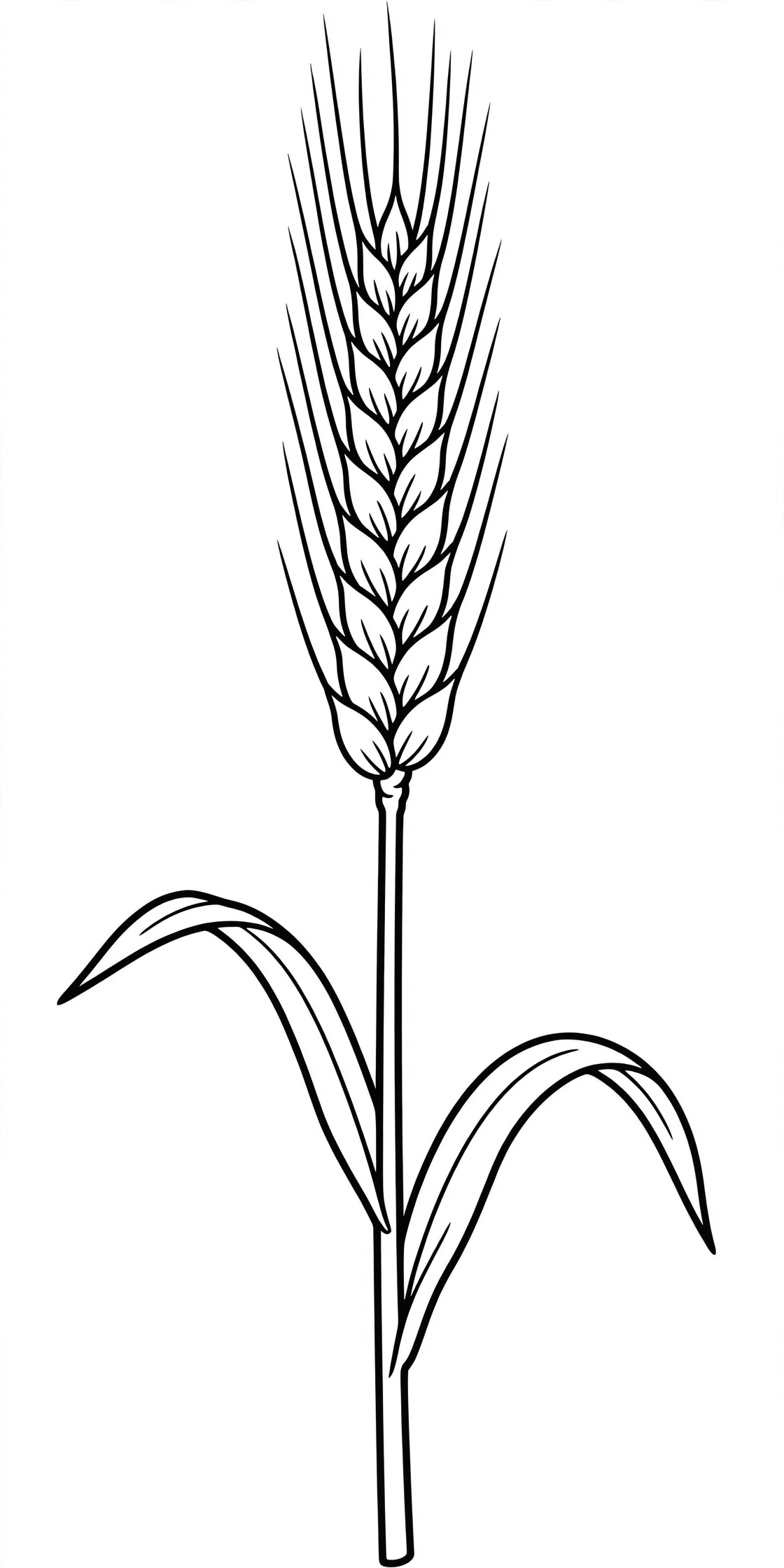
What is rye, exactly?
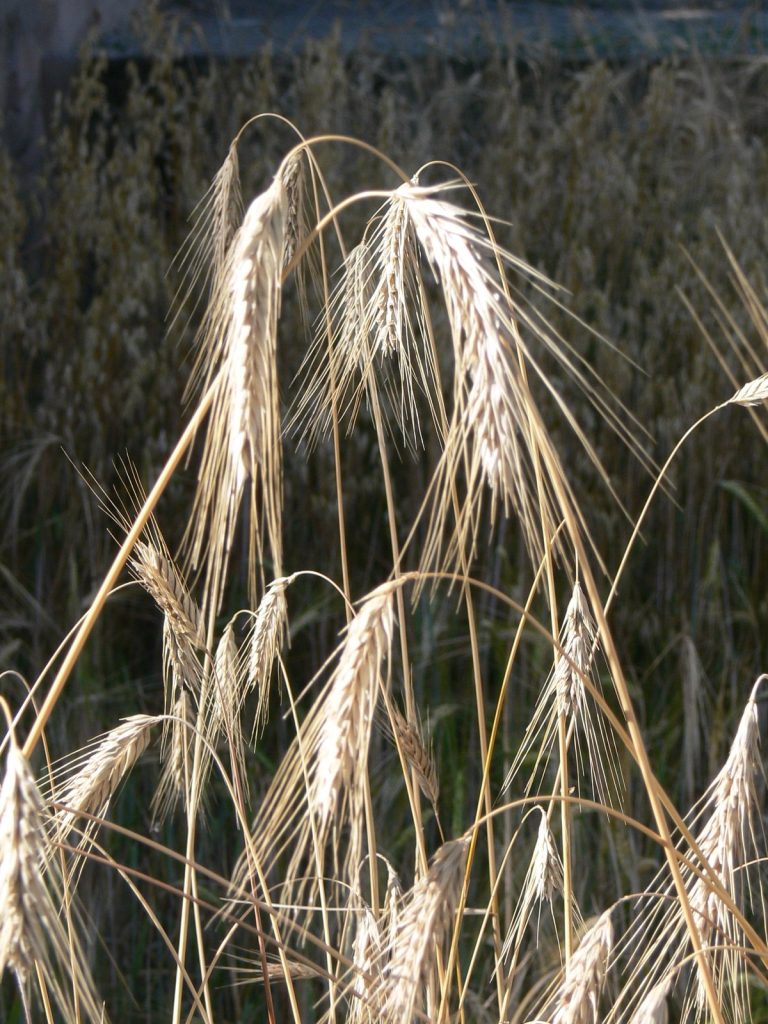
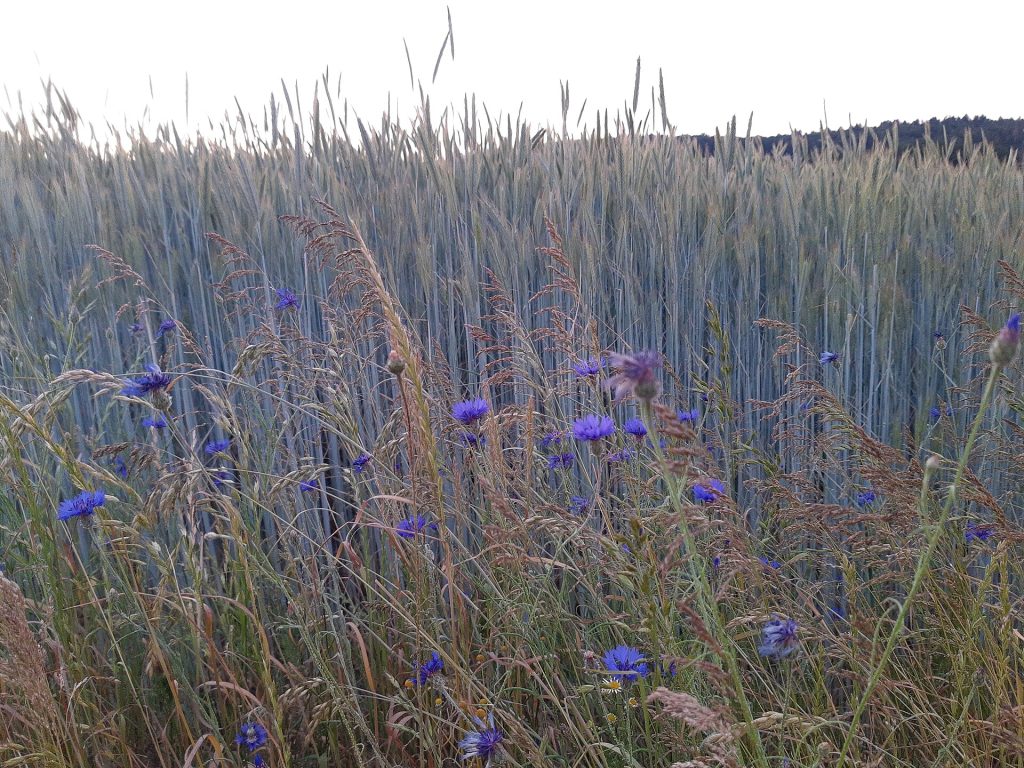
Rye (Secale cereale) is a cereal grain in the same grass family as wheat and barley, and a close relative of both. It most likely began in the area of modern-day Turkey, and for a long time nobody planted it on purpose — it grew as a weed in wheat and barley fields. Then farmers noticed: in cold years and poor ground, the “weed” was still standing when the wheat failed. So they started planting the weed.
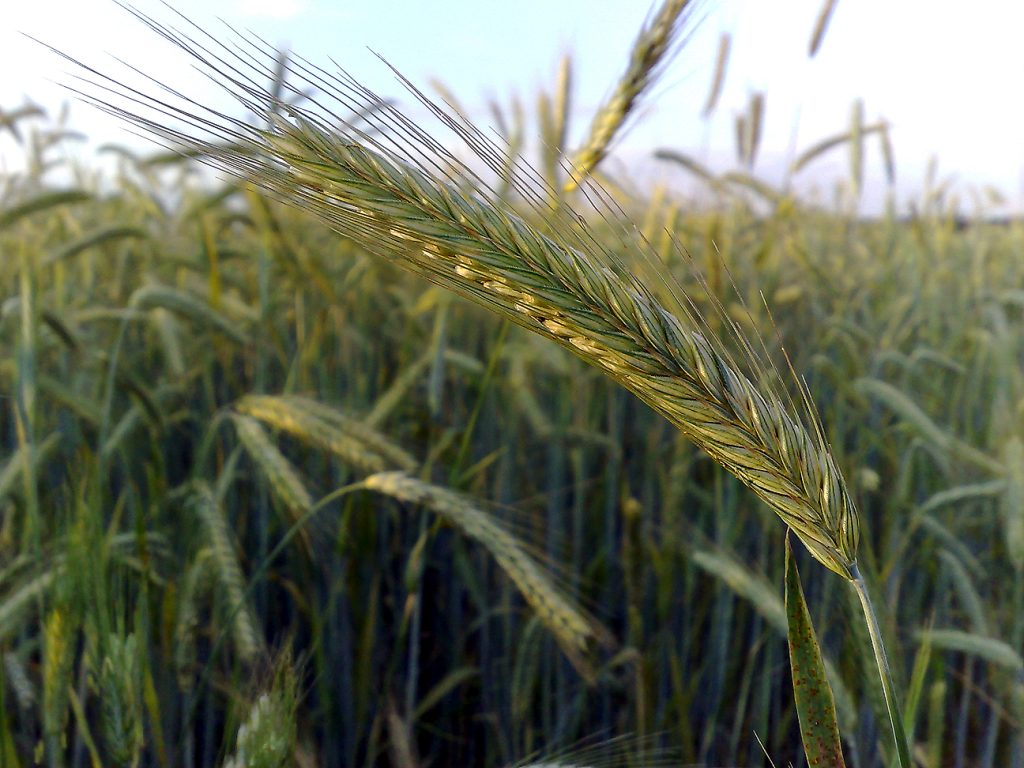
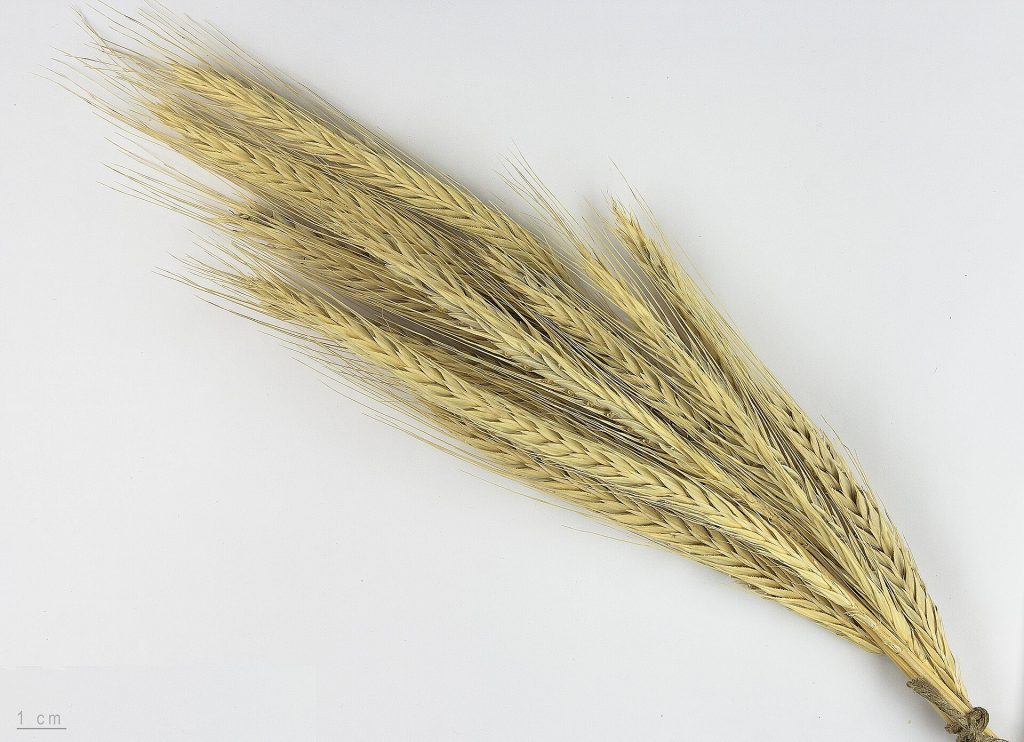
The berries tell you this is a different grain. Rye berries are slender and smaller than wheat berries, grayish-brown with a hint of blue-green. And unlike spelt and einkorn, rye is not a hulled grain — its husk comes off at harvest, so the berries you buy are ready to mill, just like wheat.
Most rye is winter rye: sown in the fall, it starts growing before the snow, sleeps under it, and takes off again in spring. It withstands cold better than any other small grain — snow cover that would kill winter wheat leaves rye unharmed.
Where does rye grow today?
Rye’s home ground is the north. Since the Middle Ages it has been the main bread grain across Central and Eastern Europe — Germany, Poland, Russia, and the Baltic countries — and in Scandinavia, where rye crispbread is still an everyday food. Those places shaped rye baking: hearty sourdough loaves, dense and moist, built to keep.
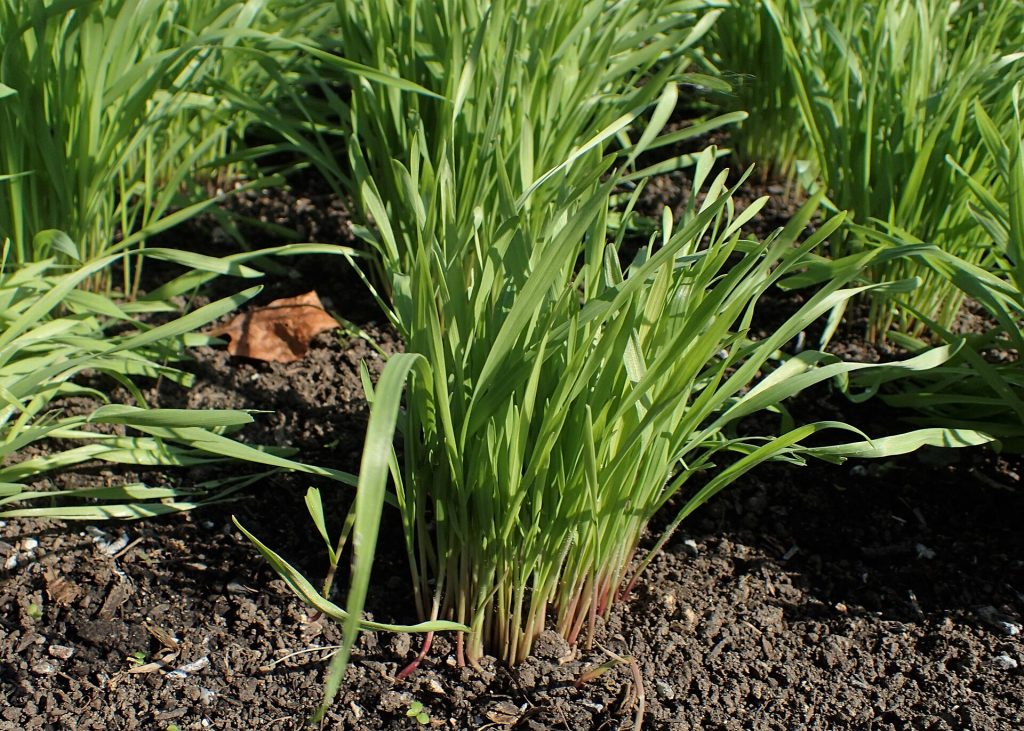
In the United States, rye is a smaller crop — the Dakotas, Nebraska, Minnesota, and Georgia are among the leading states — and much of it goes to cover crops and feed rather than bread. The rye berries we mill at home are a specialty item, and a small bag goes a long way: a little rye changes a whole loaf.
What does rye taste like?
Deep and earthy. That is the pair of words everyone lands on. Freshly milled rye flour has a full, hearty flavor — warmer and more complex than wheat, with a gentle tang that comes forward even more when the bread is made with sourdough.
The color changes too. Rye flour is darker than wheat flour, grayish-brown, and it darkens a loaf from the inside out. Even a quarter rye makes a loaf look rustic, like it came from an old-world bakery. And rye loves company: caraway seeds are the classic partner in deli-style rye, and molasses, cocoa, and seeds all sit comfortably next to its deep flavor.
Rye nutrition: the fiber grain
Rye’s headline number is fiber. Per 100 grams of whole rye grain, you get roughly:
- About 338 calories
- About 10 g protein — similar to wheat, a little less than the hard wheats
- About 76 g carbohydrates
- About 15 g fiber — more than any wheat in this series; a big share of a day’s fiber in one ingredient
- Very little fat (about 1.6 g)
- Real amounts of manganese, phosphorus, magnesium, potassium, and B vitamins
Much of that fiber is a special kind called pentosans — remember that word, because it explains everything about rye dough below. It is also part of why rye bread feels so filling.
And because you are milling the whole berry at home, all of that — bran, germ, and endosperm — goes into your flour. Nothing is stripped out.
One thing that matters here: rye does contain gluten. It is not wheat, but it is a gluten grain, closely related to wheat and barley. Rye is not safe for anyone with celiac disease or a wheat allergy.
How rye behaves in dough
Rye dough does not work like wheat dough. Wheat dough gets its structure from gluten. Rye has very little gluten strength — its proteins do not build that stretchy network. Instead, rye’s structure comes from those pentosans: they soak up a lot of water and form a gel that holds the dough together.
What that means in a real kitchen:
- Expect sticky — sticky is normal. Rye dough is tacky and soft from start to finish, because of the water those pentosans hold. Wet hands and a bench scraper are the rye baker’s real tools. Do not keep adding flour to chase a wheat-dough feel; you will only dry out the loaf.
- Do not judge the water in the first minute. Rye takes up a lot of water, and slowly. Mix the dough, let it rest a few minutes, then judge it — a little more water if it feels stiff, a little more flour if it is truly soupy. It should still feel soft and tacky when it is right.
- Skip the long knead. There is no strong gluten network to develop, so rye dough only needs mixing until everything is combined and even.
- Sourdough is rye’s best friend. Rye carries active enzymes that can break down its starches during fermentation and leave the crumb gummy. The acid in a sourdough starter slows those enzymes down — that is why traditional rye breads are almost always sourdough breads. For a high-rye loaf, sourdough is not just for flavor; it is for structure.
- Blend it, or pan it. A loaf pan holds rye’s soft dough while it bakes. For a free-standing loaf, blend rye with hard white or hard red wheat — rye brings the flavor, wheat brings the lift.
- Let it rest before you slice. A high-rye loaf cut too soon is gummy inside; the crumb needs time to set. Give a mostly-rye loaf a full day of rest before slicing if you can — the flavor deepens while it waits, too.
How to start baking with rye
You do not need a special recipe to meet rye. The easy way in is a blend:
- Take a bread recipe you already know and like.
- The first time, mill rye for about a quarter of the flour and keep the rest your usual hard wheat.
- Mix just until combined, handle the dough with wet hands, and let the loaf rest well before slicing.
That one loaf teaches you rye’s flavor and its feel, with wheat still doing the structural work. From there, raise the rye share loaf by loaf, move into sourdough rye, and try rye where it truly shines: crackers and crispbreads, where no rise is needed at all and the flavor is the whole point.
Use it fresh. Same rule as every grain in this series: mill what you need, when you need it. Once the berry is ground, the flour is at its best the day it is milled — and with rye, fresh milling is where that deep, warm flavor really shows.
Rye vs. wheat, in one breath
Wheat was bred to be strong, mild, and easy to handle, and its dough runs on gluten. Rye stayed the hardy northern cousin: it grows in cold and poor soil where wheat fails, its dough runs on pentosans instead of gluten, and it bakes up darker, denser, and deeper in flavor. Neither one replaces the other — but on a cold day, with soup on the stove, rye bread is the slice that belongs there.
Frequently asked questions
Is rye gluten-free?
No. Rye is not wheat, but it is a gluten grain, closely related to wheat and barley. It is not safe for anyone with celiac disease or a wheat allergy.
Is rye a wheat?
No — rye is its own grain, Secale cereale. It is a close cousin of wheat in the same grass family, which is why it contains gluten and why it blends with wheat so well in bread, but a rye berry is not a wheat berry.
Why is my rye dough so sticky?
Because that is how rye dough is. Rye’s pentosans absorb a lot of water and form a gel, and rye has very little gluten strength, so the dough stays soft and tacky even when it is exactly right. Handle it with wet hands or a scraper instead of adding more flour.
Why did my rye loaf come out dense?
That is rye’s character — with so little gluten, rye cannot trap air the way wheat does, so the crumb is closer and the loaf heavier. A pan, a blend with strong wheat, sourdough, and a full rest before slicing give you rye at its best: dense, but moist and tender rather than gummy.
Can I mill rye berries in my regular home mill?
Yes — rye berries are ready to mill as they come, with no hull to remove, on the settings you use for wheat. Nothing about your routine changes.
Can I bake a 100% rye loaf?
Yes — go in expecting a different kind of bread. Use a loaf pan, make it a sourdough if you can (the acid protects the crumb), and let the baked loaf rest a full day before slicing. Expect a moist, close crumb and a deep flavor, not a tall, airy slice.
Does rye bread have to be sourdough?
No — blends with a quarter to a third rye bake beautifully with regular yeast. Sourdough becomes important as the rye share climbs, because its acid slows the enzymes that can make a high-rye crumb gummy.
Where do I buy rye berries?
Look wherever you buy wheat berries for milling — grain suppliers, co-ops, and health-food stores carry rye berries, and farms sell them online. Start with a small bag: a little rye goes a long way in a blend. If you go through a lot of rye, Central Milling’s organic rye berries come in a 25 lb bag on Amazon: 👉 Organic Rye Berries — Central Milling, 25 lb
👉 Zojirushi Virtuoso Plus Bread Machine
👉 NutriMill Harvest Grain Mill
👉 NutriMill Artiste Mixer
As an Amazon Associate I earn from qualifying purchases.
Want to learn more about grains and milling?
If you’d love to go deeper, I have my Freshly Milled Flour Basics mini-course — 8 lessons where I cover the basics, step by step: how to choose a mill, where to buy berries, getting to know the grains, the difference between hard and soft wheat, which grain to use for which baking, how hydration differs between store-bought flour and freshly milled flour, and a step-by-step video guide to making waffles. If you’re interested, you can find the course here: 👉 https://eva-riazati-food-photography.myshopify.com/products/freshly-milled-flour-basics-mini-course
Tell me in the comments: have you baked with rye yet — or would you try the quarter-swap in a loaf you already love first?
Happy baking! 🌾
Leave a Reply