
Spelt keeps coming up in my baking groups. Someone mills it for the first time, bakes a loaf, and writes in amazed at the flavor — sweet, nutty, almost buttery — and then, very often, with a question: why did my dough act so different? Why did it spread? Why was it sticky?
Both halves of that story are true, and they come from the same place. Spelt is one of the oldest wheats we have, and it never went through the breeding that made modern wheat strong and easy to handle. What it kept instead is flavor — and a gentle kind of gluten that asks you to handle it kindly.
Spelt is one of the ancient grains, and it confuses people in the best way: the numbers say “strong,” and the dough says “gentle.” Let me introduce you to it properly.
What is spelt, exactly?
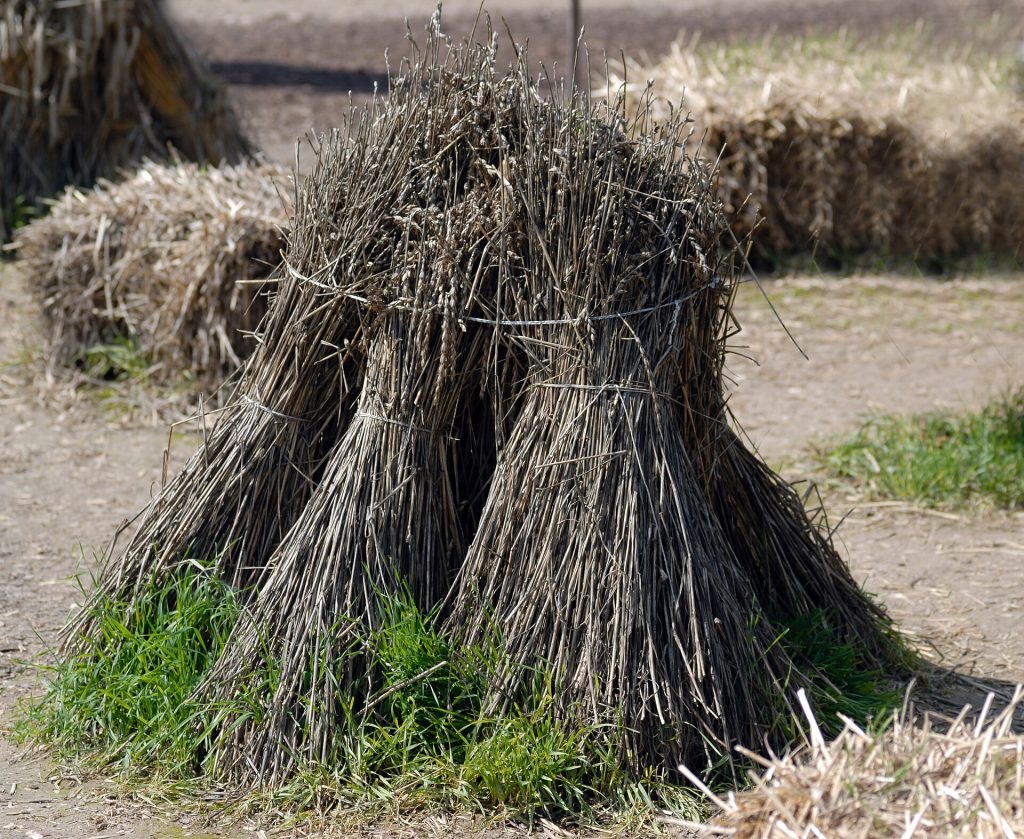
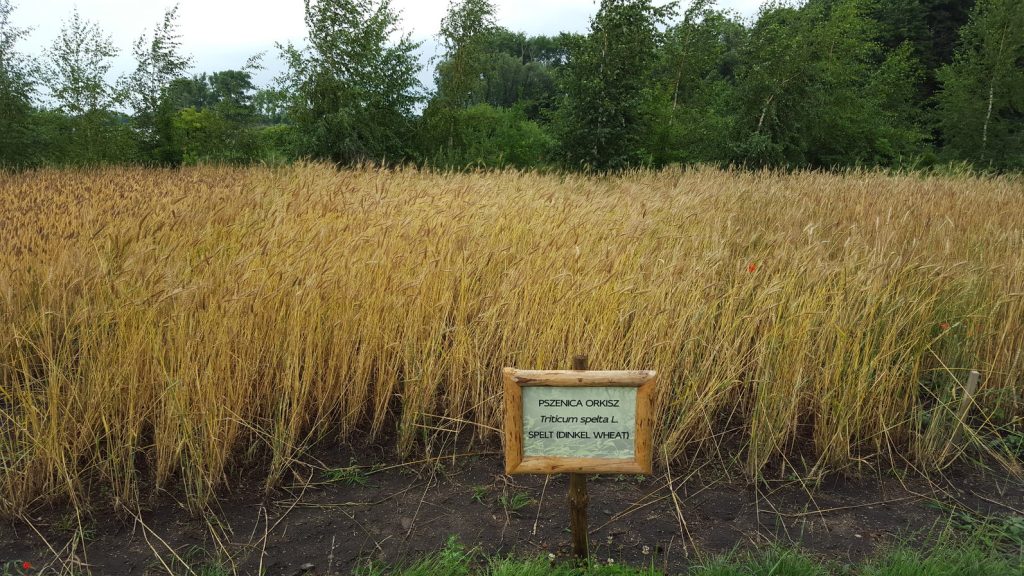
Spelt (Triticum spelta) is an ancient wheat that has been grown for thousands of years. It began in the Near East and became a staple across Europe, especially in Germany and Central Europe, where it is still baked with every day.
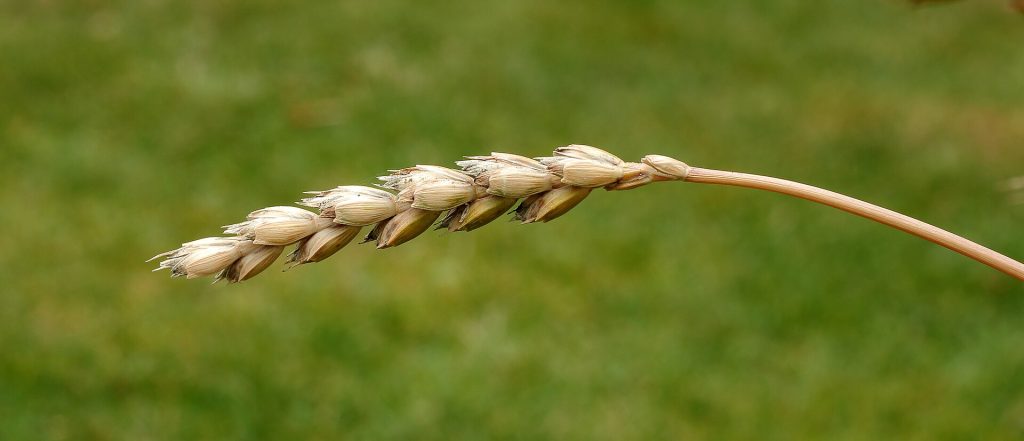
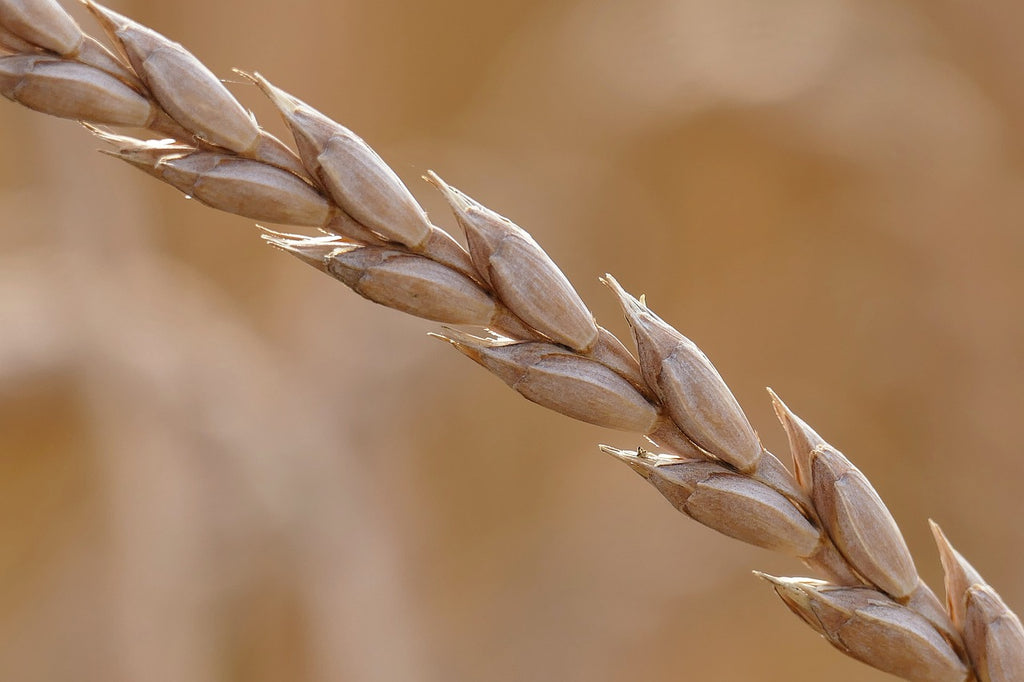
The first thing to know about spelt is that it is a hulled wheat. On most wheat we bake with, the outer husk falls away on its own when the grain is harvested. On spelt, that husk holds on tight and has to be removed in an extra step before the berries can be milled or eaten.
That tight husk is part of why spelt survived so long. It protects the berry in the field and in storage, and it lets the plant grow in poorer soil and harder weather than modern wheat likes. Farmers who grow spelt also find it needs less fertilizer than modern wheat. The trade is simple: more work to clean the grain, in exchange for a hardy plant and a berry that keeps well.
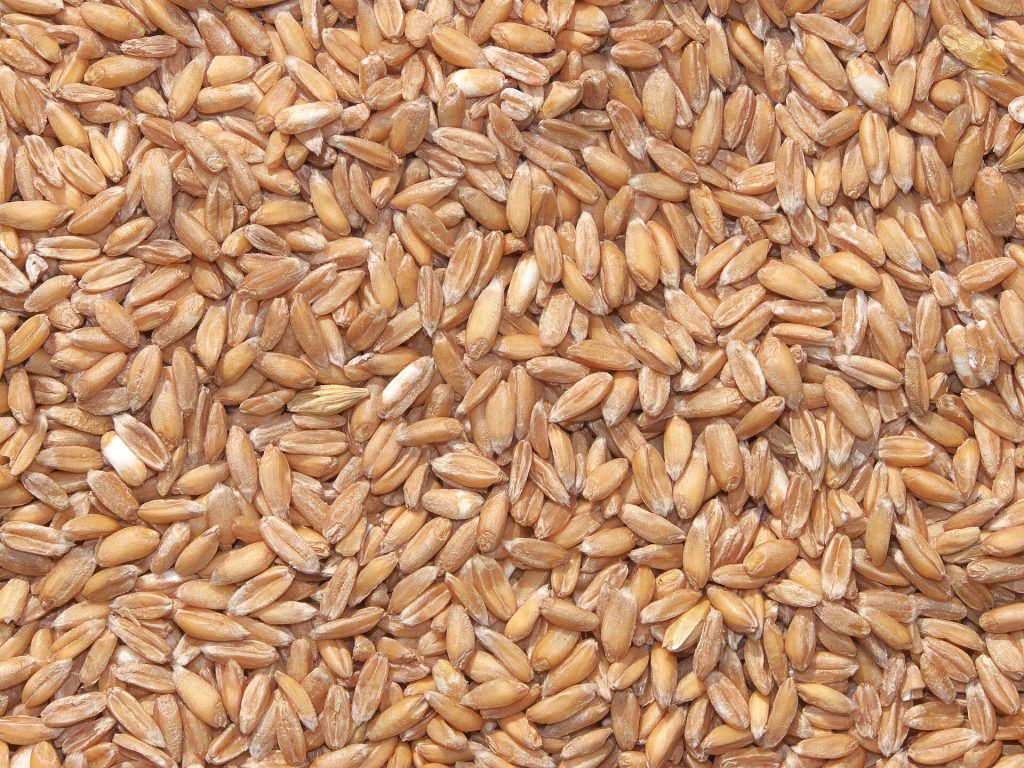
When you buy spelt berries for your mill, that cleaning is already done for you. What lands in your hand looks like a long, golden wheat berry — and it mills just like the wheat you already know.
Where does spelt grow today?
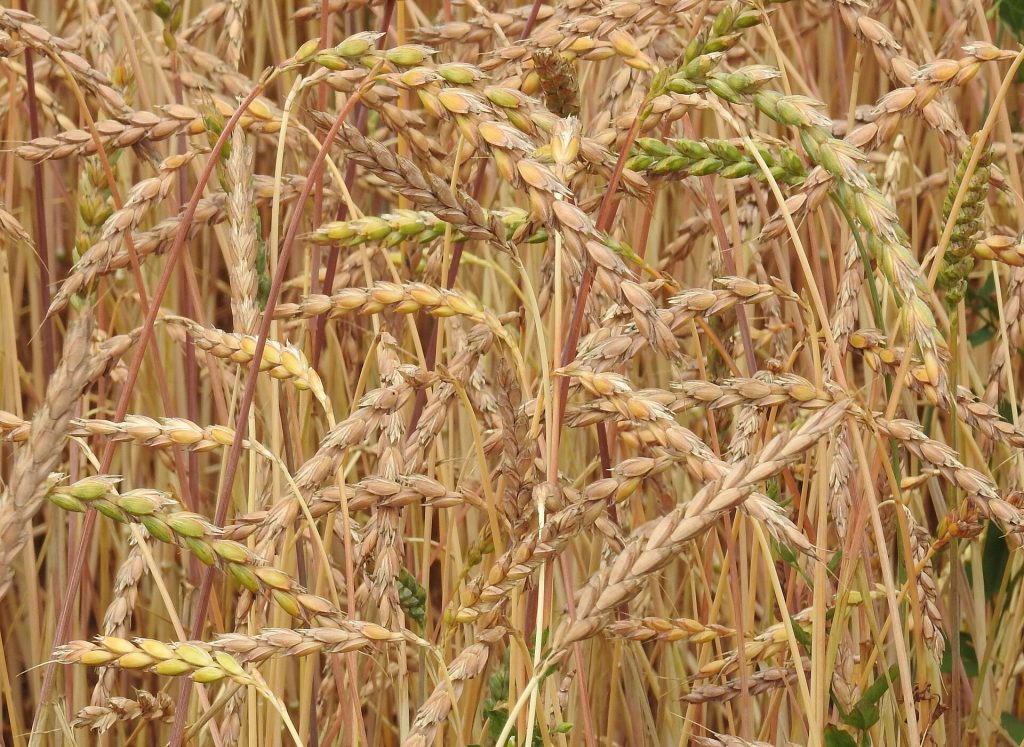
Europe is still spelt’s home ground — Germany and its neighbors never stopped growing and baking it. In the United States, most spelt is grown in Ohio, and smaller amounts come from other northern states and from organic farms that like how little the plant asks for.
Like Kamut, spelt had a quiet century. When farming moved to high-yield modern wheat, spelt was mostly set aside — too much work to clean, not enough bushels per acre. Then home bakers and organic growers went looking for the old grains again, and spelt came back: first in Europe, then here, in artisan loaves, pasta, and flakes.
What does spelt taste like?
Sweet and nutty. That is the pair of words everyone lands on. Spelt flour has a mild, warm flavor — a little honeyed, a little like toasted nuts — without the slight bitterness that red wheat bran can bring, and without the plainness of white flour.
Bread made with spelt tastes richer than the ingredient list explains. It is the kind of loaf people describe as “real bread,” the way bread tasted before flour came in a bag that sat on a shelf for months. Milled fresh, that flavor is at its fullest.
Spelt nutrition: high protein, whole berry
Here is where the confusion starts, because on paper spelt looks like a strong bread wheat. Per 100 grams of uncooked spelt, you get roughly:
- 340 calories
- 14.6 g protein — as much as hard bread wheat, and more than modern common wheat in most comparisons
- 70 g carbohydrates
- About 10.7 g fiber
- Very little fat (about 2.4 g)
- Real amounts of manganese, phosphorus, magnesium, iron, zinc, and B vitamins (especially niacin and thiamine)
And because you are milling the whole berry at home, all of that — bran, germ, and endosperm — goes into your flour. Nothing is stripped out.
One thing that matters here: spelt does contain gluten. It is wheat. Its protein does behave differently in dough (more on that below).
How spelt behaves in dough
This is the section that saves loaves. Spelt’s protein is high, but its gluten is delicate — spelt carries more of the stretchy part of gluten and less of the strong, elastic part than modern bread wheat. The dough comes together fast, stretches easily, and then, if you keep working it, it gives up.
What that means in a real kitchen:
- Mix gently, and stop early. Spelt dough only wants to be mixed until it comes together. Keep kneading past that point and the gluten breaks down — the dough turns sticky and the loaf bakes up dense and crumbly. This is the one grain where less work really is better.
- Start with a little less water. Spelt takes up less water than modern wheat. Use a little less than your recipe calls for, let the mixed dough rest 20–30 minutes, and then judge it: a little more water if it is too dry, a little more flour if it is too wet. Judge after the rest, not in the first minute.
- Watch the rise — it moves faster. Spelt dough can ferment and rise quicker than wheat dough. Check it earlier than the recipe says, so it does not over-rise and spread.
- Give it a pan, or a partner. A loaf pan holds spelt’s shape while it rises. For a free-standing loaf, blend spelt with hard white or hard red wheat — half spelt for flavor, half strong wheat for structure — and the loaf holds together much better.
- Let the loaf cool completely before you slice it. A spelt loaf that is cut warm can crumble and turn gummy inside. Give it a full 2–3 hours on the rack, then slice with a gentle sawing motion. This one step fixes most “my spelt loaf fell apart” stories.
How to start baking with spelt
You do not need a special recipe to meet spelt. The easy way in is a swap:
- Take a bread recipe you already know and like.
- The first time, mill spelt for a quarter to a half of the flour and keep the rest your usual hard wheat.
- Mix a little less, use a little less water, and check the rise early.
That one loaf teaches you spelt’s flavor and its feel. From there, bakers take it into pancakes, muffins, and cookies — anywhere a tender crumb and a nutty, sweet flavor belong — and into sourdough, where it is a longtime favorite. A 100% spelt loaf is very doable, especially in a pan; just go in knowing the dough wants a light hand.
Use it fresh. Same rule as every grain in this series: mill what you need, when you need it. Spelt’s tight husk protected the berry for thousands of years — once it is off and the berry is ground, the flour is at its best the day it is milled.
Spelt vs. modern wheat, in one breath
Modern wheat was bred to be strong, high-yielding, and easy for machines to handle. Spelt kept the older arrangement: similar protein, gentler gluten, deeper flavor, and a husk that makes more work for the farmer and the miller. Neither one is magic — but if your bread has started to taste plain, spelt is the grain most likely to remind you what wheat can taste like.
Frequently asked questions
Is spelt gluten-free?
No. Spelt is wheat and contains gluten. Some people with a mild sensitivity to modern wheat report that spelt sits easier with them, but it is not safe for celiac disease or a wheat allergy.
Is spelt the same as farro?
No — they are cousins, not the same grain. Farro is an Italian name shared by three old wheats: einkorn, emmer, and spelt. Most farro in stores is emmer. If the bag says spelt, you have spelt.
Why do spelt berries cost more than regular wheat berries?
Mostly the hull. Spelt needs an extra dehulling step after harvest, and it yields less per acre than modern wheat. You are paying for that extra work and the smaller harvests.
Can I mill spelt berries in my regular home mill?
Yes — the berries you buy are already dehulled, and they mill on the same settings you use for hard wheat. Nothing about your routine changes.
Why did my spelt dough turn sticky?
Most likely it was mixed too long. Spelt’s gluten forms fast and breaks down fast. Next time, mix just until the dough comes together, let it rest, and use gentle folds instead of long kneading.
Can I bake a 100% spelt loaf?
Yes — a loaf pan is the forgiving place to start, with a little less water and a shorter mix. Let it cool completely before slicing. For a free-standing loaf, a half-and-half blend with hard white or hard red wheat holds its shape better.
Where do I buy spelt berries?
Here are the places I buy my grains from — they carry spelt berries too: Grand Teton Ancient Grains (my regular source), Azure Standard, Bread Beckers, and Pleasant Hill Grain. Local co-ops and health-food stores carry them too — I buy from Fresh Farm near me. Start with a small bag, mill a test loaf, and taste before you stock up.

(As an Amazon Associate I earn from qualifying purchases.)
Want to learn more about grains and milling?
If you’d love to go deeper, I have my Freshly Milled Flour Basics mini-course — 8 lessons where I cover the basics, step by step: how to choose a mill, where to buy berries, getting to know the grains, the difference between hard and soft wheat, and which grain to use for which baking. If you’re interested, you can find the course here: 👉 https://eva-riazati-food-photography.myshopify.com/products/freshly-milled-flour-basics-mini-course
Tell me in the comments: have you baked with spelt yet — or would you try the quarter-swap in a loaf you already love first?
Happy baking! 🌾
Leave a Reply