
Every wheat we have met in this series so far has a story. Einkorn’s story is the first one. Before hard white, before hard red, before spelt and Kamut, there was einkorn — the wheat people first learned to farm, thousands of years ago.
It is also the wheat most likely to surprise you in the kitchen. The flour comes out of the mill a warm golden color. The flavor is rich and a little sweet. And the dough feels soft and sticky, nothing like the strong, stretchy dough of modern bread wheat. All of that is normal for einkorn, and once you know why, it makes sense.
What is einkorn, exactly?
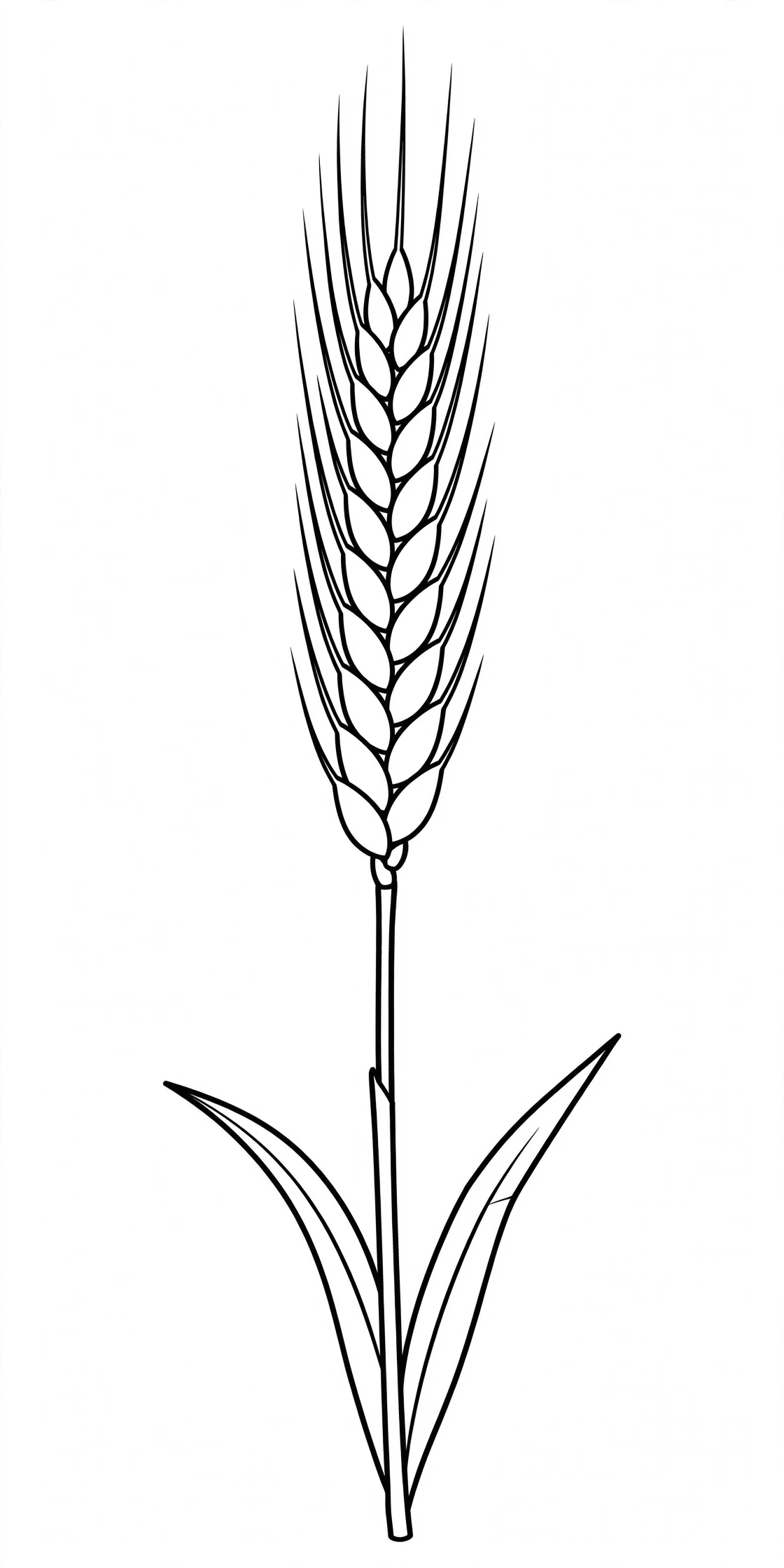
Einkorn (Triticum monococcum) is one of the first plants people ever domesticated. It was first farmed in the Fertile Crescent, in the area of modern-day Turkey, around 10,000 years ago. For a long time it was simply what wheat was.
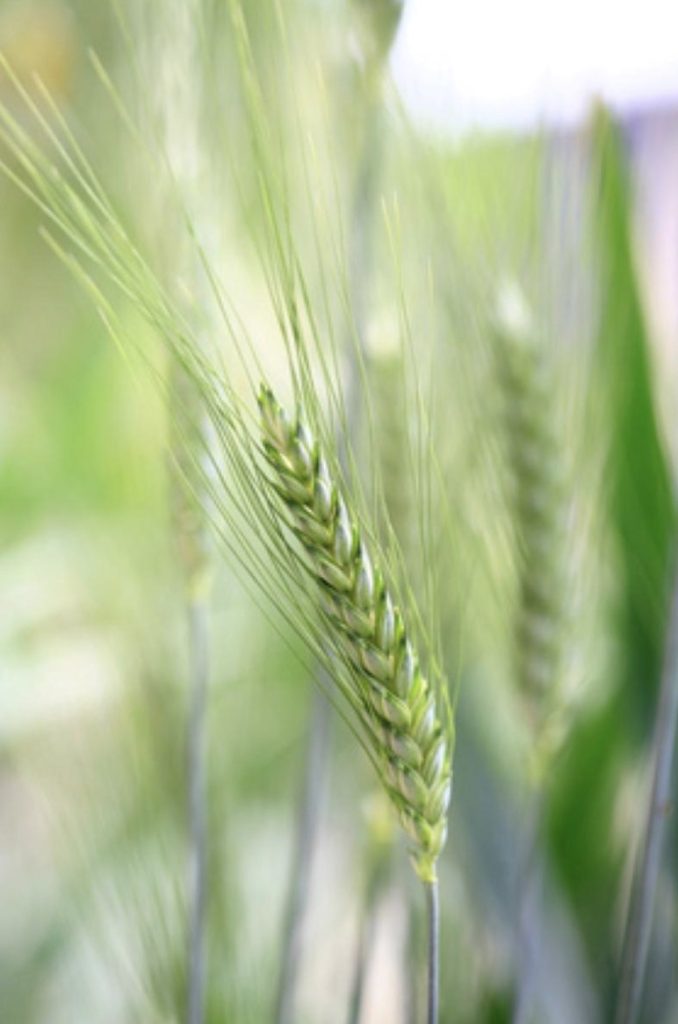
Einkorn is German for “single grain” — each little spikelet on the head holds just one grain, where modern wheat holds more. The berries are small, much smaller than the Kamut berries we met earlier in this series.
Einkorn is also simpler inside than any other wheat we bake with. It is a diploid wheat, with 14 chromosomes. Modern bread wheat has 42. Einkorn never went through the crossings and breeding that built modern wheat, so what we have today is still very close to the wheat people started with.
Like spelt, einkorn is a hulled wheat. Its husk holds on tight and has to be removed in an extra step before the berries can be milled. That husk protected the berry for thousands of years, and it is one reason this plant can grow in poor soil and hard weather where other wheats struggle. When you buy einkorn berries, that cleaning is already done for you. What lands in your hand is a small, golden berry — and it mills just like the wheat you already know.
Where does einkorn grow today?
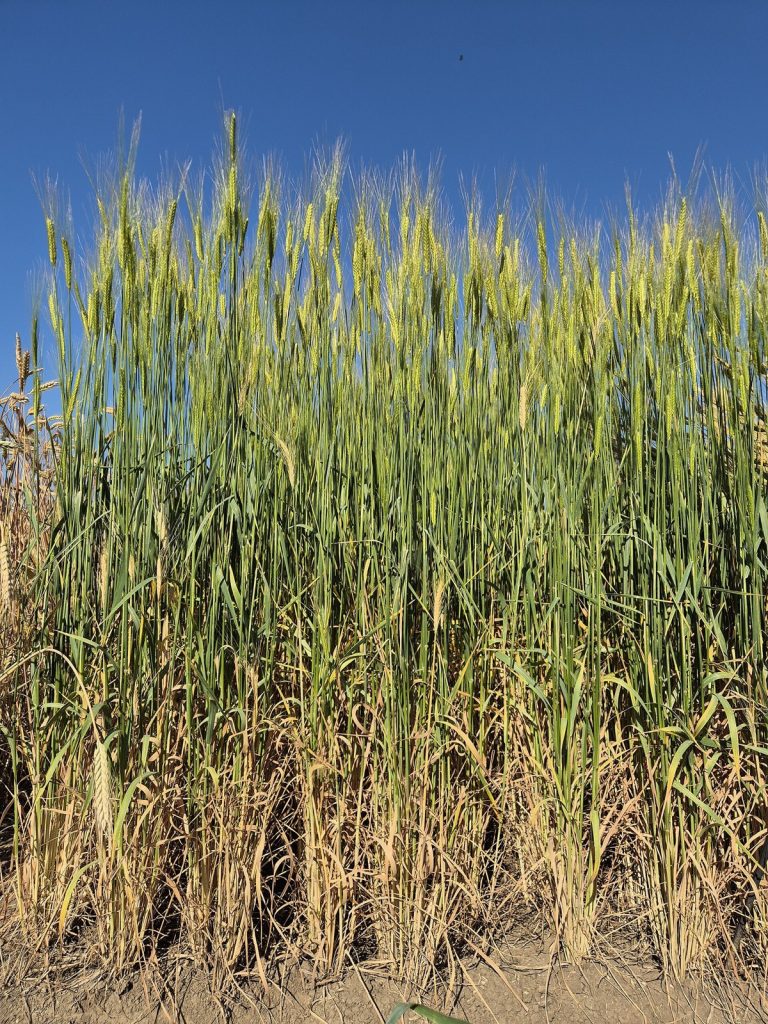
In small amounts, and mostly on purpose. When farming moved to high-yield modern wheat, einkorn was mostly set aside — it gives far fewer bushels per acre, and the tight hull makes extra work. For a long time it survived in small pockets in Europe and the Near East.
Then bakers and growers went looking for the old grains again, and einkorn came back. Today it is grown in small amounts in Europe and here in the United States, often by organic and specialty farms. It costs more than regular wheat berries — smaller harvests and that extra dehulling step are the reason — but it is not hard to find once you know to look for it.
What does einkorn taste like?
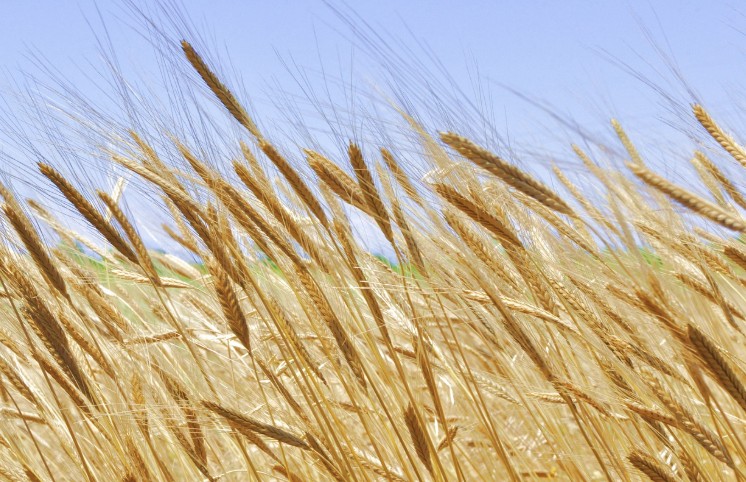
Rich, sweet, and a little buttery. Einkorn flour has a warm, full flavor — deeper than hard white wheat, without the slight bitterness red wheat bran can bring.
You see the difference before you taste it. Einkorn flour is golden. That color comes from carotenoids in the berry — the same family of pigments that makes carrots orange — and einkorn carries much more of them than modern wheat does, including lutein. Bakes made with einkorn come out with a warm, yellow-gold crumb that looks like you added something special. You did not. That is just the grain.
Einkorn nutrition: small berry, full package
For such a small berry, einkorn carries a lot. Per 100 grams of whole einkorn grain, you get roughly:
- About 369 calories
- About 15 g protein — more than modern common wheat in most comparisons
- About 69 g carbohydrates
- About 8.9 g fiber
- A little more natural fat than modern wheat (about 3.8 g)
- Real amounts of manganese, phosphorus, zinc, potassium, and B vitamins, plus lutein — einkorn has several times more than modern wheat
And because you are milling the whole berry at home, all of that — bran, germ, and endosperm — goes into your flour. Nothing is stripped out.
One thing that matters here: einkorn does contain gluten. It is wheat. Its gluten is different from modern wheat’s, and some people who feel sensitive to modern wheat say einkorn sits easier with them — but it is not safe for anyone with celiac disease or a wheat allergy.
How einkorn behaves in dough
This is the section that saves loaves. Einkorn’s protein is high, but its gluten is weak and delicate — the weakest of the wheats in this series. The dough comes together soft, feels sticky, stretches without much spring back, and tears if you push it. That is not a mistake in your baking. That is einkorn being einkorn.
What that means in a real kitchen:
- Mix less than you think you need to. Einkorn dough only wants to be mixed until it comes together. Keep kneading past that point and the weak gluten breaks down — the dough gets stickier and the loaf bakes up flat and dense. Gentle folds do more for einkorn than long kneading.
- Start with less water. Einkorn takes up less water than modern wheat, and it takes it up slowly. Start with about 10–20% less than your recipe calls for, let the mixed dough rest 20–30 minutes, and then judge it: a little more water if it is too dry, a little more flour if it is too wet. Judge after the rest, not in the first minute. And do not panic at the stickiness — a soft, sticky dough is right for this grain. Wet hands or a bench scraper help more than extra flour.
- Watch the rise — it can move faster. Check einkorn dough earlier than the recipe says, so it does not over-rise and spread.
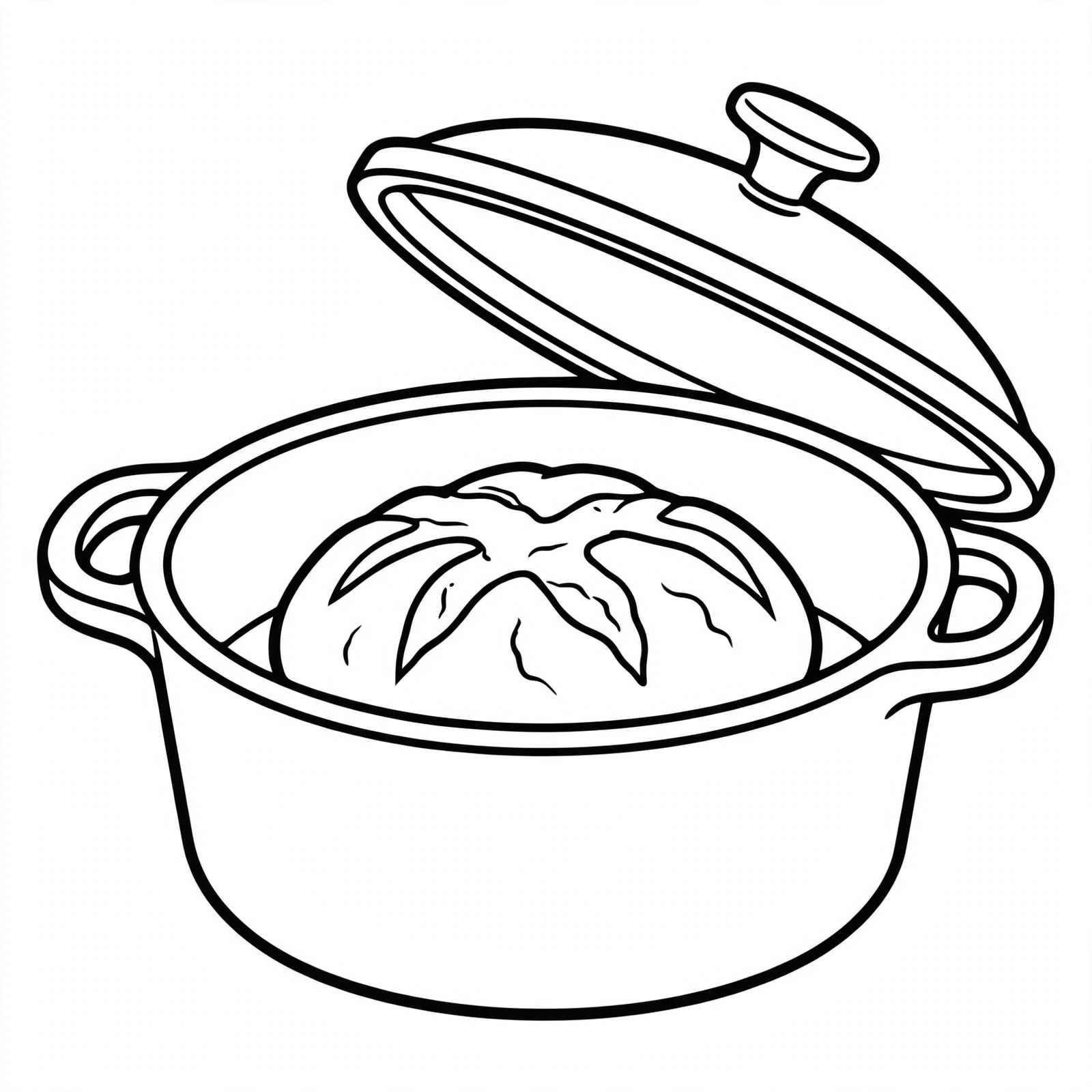
- Give it a pan, or a partner. A loaf pan holds einkorn’s shape while it rises, and a Dutch oven does the same for a rustic loaf. For a free-standing loaf, blend einkorn with hard white or hard red wheat — part einkorn for flavor and color, part strong wheat for structure.
- Expect a tender, closer crumb. Einkorn bread bakes up a little denser, moist, and tender than a strong bread wheat loaf. That is its character, not a failure — and in cookies, muffins, pancakes, and flatbreads, that tenderness is exactly what you want.
How to start baking with einkorn
You do not need a special recipe to meet einkorn. The easy way in is a swap:
- Take a recipe you already know and like — muffins or pancakes are the forgiving place to start.
- Mill einkorn for a quarter to a third of the flour and keep the rest your usual wheat.
- Use a little less water, mix a little less, and check the rise early.
That one bake teaches you einkorn’s flavor, color, and feel. From there, bakers take it into cookies, flatbreads, and rustic loaves. A 100% einkorn loaf is very doable, especially in a pan; just go in knowing the dough wants a light hand and less water.
Use it fresh. Same rule as every grain in this series: mill what you need, when you need it. Once the berry is ground, the flour is at its best the day it is milled, and its richer natural oils are one more reason not to let it sit.
Einkorn vs. modern wheat, in one breath
Modern wheat was bred to be strong, high-yielding, and easy for machines to handle, with 42 chromosomes. Einkorn stayed at the beginning: 14 chromosomes, small berries, a tight husk, weaker gluten, deeper flavor, and a golden color modern wheat never had. Neither one is magic — but if you want to taste where bread started, einkorn is the grain that takes you there.
Frequently asked questions
Is einkorn gluten-free?
No. Einkorn is wheat and contains gluten. Its gluten is different from modern wheat’s, and some people with a mild sensitivity to modern wheat report that einkorn sits easier with them, but it is not safe for celiac disease or a wheat allergy.
Why is einkorn flour golden?
Because of carotenoids — natural pigments in the berry, including lutein. Einkorn carries several times more of them than modern wheat, so the flour, and everything you bake with it, comes out a warm gold.
Is einkorn the same as farro?
They are cousins, not twins. “Farro” usually refers to emmer wheat (sometimes einkorn or spelt in Italy — einkorn is even called “farro piccolo,” the little farro, there). Einkorn is its own grain, Triticum monococcum — if the bag says einkorn, you have einkorn.
Why do einkorn berries cost more than regular wheat berries?
Mostly yield and the hull. Einkorn gives far fewer bushels per acre than modern wheat, and it needs an extra dehulling step after harvest. You are paying for the smaller harvests and that extra work.
Can I mill einkorn berries in my regular home mill?
Yes — the berries you buy are already dehulled, and they mill on the same settings you use for hard wheat. The berries are small, and nothing about your routine changes.
Why is my einkorn dough so sticky?
Because that is how einkorn dough is. It takes up water slowly, its gluten is weak, and the dough stays soft and sticky even when it is right. Mix gently and briefly, let it rest, and handle it with wet hands or a scraper instead of adding flour — that extra flour is what makes the loaf dense.
Can I bake a 100% einkorn loaf?
Yes — a loaf pan or a Dutch oven is the forgiving place to start, with a little less water and a short, gentle mix. Expect a moist, tender, closer crumb rather than a tall, open one.
Where do I buy einkorn berries?
I buy my einkorn berries from Grand Teton Ancient Grains — the same place I get my hard white and soft white wheat. Grain suppliers, co-ops, and health-food stores carry einkorn too. Start with a small bag and taste before you stock up.
👉 Organic Einkorn Berries — Grand Teton Ancient Grains, 5 lb
👉 Zojirushi Virtuoso Plus Bread Machine
👉 NutriMill Harvest Grain Mill
👉 NutriMill Artiste Mixer
As an Amazon Associate I earn from qualifying purchases
Want to learn more about grains and milling?
If you’d love to go deeper, I have my Freshly Milled Flour Basics mini-course — 8 lessons where I cover the basics, step by step: how to choose a mill, where to buy berries, getting to know the grains, the difference between hard and soft wheat, which grain to use for which baking, how hydration differs between store-bought flour and freshly milled flour, and a step-by-step video guide to making waffles. If you’re interested, you can find the course here: 👉 https://eva-riazati-food-photography.myshopify.com/products/freshly-milled-flour-basics-mini-course
Tell me in the comments: have you baked with einkorn yet — or would you try the golden flour first in muffins, where tender is exactly right?
Happy baking! 🌾
Leave a Reply