
If hard white wheat is the friendly introduction to milling your own flour, hard red wheat is the original — the grain most people picture when they hear “whole wheat.” It’s the wheat of farmhouse loaves and old-fashioned sandwich bread, with a deep, hearty flavor that doesn’t apologize for itself.
Hard white wheat is the mild one, with a gentle flavor that suits everyday baking. Hard red is different. It has the strong, robust whole wheat taste many people grew up loving — and if that deeper flavor is the one you like, this may be the berry that feels like home to you. Here is what hard red wheat is, and what makes it different.
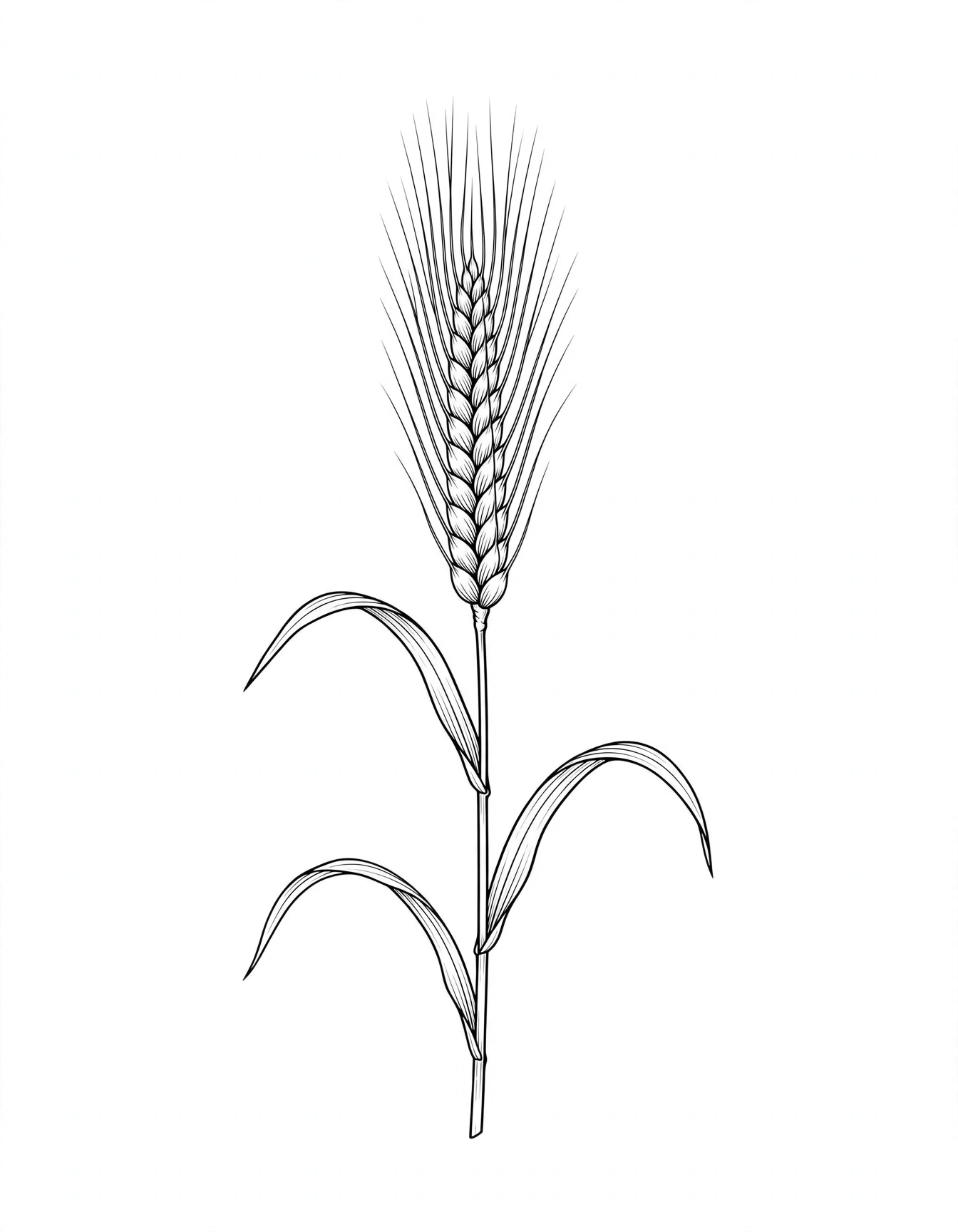
What is hard red wheat?
Hard red wheat is one of the six classes of wheat grown in the United States, and between its two types it is the backbone of American bread flour.
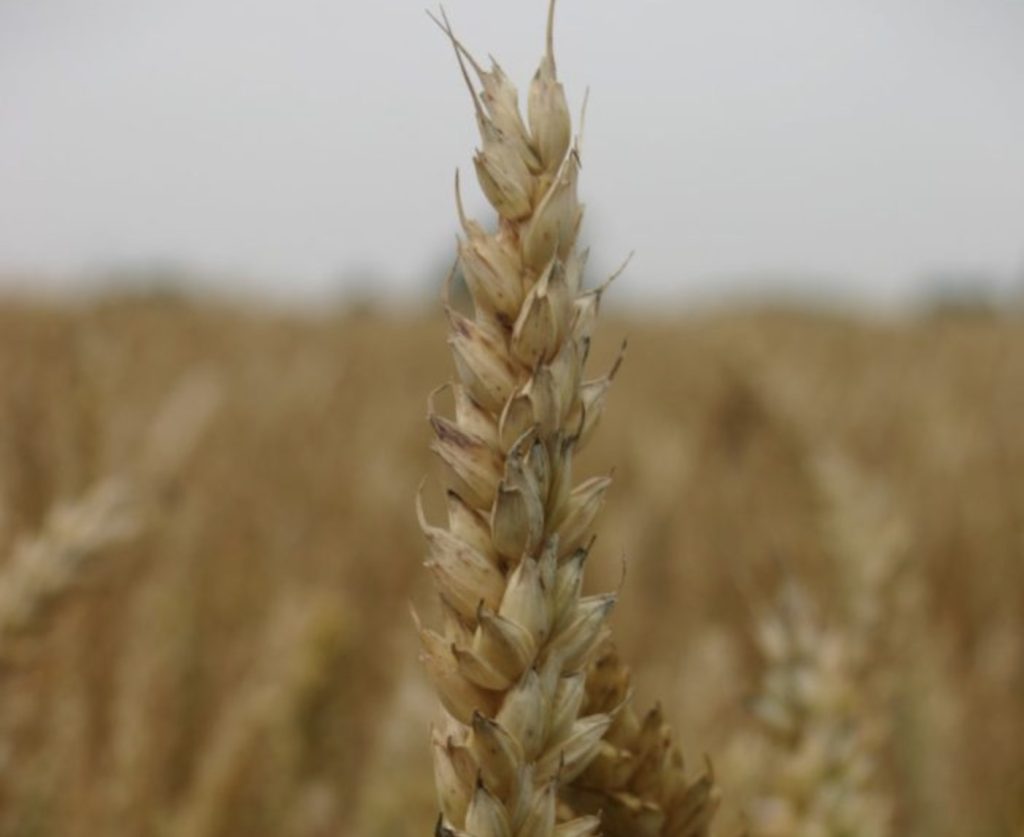
Just like hard white, its name tells you the two things that matter:
- “Hard” means a hard, high-protein kernel. Hard red wheats typically run about 12–15% protein — the spring type sits at the top of that range — and protein builds gluten, the stretchy net that traps air and gives yeast bread its rise and chew.
- “Red” is the color of the bran, the berry’s outer coat: a warm reddish-brown. That red bran carries more of the natural compounds that give whole wheat its deeper color and its slightly more assertive, almost nutty edge. That flavor is not a flaw — it’s this grain’s signature.
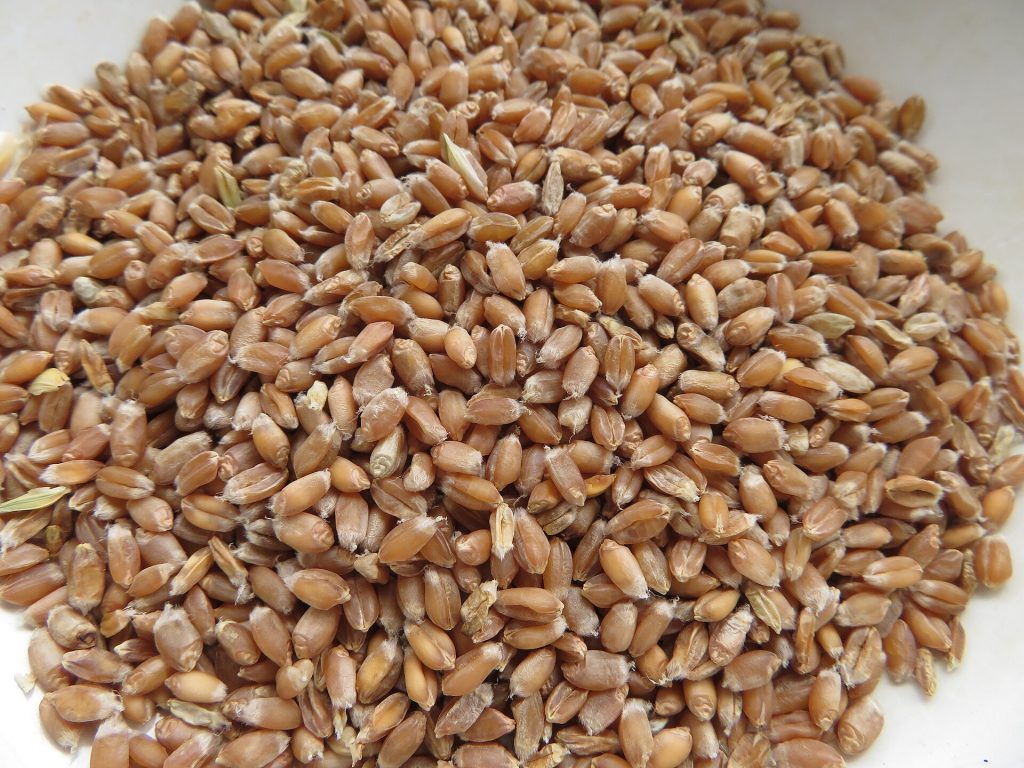
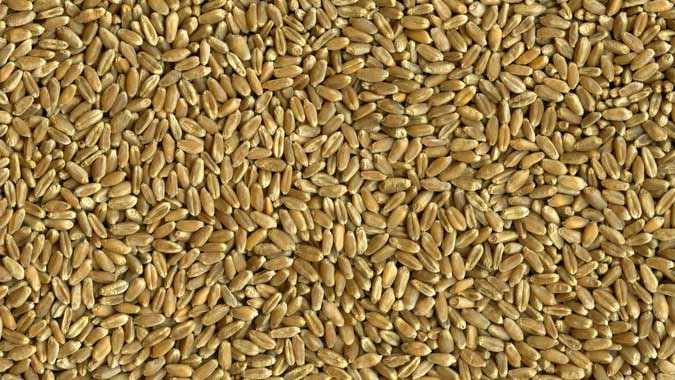
Hard red comes in two types, and home millers meet both:
- Hard red winter wheat — planted in the fall, it sleeps under the snow and is harvested in early summer. It runs a touch lower in protein and is the all-purpose one among the bread wheats.
- Hard red spring wheat — planted in spring and harvested in late summer. It is the highest-protein wheat class of all, prized for strong, elastic doughs.
Where does hard red wheat grow?
This is Plains wheat, through and through.
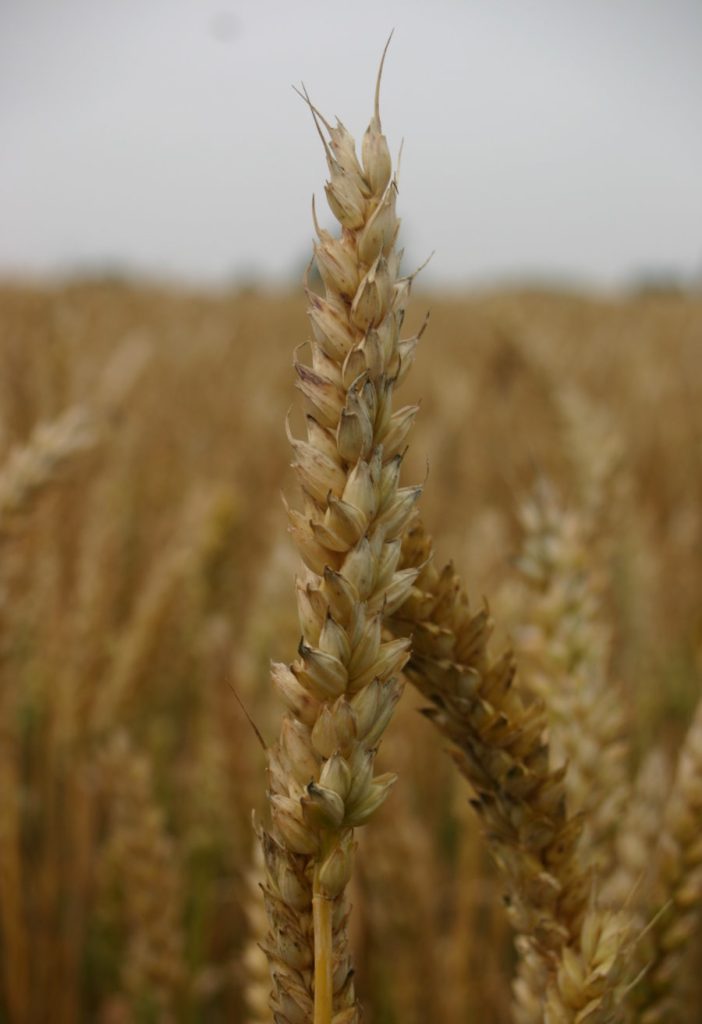
Hard red winter is the famous wheat of Kansas — the Wheat State — and it grows across Oklahoma, Texas, Nebraska, and Colorado, wherever hot summers and cold winters suit a fall-planted crop.
Hard red spring belongs to the northern Plains: North Dakota, Montana, South Dakota, and Minnesota, where winters are too severe for a fall-planted crop to survive, so the wheat goes in the ground in spring instead.
Between the two of them, hard red wheat covers more American wheat country than any other class — it’s the wheat that built the country’s bread-basket reputation.
How hard red wheat came to America
Hard red wheat is not native to this country. Its story here starts in the 1870s, when Mennonite families moved from Russia to the Kansas plains. They brought seed with them — a hard red winter wheat called Turkey Red, from the dry steppes where they had farmed. The soft wheats farmers already grew in the east did not like the plains: too dry, too cold in winter, too hot in summer. Turkey Red did. It was used to exactly that weather.
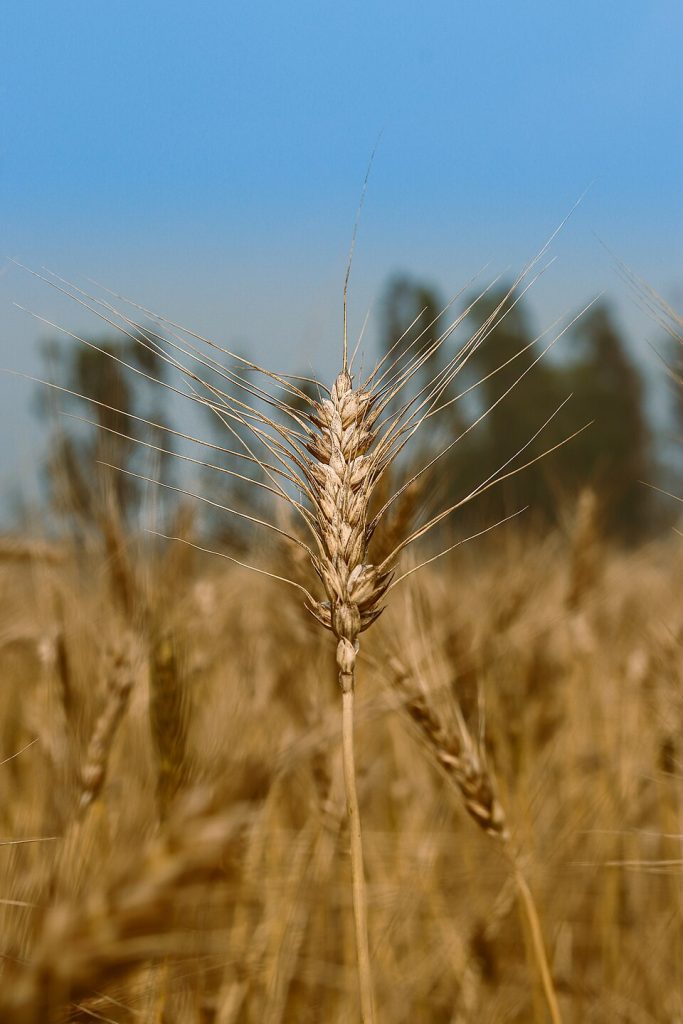
Within a few years, Kansas was growing it across the state, and hard red winter wheat spread through the plains states. It is a big reason Kansas became known as the Wheat State, and most hard red winter wheat grown today traces back to that Turkey Red seed.
The spring kind has its own story. Red Fife, a hard red spring wheat, was first grown in Canada in the 1840s and spread south into Minnesota and the Dakotas, where winters are too cold for winter wheat. It became the wheat the northern mills wanted for bread flour.
So the two hard reds are both immigrant grains — one carried to Kansas in the 1870s, one brought down from Canada — and between them, they turned the plains into America’s bread basket.
The nutrition: the whole berry, nothing held back
Milled fresh at home, hard red wheat keeps everything the berry grew with — bran, germ, and endosperm, all of it in your flour.
Per 100 grams of whole hard red wheat berries (about ½ cup plus a spoonful), USDA figures give roughly:
- About 330–345 calories
- 12–15 g protein (spring wheat at the high end) — the highest of the wheat classes
- About 12 g fiber — close to half of what most of us need in a day
- Iron, potassium, magnesium, phosphorus, zinc, and manganese
- B vitamins — thiamin, niacin, B6, and folate, concentrated in the bran and germ
- The germ’s natural vitamin E and healthy oils — the part that only stays fresh when you mill close to baking, which is the whole point of milling at home
In kitchen terms, a quarter cup of dry berries (about 43 g) gives you roughly 140 calories, 5–6 grams of protein, and about 5 grams of fiber.
And here is the honest difference freshness makes: a bag of store-bought whole wheat flour was milled weeks or months before you open it, and all that time sitting in warehouses and on shelves, the germ’s oils oxidize and a significant share of the nutrition fades. Mill the same berry and use the flour soon after milling — the same day or the next day — and you keep what it grew with. That slightly dusty, bitter taste many people think “whole wheat just tastes like” is often just old flour.
What is hard red wheat best for?
That protein and that hearty flavor point hard red at the bakes that want structure and character:
- Hearty sandwich bread and farmhouse loaves — the classic use; a deep-gold, full-flavored crumb
- Crusty artisan-style breads — especially hard red spring, whose strong gluten holds a bold rise
- Pizza dough and bagels — chew comes from protein, and this grain has it
- Dinner rolls and whole wheat buns — for anyone who wants the wheat flavor front and center
- Blending — my favorite trick: mill hard red half-and-half with hard white when you want more flavor than white gives but a lighter loaf than red alone
Hard red vs. hard white wheat: what’s the real difference?
Same strength, different personality:
- Flavor: hard white is mild and slightly sweet; hard red is deeper and heartier, with that classic whole wheat edge from its red bran.
- Color: hard white bakes up light gold; hard red gives a warmer, russet-brown crumb.
- Protein: close cousins — hard red spring can run a little higher, hard white a little gentler, with plenty of overlap.
- Best first grain? If your family is new to whole grain, start with hard white and blend red in as tastes adjust. If you already love whole wheat flavor, hard red will feel like an old friend from the first loaf.
Neither one is “better.” They’re two ends of the same pantry shelf, and most home millers I know end up keeping both.
Try hard red in these bakes
In these three recipes, you can use hard red instead of hard white, or a mix of the two. But these three recipes each name hard red wheat as a swap or an option, so they’re an honest place to try it:
- Homemade Yeast Bread with Freshly Milled Flour — the tips section explains that hard red wheat adds a richer, nuttier whole-wheat taste than hard white.
- Freshly Milled Flour Bread (Zojirushi Bread Machine Recipe) — its FAQ says hard red wheat works in place of the usual grains, though hydration may need adjusting.
- Waffles with Freshly Milled Flour — its grain comparison notes that hard red provides good structure, with a stronger, nuttier flavor and darker color.
Start with one of those, mill it fresh, and let your own family’s taste decide how big a place hard red earns in your pantry.
I buy my wheat berries from Grand Teton Ancient Grains — they’re my regular source. Start with a small bag, mill a test loaf, and taste before you stock up.
👉 Organic Hard Red Wheat Berries — Palouse Brand, 25 lb
👉 Zojirushi Virtuoso Plus Bread Machine
👉 NutriMill Harvest Grain Mill
👉 NutriMill Artiste Mixer
As an Amazon Associate I earn from qualifying purchases
Baking with freshly milled flour?
If you’d love to go deeper, I have my Freshly Milled Flour Basics mini-course — 8 lessons where I cover the basics, step by step: how to choose a mill, where to buy berries, getting to know the grains, the difference between hard and soft wheat, and which grain to use for which baking, how hydration differs between store-bought flour and freshly milled flour, and a step-by-step video guide to making waffles.
👉 Learn more about the mini-course here: https://eva-riazati-food-photography.myshopify.com/products/freshly-milled-flour-basics-mini-course
Freshly Milled Flour Basics — Mini-Course

Frequently asked questions
Is hard red wheat the same as regular whole wheat flour at the store?
Very close in origin — most store whole wheat flour is milled from hard red wheat. The difference with freshly milled hard red flour is freshness: I mill the whole berry right before baking, so the flavor is fuller and never dusty or bitter the way an old bag can be.
Why does hard red taste stronger than hard white?
The red bran. Its natural compounds carry the deeper color and the heartier, slightly more assertive edge. Same berry structure, different coat.
Which is better for beginners, hard red or hard white?
Hard white, for most families — it’s milder, so the first loaves taste closest to what people expect. Hard red is the wonderful second step, or a blend of the two.
Can I bake pastries with hard red wheat?
It’s not its best job — high protein makes tender cakes and pastries tougher. That’s what soft white wheat is for, and it’s the earlier post in this series.
Is hard red wheat gluten-free?
No. It’s wheat, with strong gluten — that’s exactly why it makes such good bread. It is not suitable for anyone with celiac disease or a wheat allergy.
Do I need a grain mill to use it?
For freshly milled flour, yes — a home grain mill is the tool. It’s the one appliance that changed my baking the most.
Tell me in the comments: team hearty hard red, or team mild hard white?
Happy baking! 🌾
Start with one recipe on the blog and see how it tastes. That’s how I started, too.
Leave a Reply