
Teff may be the smallest grain in this whole series — so small that a single kernel is hard to pick up with your fingers. You need about 150 teff seeds to match the weight of one wheat berry. And yet this tiny grain has fed Ethiopia for thousands of years, and it is the flour behind injera, the soft, spongy flatbread at the center of the Ethiopian table.
Teff grows in the highlands of Ethiopia and Eritrea, it comes in soft colors from ivory to deep brown, and it is naturally gluten-free — whether you buy it as the whole grain or as flour. Let me introduce you to it properly — starting with where it has been.
What is teff, exactly?
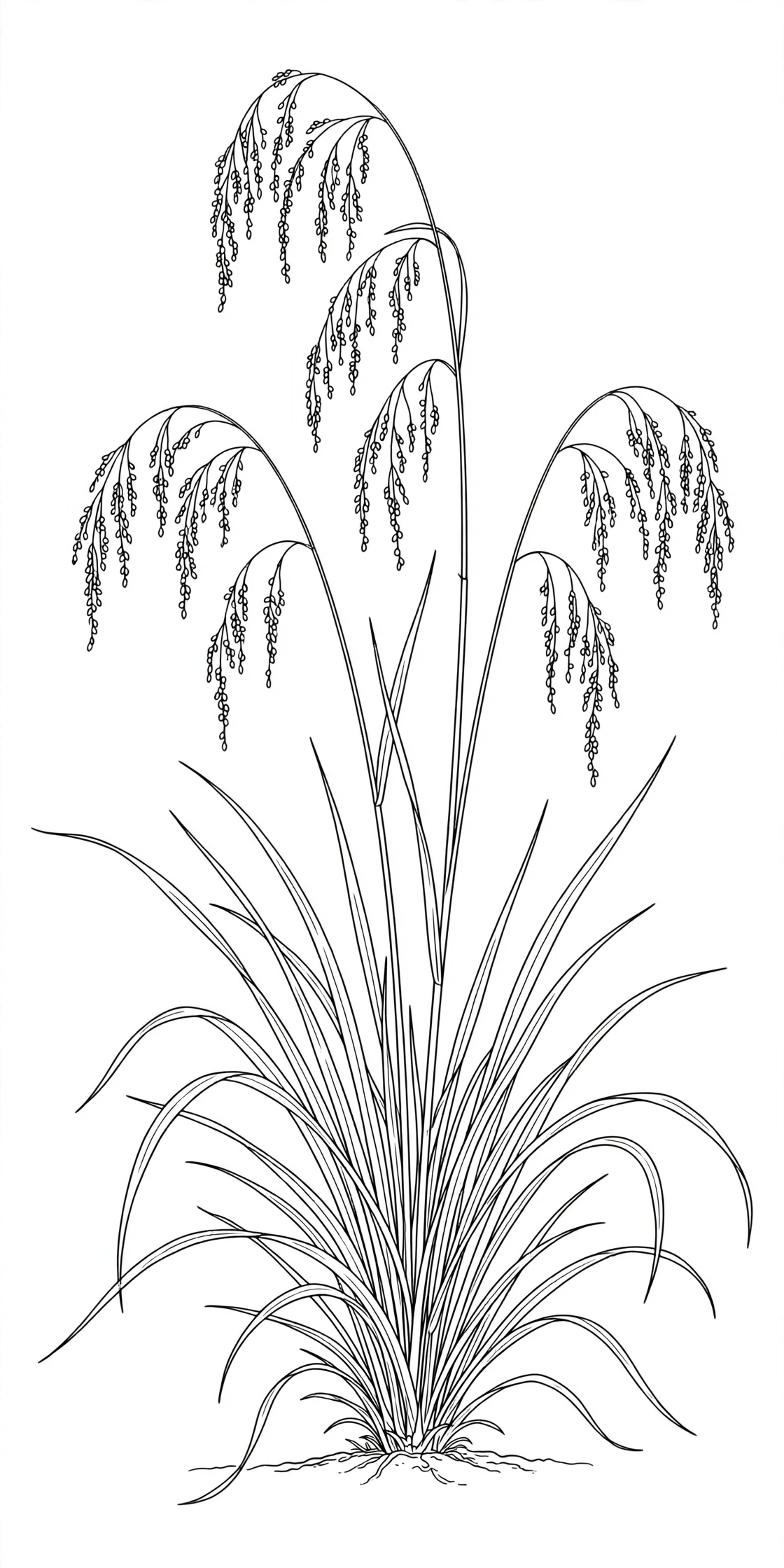
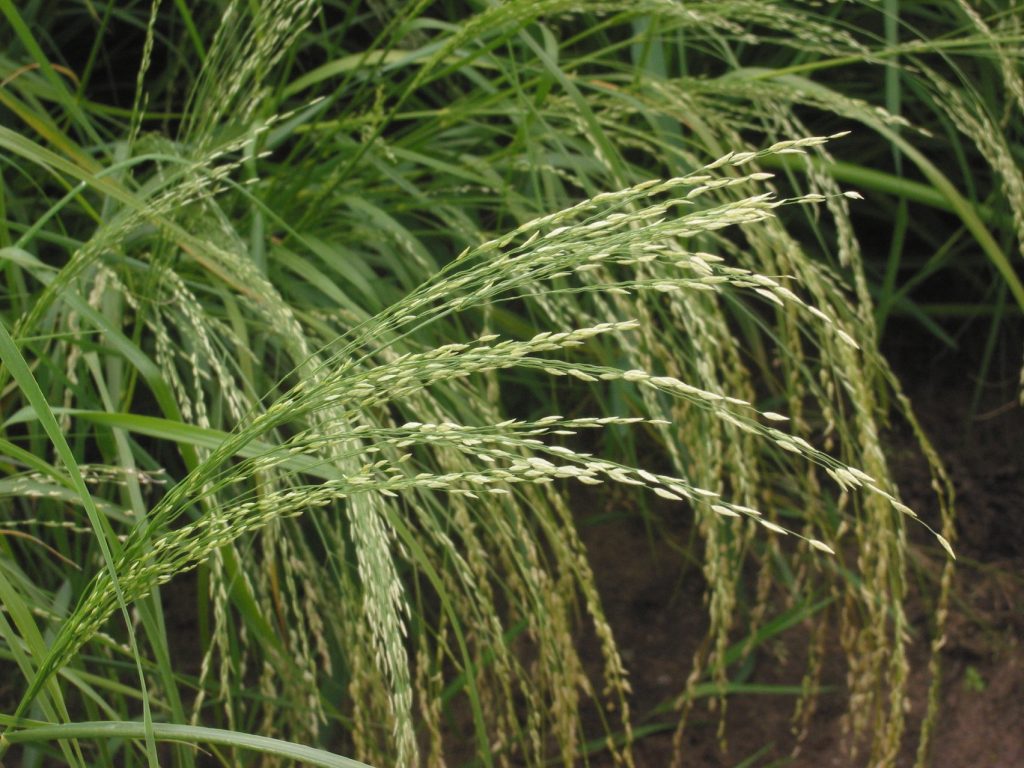
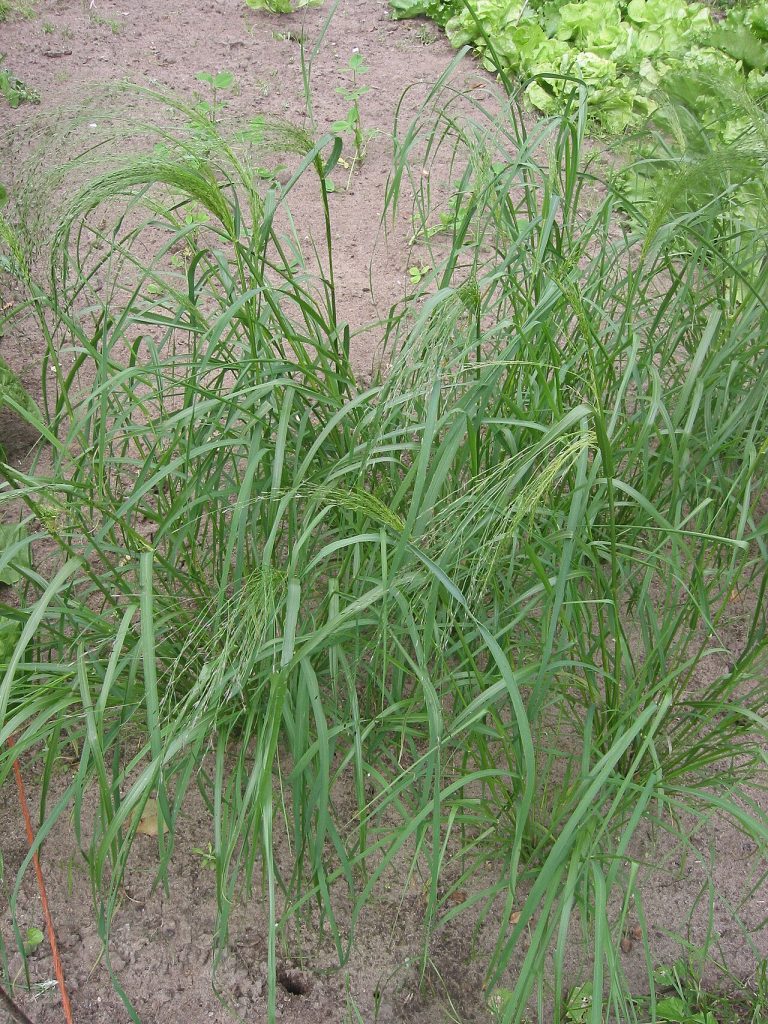
Teff (Eragrostis tef) is a small-seeded cereal grain in the grass family — a relative of millet and sorghum, and not related to wheat. The plant is fine and slender, with thin stems and loose, open heads. When those heads ripen, they carry hundreds of seeds so small they pour almost like sand.
Teff is sold by color, and the color changes the flavor a little:
- Ivory or white teff — the mildest kind, and the traditional first choice for injera in Ethiopia
- Red and brown teff — a little heartier and earthier in flavor, everyday teff for many families
- Mixed teff — colors blended together, common and practical
One size fact explains a lot about teff in the kitchen: because the grains are so tiny, teff is almost always used whole. There is no practical way to peel the bran and germ off a seed that small at home or in a factory — so teff flour is whole-grain flour by nature, with everything the seed has still in it.
A grain with a very long history
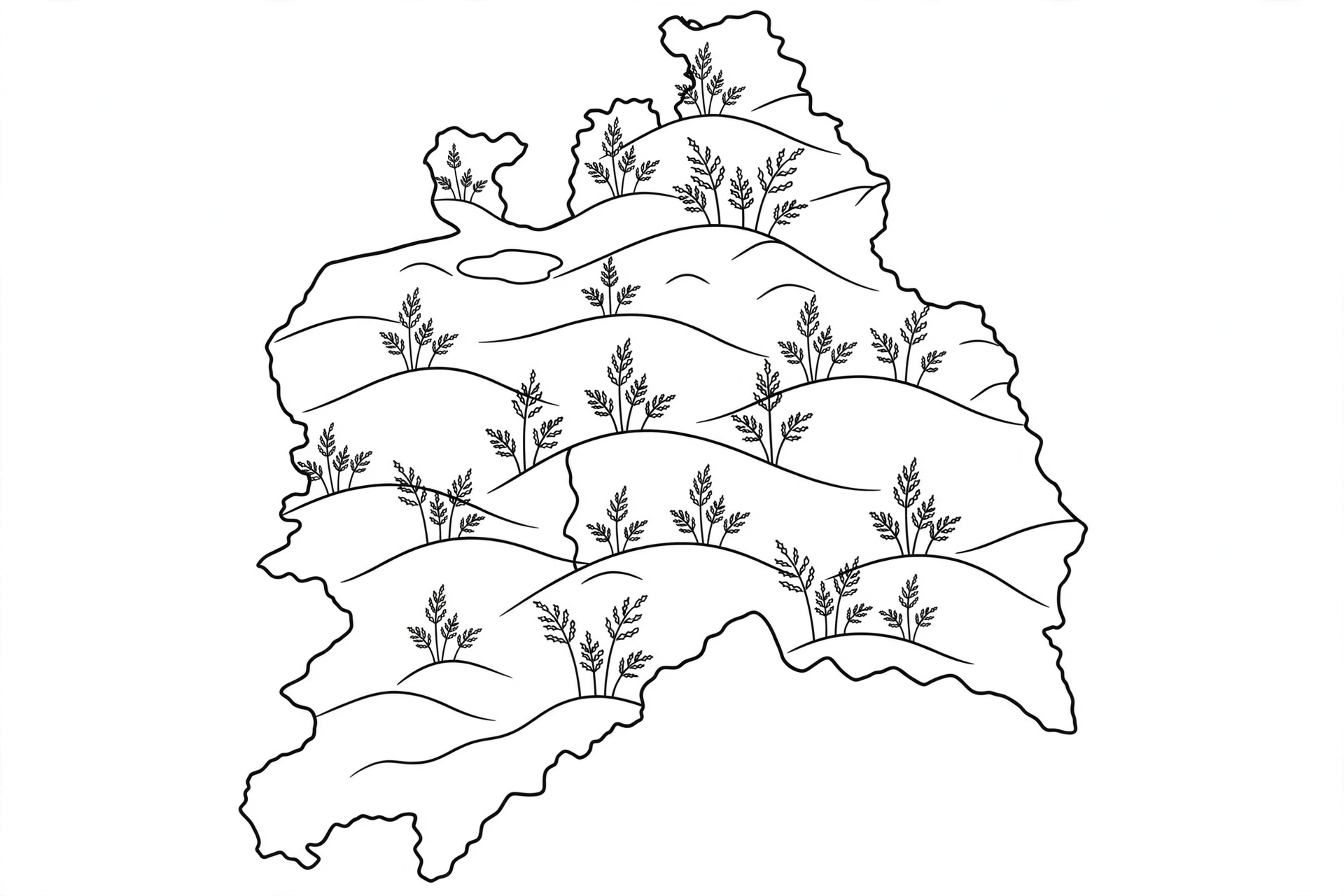
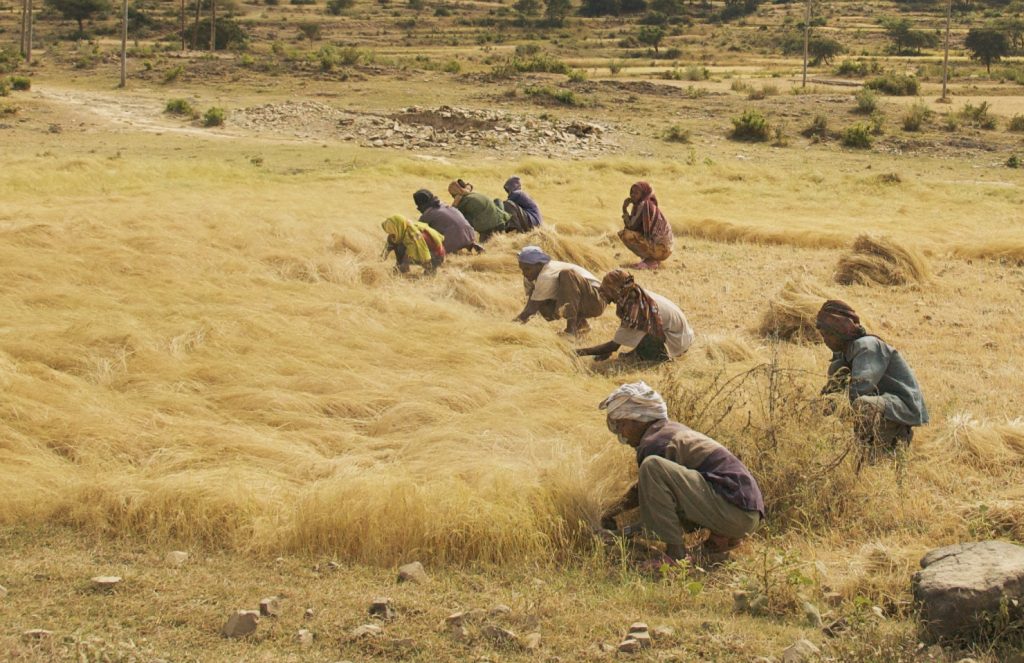
Teff was first farmed in the highlands of present-day Ethiopia and Eritrea thousands of years ago — estimates commonly place its early farming somewhere between about 4,000 and 6,000 years ago. It grew up in high country, on hillsides where the air is cooler and the rainy season is short, and it fits that land well: teff grows quickly, it can handle both dry spells and wet, heavy soil better than most grains, and its tiny seeds store well and go a long way — a small handful plants a whole field.
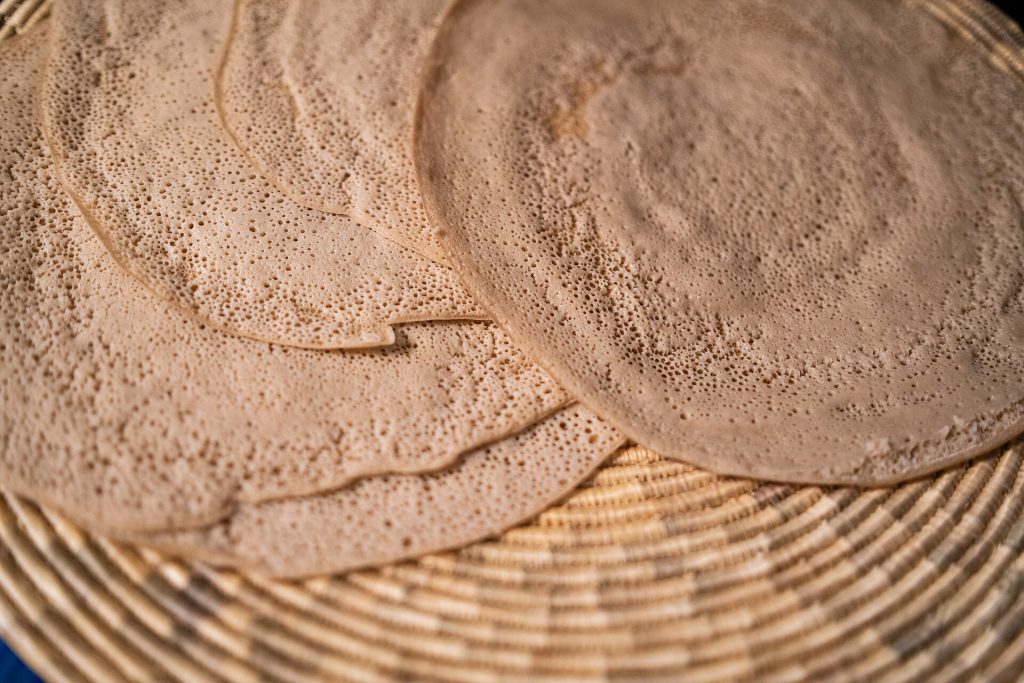
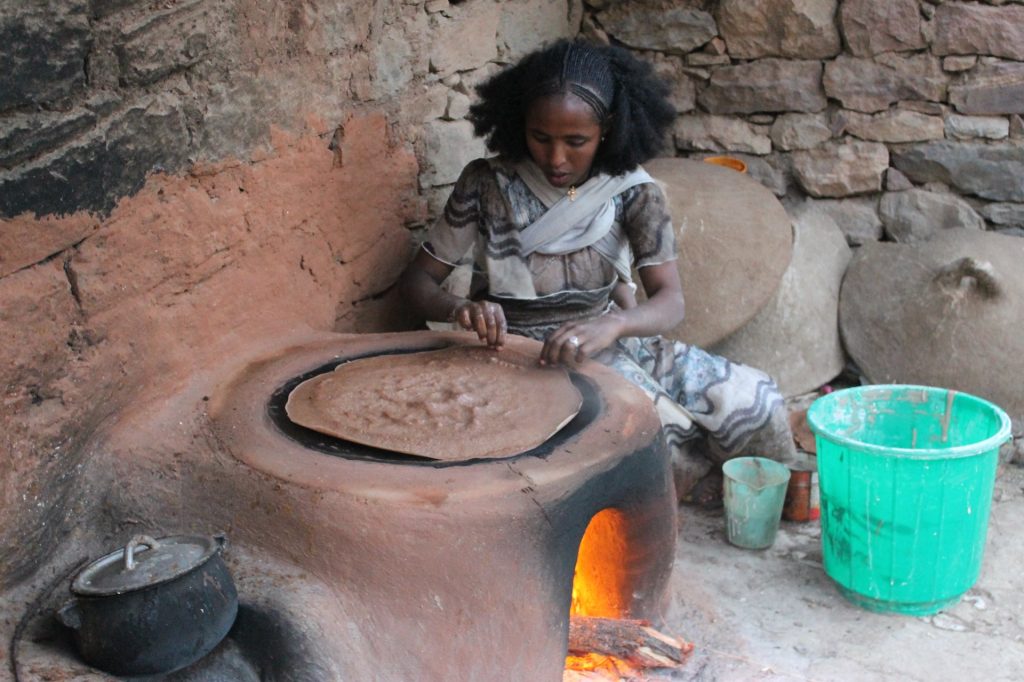
For thousands of years, teff has been Ethiopia’s foundation grain. Ground into flour and mixed into a fermented batter, it becomes injera — a large, soft, spongy flatbread cooked on a wide flat griddle. Injera is more than bread at an Ethiopian meal: it lines the platter, the food is served on top of it, and pieces are torn off and used to scoop up each bite. Teff is also cooked into porridge.
Teff stayed mostly in Ethiopia and Eritrea for most of its long life. Only in recent decades has it traveled widely — farmers now grow it in the United States, including in Idaho — and teff flour has found a second home in gluten-free baking.
Whole teff: the part to check before you buy
Because teff is used whole, buying it is simpler than most grains in this series — there is no hulled or pearled version to watch for. The checks are different:
- Grain or flour? Teff is sold both ways. The whole grain is for cooking — and for milling at home, if your mill is made for seeds this tiny. The flour is for injera and baking. They are not interchangeable in a recipe, so check the bag.
- Color. Ivory for the mildest flavor, brown or red for a heartier one.
- Clean, even seeds. The grain should pour freely, with no grit — teff grows close to the ground, so a well-cleaned bag matters.
Teff nutrition: a lot in a very small seed
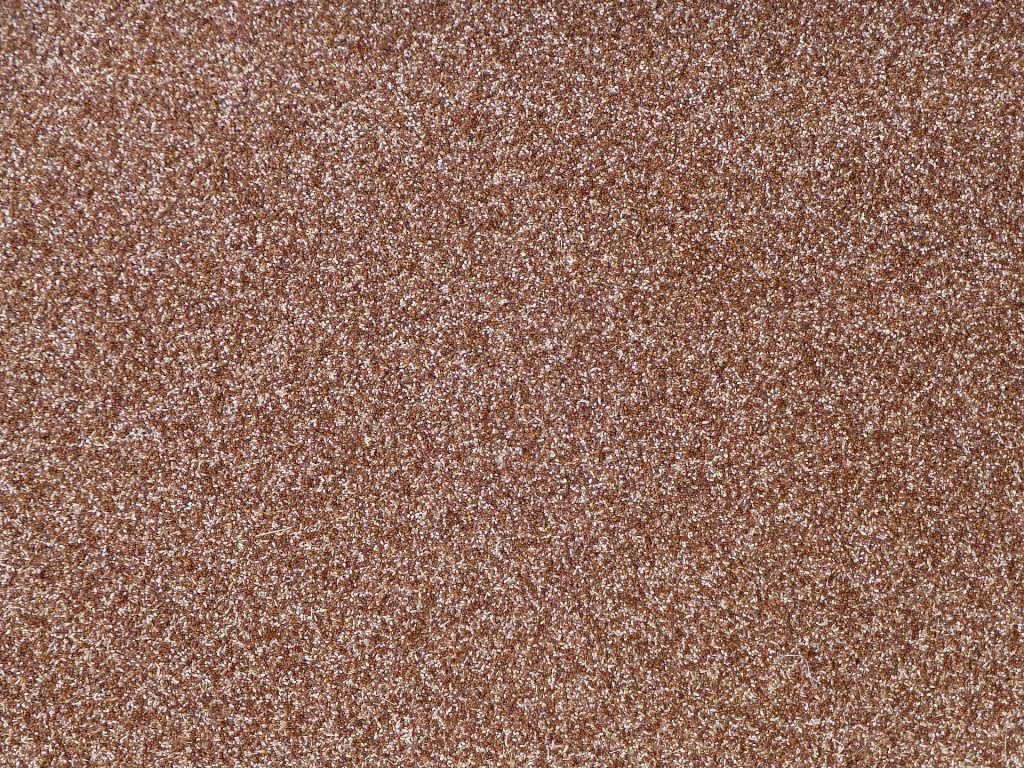
Teff is a steady, filling grain, close in numbers to the other whole grains in this series — with a couple of points that set it apart. Per 100 grams of whole teff grain, you get roughly:
- About 360 calories
- About 13 g protein
- Good fiber
- Very little fat
- Notable amounts of iron and calcium for a grain, along with magnesium, phosphorus, and B vitamins
And like millet and sorghum, teff sets itself apart on gluten: it has none. Teff is naturally gluten-free — it is not related to wheat, barley, or rye, and it does not contain their gluten proteins. That is a big part of why teff flour has become a favorite in gluten-free baking. The same kitchen caution applies here too: grains can pick up wheat dust in shared storage or shared equipment, so if you bake for someone with celiac disease, buy teff that is labeled gluten-free and keep it in its own clean container.
And the usual rule of this series still applies: because teff flour is whole-grain by nature, nothing is polished away before it reaches your kitchen.
Milling teff at home
Teff is the one grain in this series where milling needs an honest note first: the seeds are so small that not every home mill handles teff well — tiny seeds can slip through settings made for wheat berries, and some mills are not made for grains this fine. So check your mill’s manual for teff by name before you pour any in, and follow what it says.
A few simple notes for mills that do handle it:
- Fine seeds, fine flour. Teff mills into a soft, fine flour, ivory to brown depending on the color you bought.
- If you use an impact mill, turn the mill on before you pour the grain in. The mill should be running first, every time — that goes for teff just like wheat, barley, millet, and sorghum, if your mill is rated for it.
- Use it fresh. Same rule as every grain here: mill what you need, when you need it. Whole teff keeps well in a sealed container; the flour is at its best fresh.
Cooking and baking with teff
Cooked whole, teff is soft and small — it makes a smooth porridge, and cooked with less water it works as a tiny, mild side grain. Most of its fame, though, is as flour.
Teff flour behaves like the other no-gluten flours in this series — with no gluten, it cannot build the stretchy network a tall yeast loaf needs. What it does well:
- Injera — teff’s oldest and most loved job: a fermented batter poured thin on a hot griddle, soft and spongy, with a gentle tang from the ferment
- Pancakes and waffles — mild flavor, tender crumb, pretty color from brown teff
- Muffins and quick breads — soft, with a gentle, slightly sweet flavor
- As part of a blend — in gluten-free baking, teff flour is often a base flour in the blend, paired with other flours and a binder so the bake holds together
A note on injera outside Ethiopia: many bakeries and home bakers blend teff flour with wheat flour for injera, which makes the batter easier to handle — but traditional injera is 100% teff, and a 100% teff version is also the gluten-free one. If gluten-free matters at your table, check which version you are buying or making.
Baking with freshly milled flour?
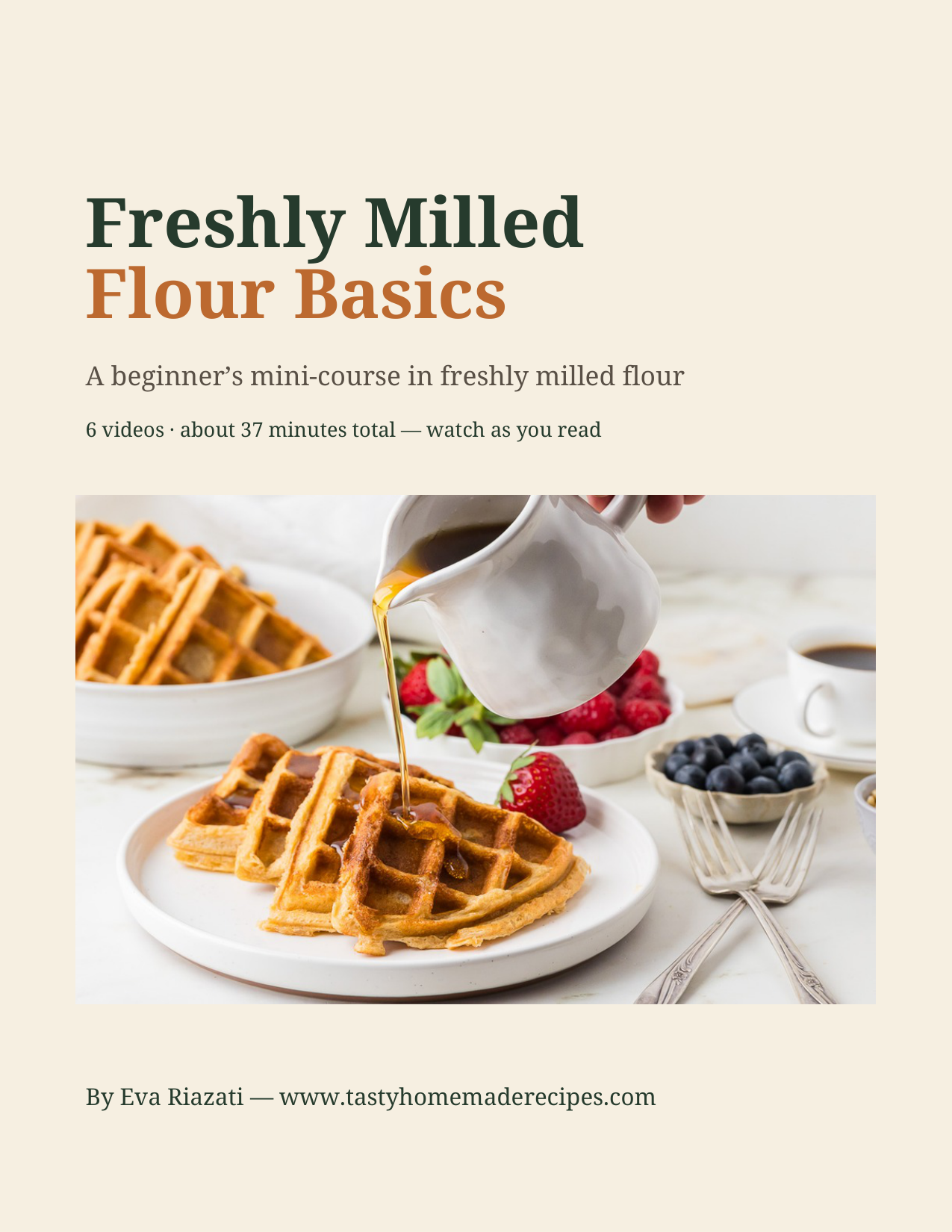
If you’d love to go deeper, I have my Freshly Milled Flour Basics mini-course — 8 lessons where I cover the basics, step by step: how to choose a mill, where to buy berries, getting to know the grains, the difference between hard and soft wheat, and which grain to use for which baking, how hydration differs between store-bought flour and freshly milled flour, and a step-by-step video guide to making waffles.
👉 https://eva-riazati-food-photography.myshopify.com/products/freshly-milled-flour-basics-mini-course
Freshly Milled Flour Basics — Mini-Course ($27)
Where to buy teff, and how to store it
Look wherever you buy wheat berries for milling — grain suppliers, co-ops, and health-food stores carry whole teff and teff flour — and in the gluten-free baking aisle, where teff flour is now common. Ethiopian and Eritrean grocery stores are another good source, for both the grain and the flour. Check whether the bag is grain or flour before you buy, and choose the color you want.
Teff stores the way all whole grains do: sealed in an airtight container, somewhere cool and dry. The whole grain keeps well for a long time just like that — it’s the flour that wants to be fresh.
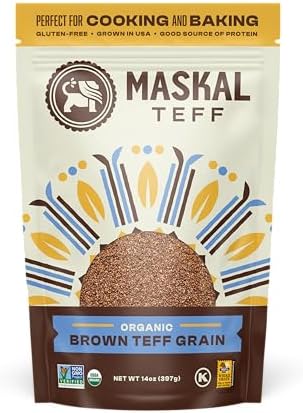
👉 Maskal Teff organic brown teff grain
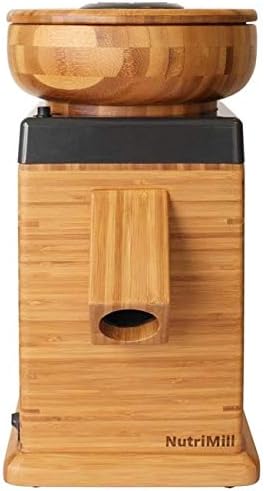
👉 NutriMill Harvest grain mill
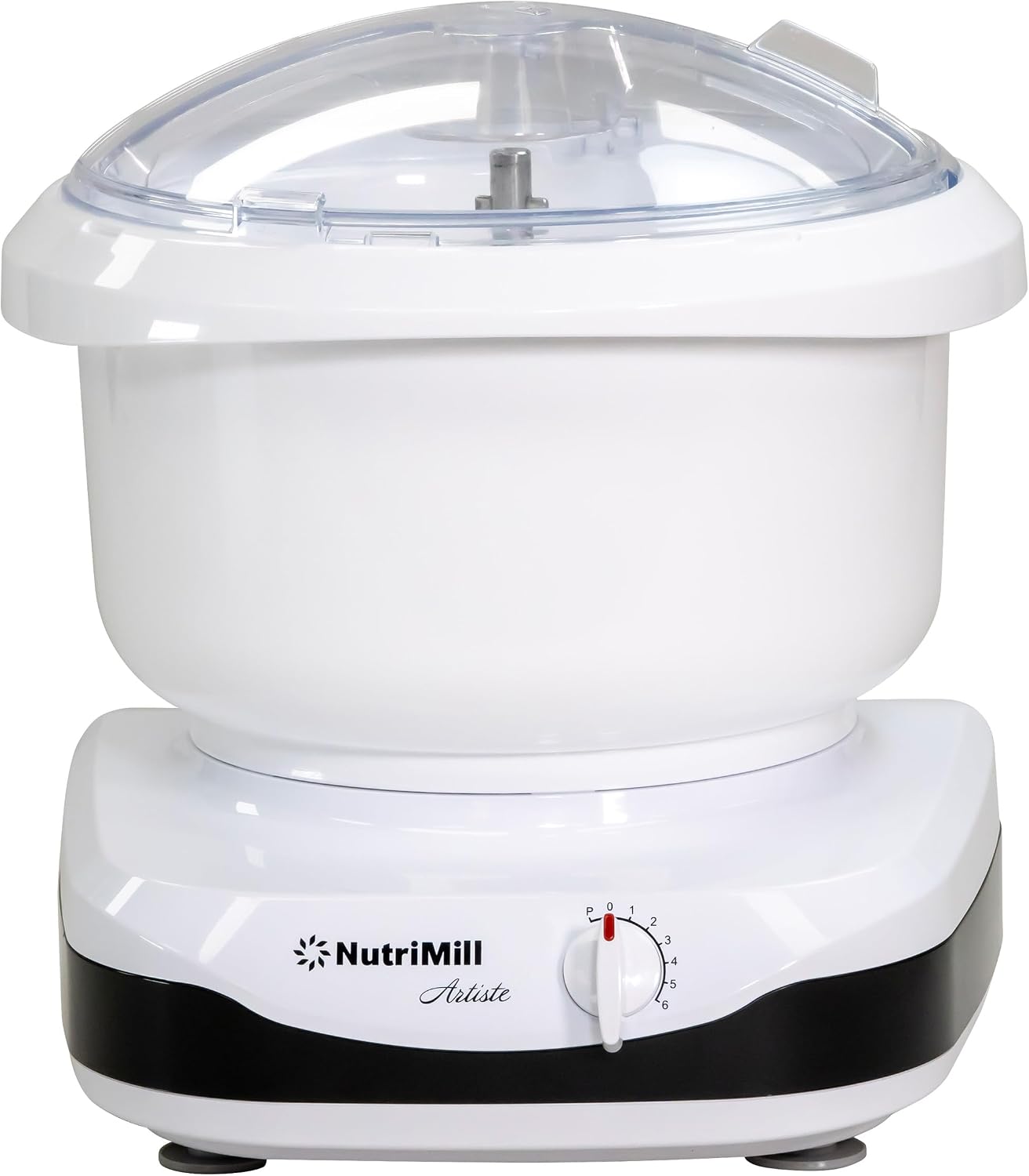
As an Amazon Associate I earn from qualifying purchases.
Frequently asked questions
Is teff gluten-free?
Yes. Teff is naturally gluten-free and is not related to wheat, barley, or rye. If you are buying for someone with celiac disease, choose a bag labeled gluten-free, since grains can pick up wheat dust in shared storage or equipment — and check injera, which is sometimes blended with wheat flour.
What is injera?
Injera is Ethiopia’s soft, spongy flatbread, made from a fermented teff batter poured thin on a wide, hot griddle. It lines the platter at a meal, the food is served on top, and pieces are torn off to scoop up each bite.
Can I mill teff in my regular home mill?
Check your manual first. Teff seeds are extremely small — far smaller than wheat berries — and not every home mill is made for grains this fine. If your mill is rated for teff, switch an impact mill on before adding the grain, the same as with any grain.
Can I bake a loaf with only teff flour?
Expect a flat, crumbly result in a yeast loaf — with no gluten, teff flour can’t trap air the way wheat does. Teff shines in injera and flatbreads, pancakes, and muffins, and as a base flour in gluten-free blends with a binder.
What does teff taste like?
Mild and gentle. Ivory teff is the mildest, almost neutral; red and brown teff are a little heartier and earthier, with a gentle sweetness. In injera, the fermented batter adds a soft tang.
Tell me in the comments: have you met teff in injera at an Ethiopian restaurant — or is this tiny grain new to you?
Happy baking! 🌾
Leave a Reply